

The silent revenue killers in retail
Four invisible barriers costing you incremental spend and why most retailers never see them.
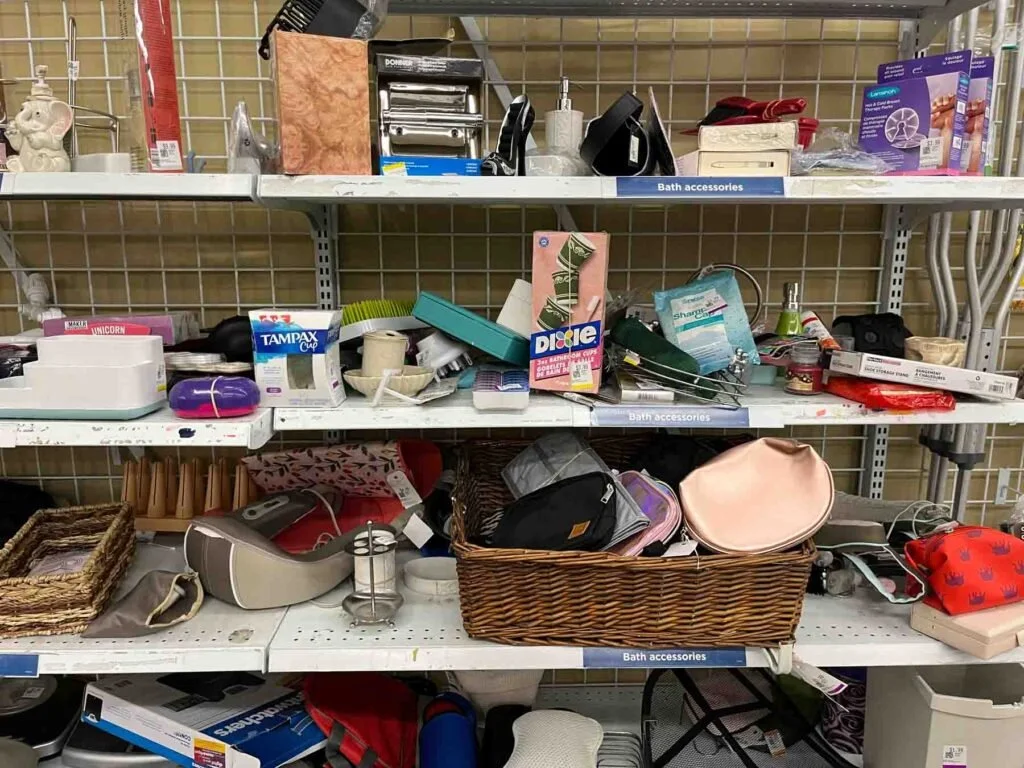
Most retailers are optimising the wrong things
They refine promotions. Adjust pricing. Chase footfall. All visible levers. All measurable. All fought over in boardrooms.
Meanwhile, invisible frictions quietly suppress incremental spend at every touchpoint. The money isn't lost at the till. It's lost in the moments before shoppers ever reach it.
Working with retailers including Co-op, we've seen the same patterns repeatedly. Small, silent barriers — behavioural, not operational — that kill purchases before they happen. Most retailers have no lens to see where they sit.
Here are four we find in almost every store:
1 ) Baskets: Permission granted or denied
The basket isn't a container. It's permission.
When shoppers can't see a basket, the brain does a rapid calculation. Two hands. Three items. The mental shopping list gets edited before a single product is seen.
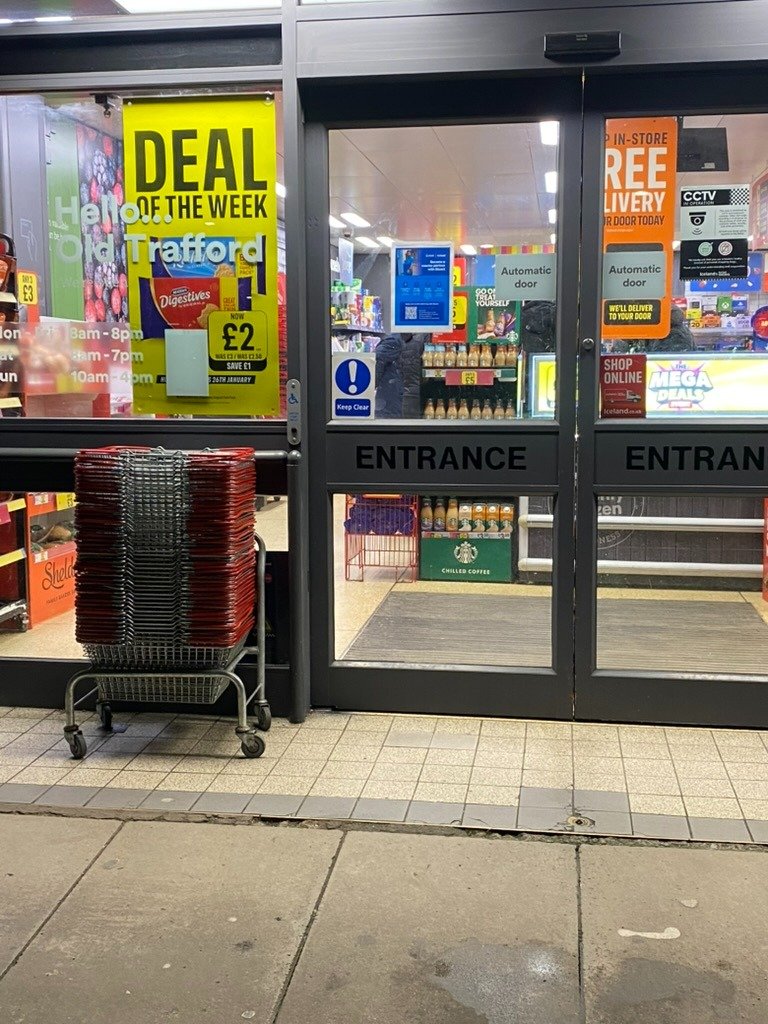
Research shows basket visibility drives up to 25% higher spend. Yet we consistently see baskets tucked past the entrance, nested in tight stacks, or positioned where operational logic dictates, near exits for returns, rather than where behavioural salience demands.
Visible baskets within the first three steps change the entire shop. They signal capacity. They expand the list before it's been written.
The retailer with visible baskets gets the bigger basket. The one with hidden baskets never knows what they lost.
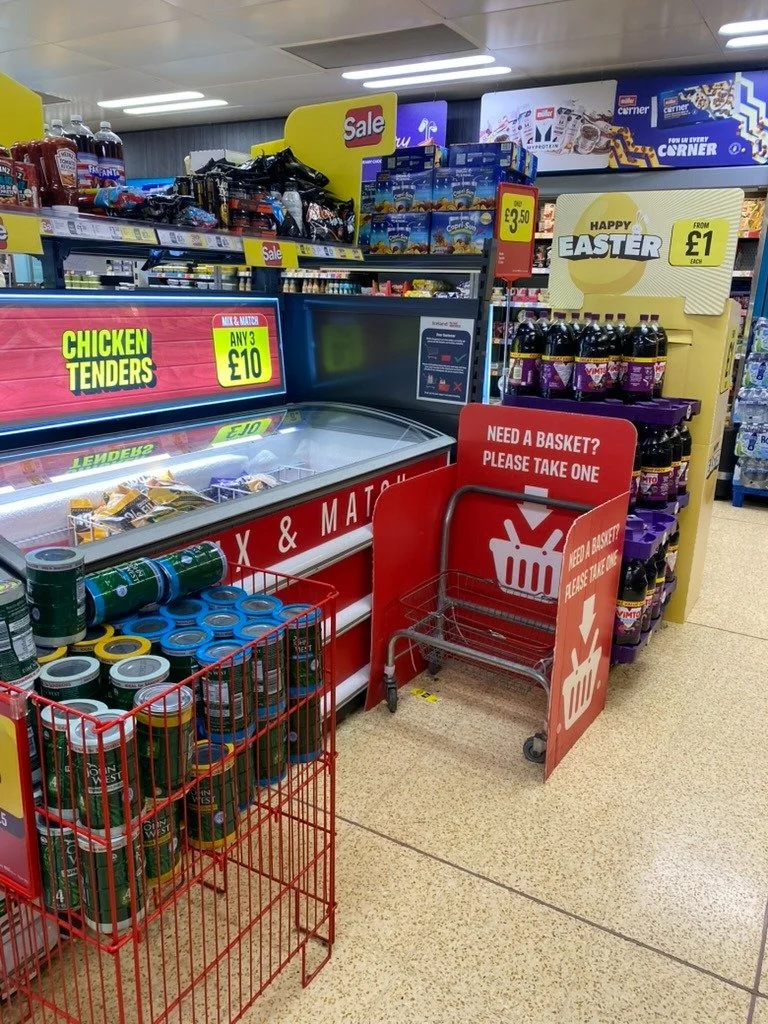
2 ) Entrances: Priming discovery or efficiency
The first five seconds programme the rest of the visit.
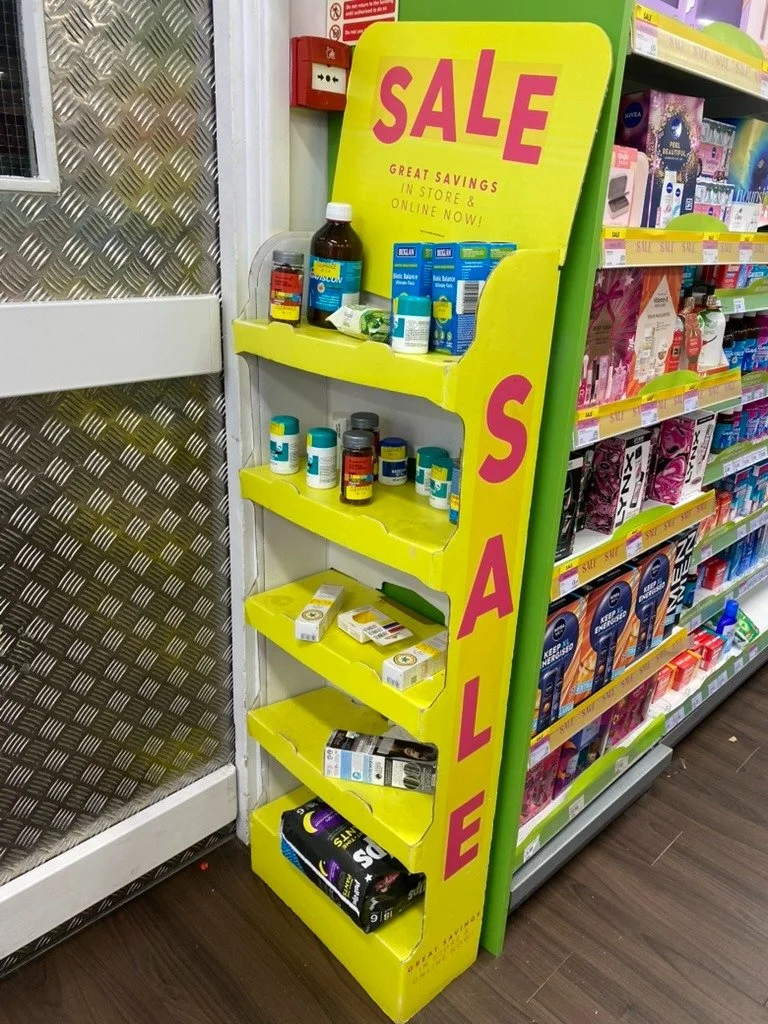
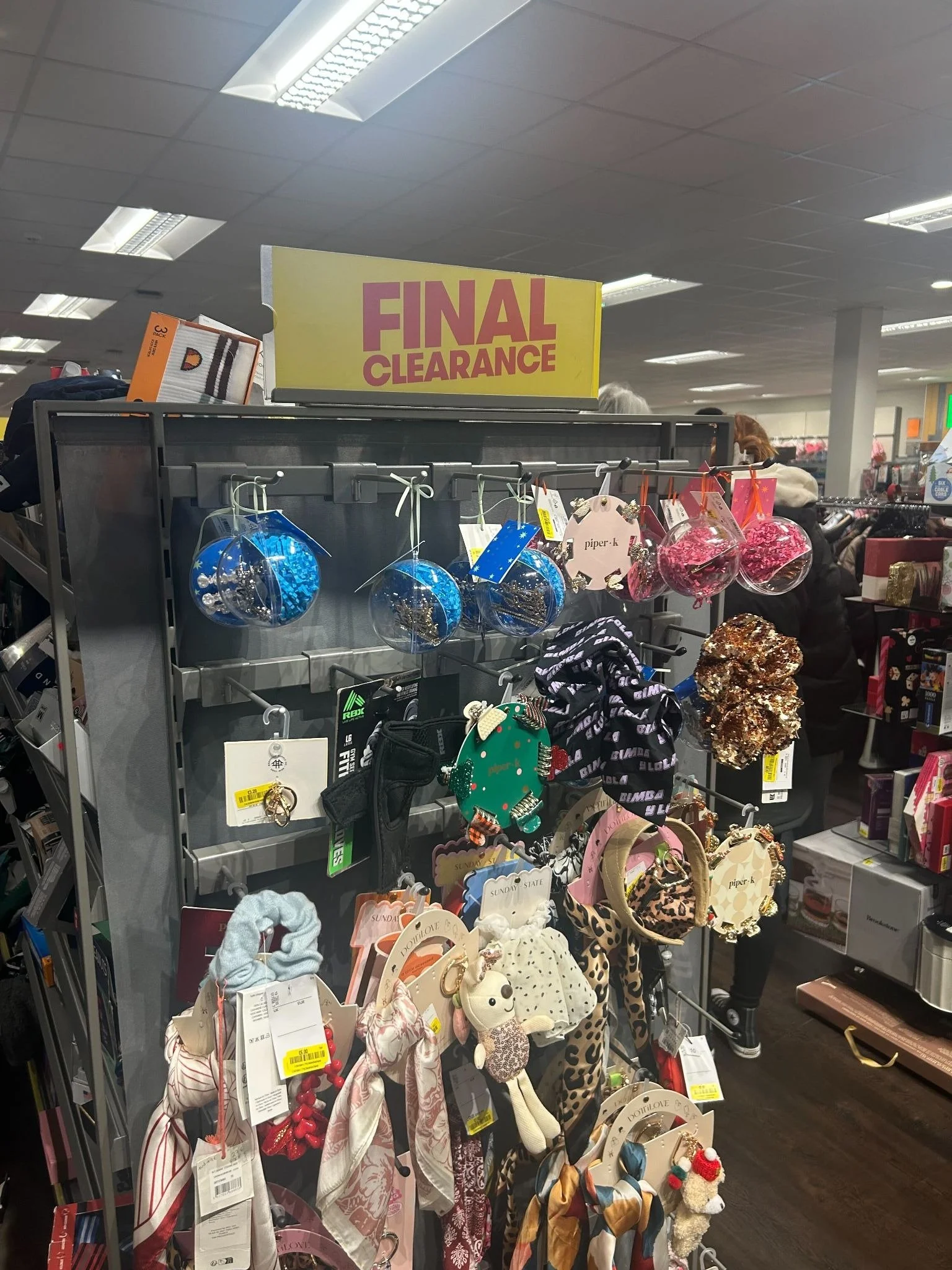
A cluttered entrance — promotional stacks, unclear sightlines, competing messages — triggers cognitive overload. The brain defaults to efficiency mode: get in, get out, stick to the list.
A clear entrance does the opposite. Space to breathe. A moment to transition. The mental shift from task to browse.
We've observed entrances so loaded with promotional chaos that shoppers physically sped up as they entered. The environment signalling urgency, not welcome.
Same products. Same prices. The retailer with the calm entrance turns task shoppers into browsers. The cluttered one never gets the chance.
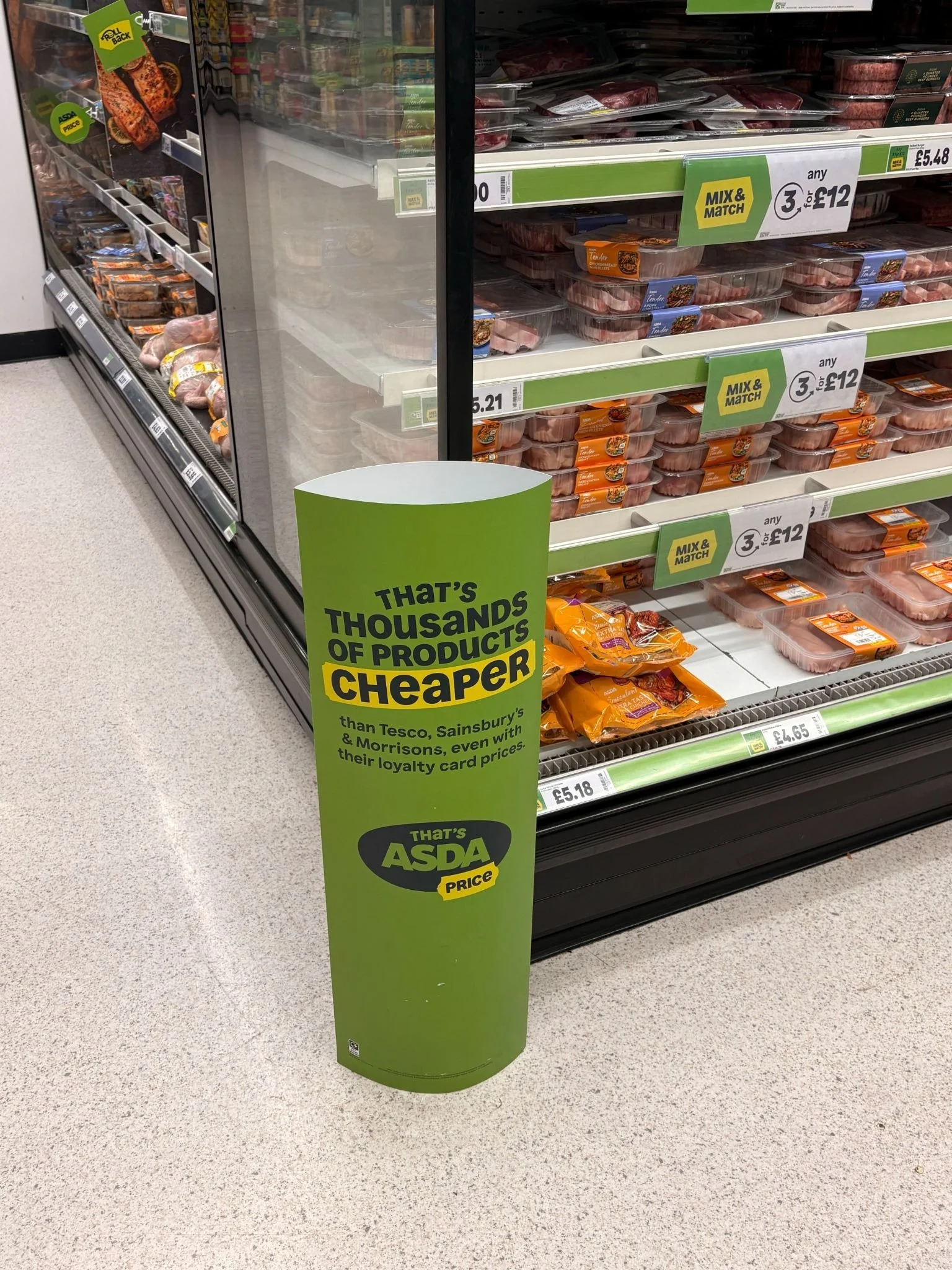
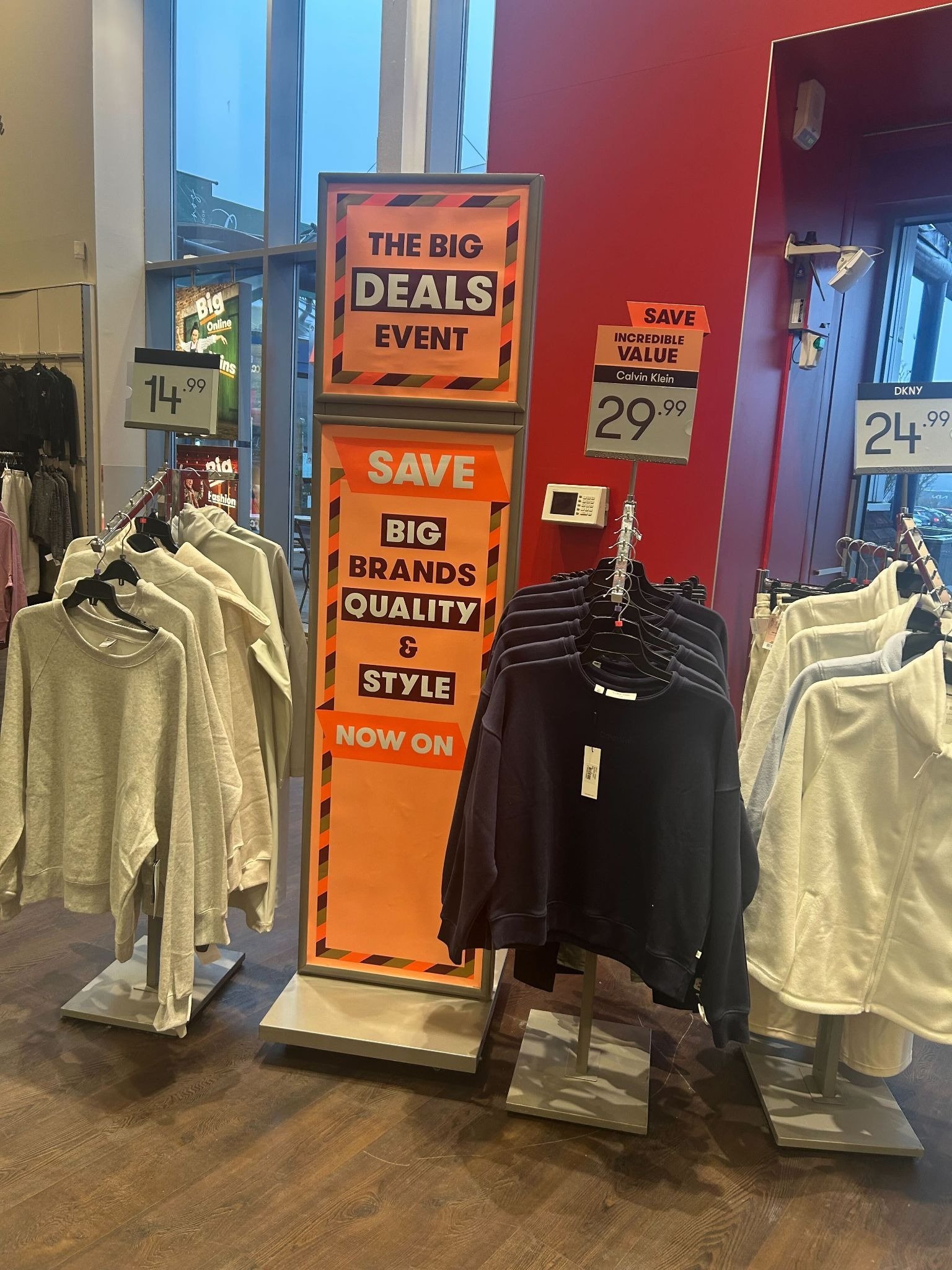
3 ) Navigation: Unlocking exploration or locking to the list
When wayfinding demands effort, browsing stops.
Shoppers who can't find what they came for don't explore what they didn't know they needed. Poor signage contrast, inconsistent category logic, competing visual hierarchies, each one adds cognitive load. And cognitive load has a cost.
The shopper who struggles to locate pasta doesn't notice the premium sauce adjacent to it. Navigation friction doesn't just slow the journey, it shrinks the basket.
Effortless wayfinding creates the cognitive space for "one more thing." Friction kills it before it starts.
4 ) Checkouts: Converting or flattening the final moment
The last moment of the shop isn't just where transactions complete. It's where decisions still happen.
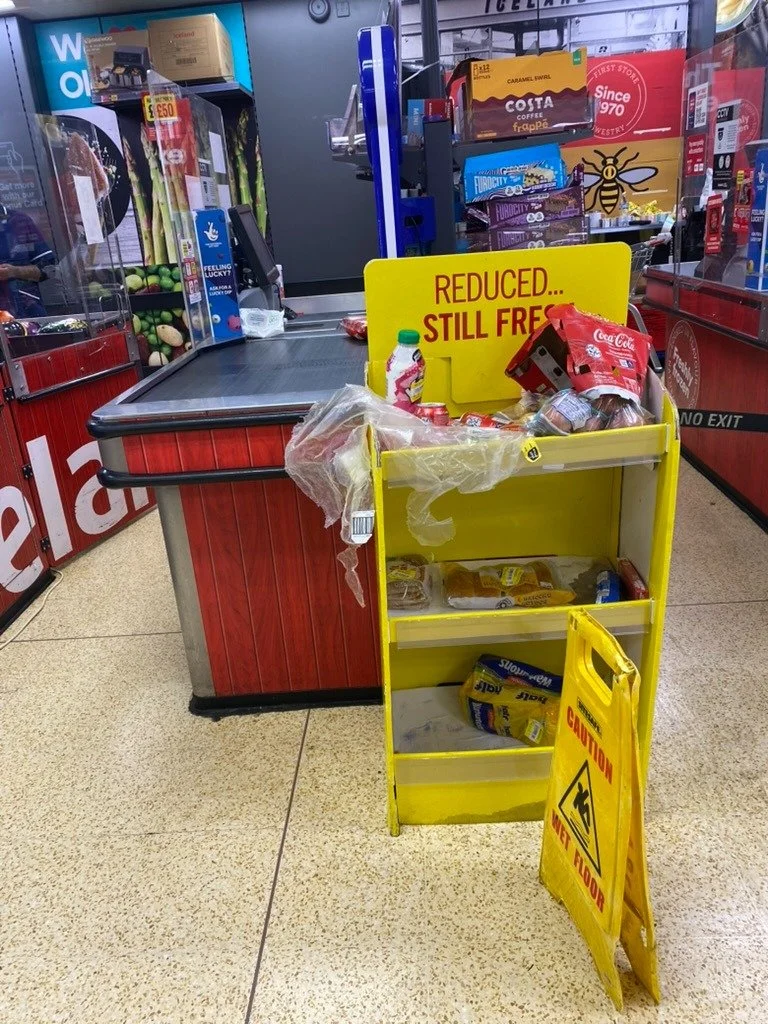
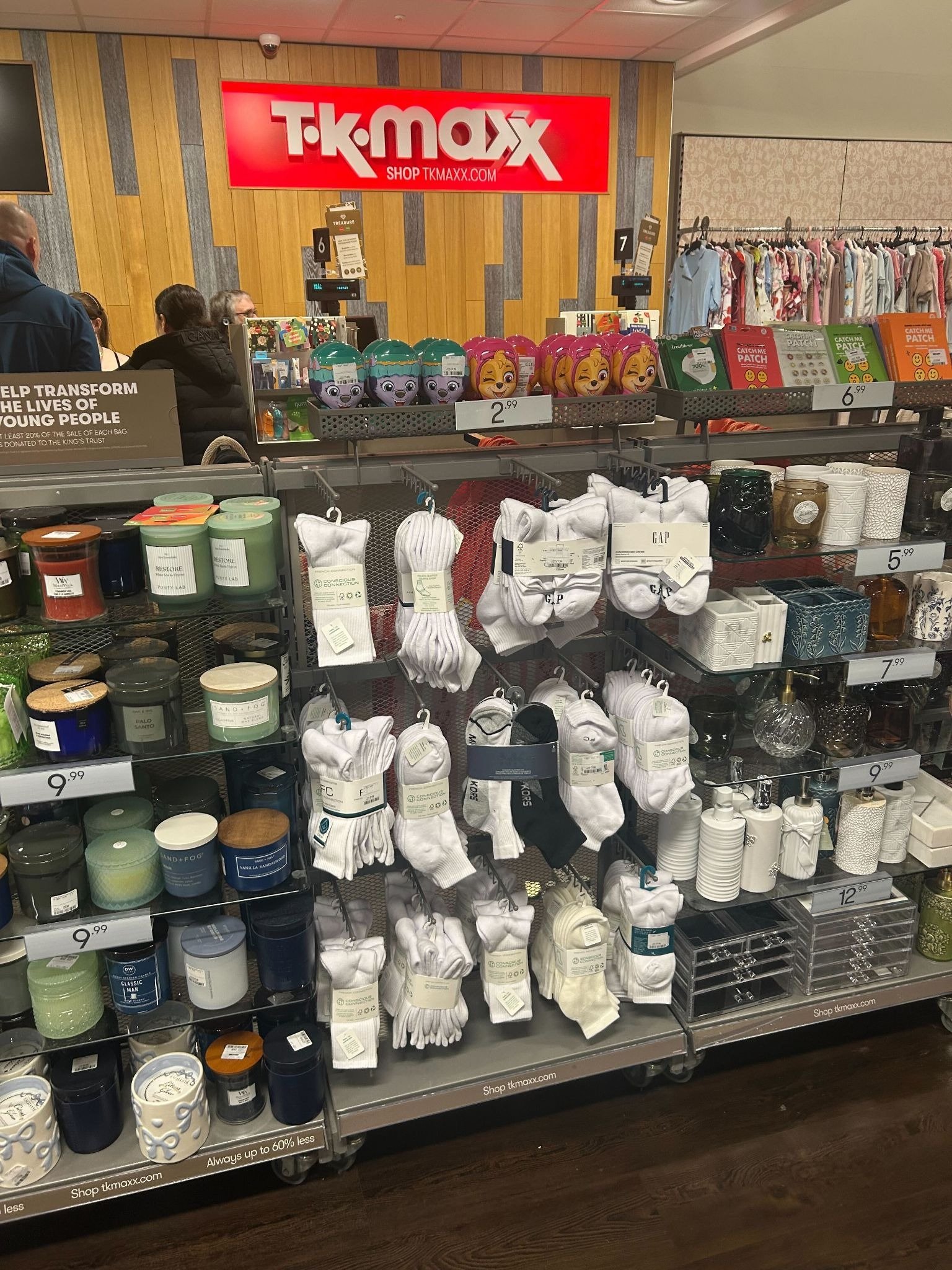
At the till, cognitive load is lowest. The brain is in completion mode. Small, low-commitment items convert here better than anywhere else — confectionery, drinks, single-serve products. The friction of adding one more thing is minimal.
Yet we consistently observe tills merchandised by default rather than design. Random stock. Mismatched impulse. Products placed because they needed to go somewhere, not because they converted.
Intentional checkout design converts the final moment. Default design wastes it.
Four of more
These four are just the start. Across the full store journey, from outside signage to exit experience, there are more touchpoints where behavioural friction hides.
Most retailers can't see them. Not because they're not looking, but because they're looking through an operational lens. Stock flow. Planogram logic. Category structure.
The barriers we're talking about aren't operational. They're psychological. And they require a different lens.
One More Thing™ is that lens
A rapid behavioural audit that reveals where the barriers sit in your store and shows exactly how to remove them. Not through heavy investment. Not through discounting. Through small, targeted shifts that unlock the incremental growth already sitting in your estate.
The growth is already there. Once you see where it sits, you can't unsee it.
Key Takeaways
Invisible frictions - not pricing or promotions - are silently capping incremental spend at every touchpoint.
Baskets, entrances, navigation and checkouts are four places where small barriers cost big revenue.
Operational thinking can't find them. A behavioural lens can.
These are four friction points. There are more hiding in your store.
Ready to see where the barriers sit in your retail space?
ONE MORE THING™ reveals exactly where invisible frictions are silently holding back incremental spend and how small, targeted shifts can turn them into measurable growth.
To explore more about ONE MORE THING™ and how we can help you transform your store’s experience and convert the moments most retailers overlook click here or on the button below.
