

What we learnt from The Lock-In: 5 killer takeaways for drinks marketeers.
The Art & Science of Memorability
Two weeks ago we hosted The Lock-In: a closed-door hour with five senior drinks marketers, brought together to press on one question: why do some drinks brands get ordered by name when the rest get forgotten?
The answer is a growth question dressed up as a brand-team one. In any given bar, at any given shelf, there's a small group of drinks brands that get ordered by name and a much larger group that get chosen because they're nearest, cheapest, or on. The brands in the first group are growing; the brands in the second are quietly being cut from the plan. Memorability is the mechanic that decides which group a brand ends up in.
We were joined by five of the sharpest minds in the industry, each with a completely different perspective on what it takes to build brands people remember. Between them they brought over 50 years of insight:
Andrew Nash (ex-Proximo, William Grant's)
Alena Linhartova (Head of Marketing, HipPop)
Nik Keane (CMO/Founder, DioniLife; ex-Diageo Captain Morgan)
Vicky Wood (Head of Brand & Insights, Kingsland Drinks)
Jason Dobson (Brand & Business Consultant)
We've run the session back and pulled out five killer takeaways, one from each speaker.
Drinks was the room; brand memorability is what applies to any category trying to be remembered.
1. The founder is the most crowded shortcut in drinks.

"Your brand is not distinctive because you have a founder. Every brand has a founder. What is distinctive is the energy and the vision that founder brings."
Andrew Nash, ex-VP Marketing Proximo, William Grant's
Every drinks brand has a founder. Every one leans on heritage and craft. When every brand is saying the same thing, saying it doesn't make you distinctive. It makes you the same. What could make your brand distinctive is one specific belief about drinks that no other brand in the category has. If you can't name what your brand believes that no one else does, you haven't got a distinctive brand. You've got a category cliché.
2. Memorability is tested at the shelf, not in the dashboard.

"I've been stalking people around supermarkets, just listening to conversations. How are they choosing that product at the shelf edge? I even did it last week."
Vicky Wood, Head of Brand and Insights at Kingsland Drinks
Marketers spend most of their time reading about consumers. Trackers, sales data, research decks. Vicky's point is that none of it captures the moment a shopper picks one brand over another. That happens at the shelf, in real time, and nothing on your desk shows you what actually drove the choice. Standing in the aisle and watching does. Listen to what people say to each other while they choose, and notice which brand they pick up first and which one they put back. Do it often enough that patterns start to show. If your last three months of consumer thinking has come from reports, not shops, you're managing your brand from behind a desk.
3. The sneer is memorability being filtered out.
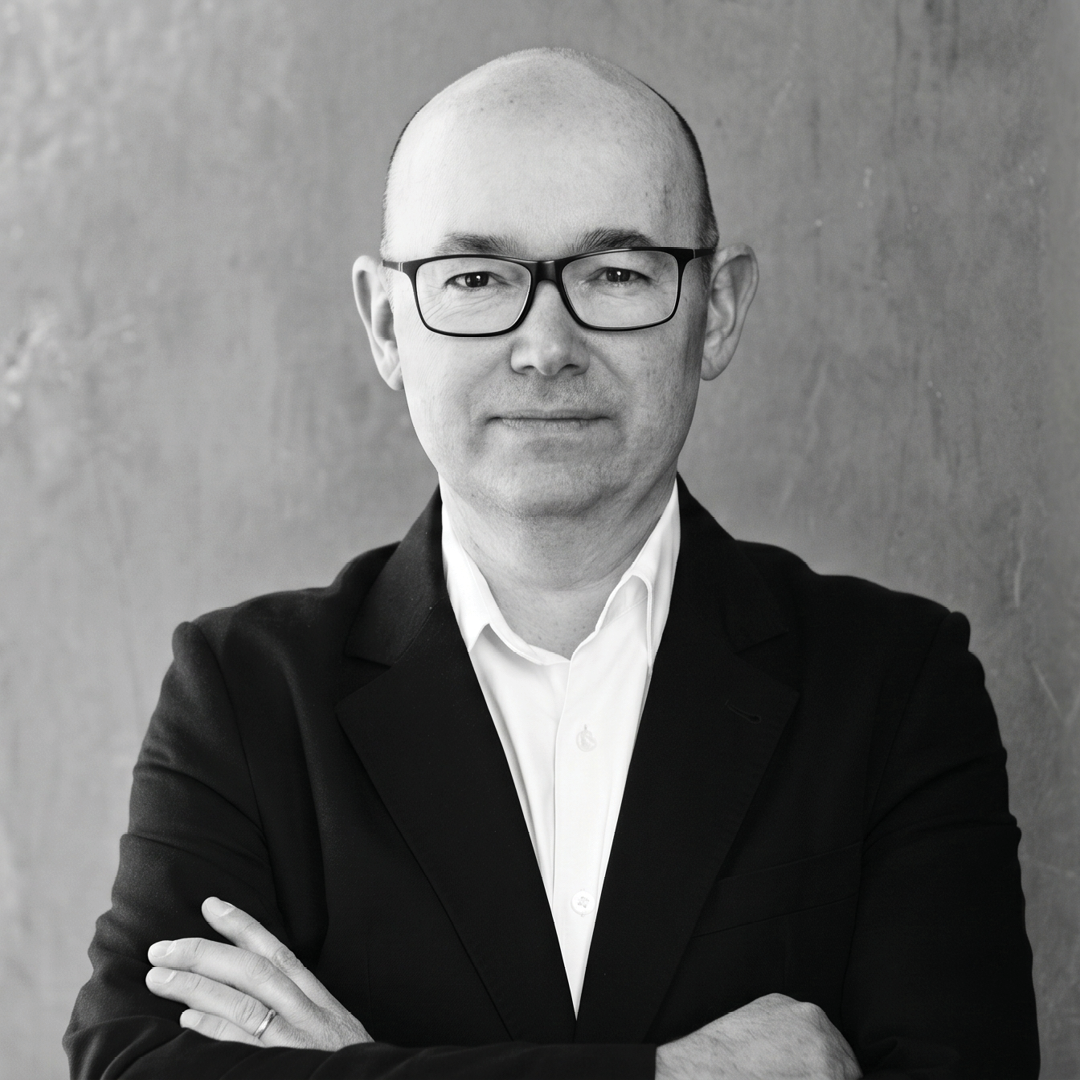
"The industry should be embarrassed that a lot of the great innovation seems to be coming from outside the industry."
Nik Keane, Chief Marketing Officer / Founder
DioniLife
Drinks marketers have a taste filter. When an idea looks cheap, embarrassing, or "not for us," the room kills it. Nik's point is that consumers don't share that filter. They care whether an idea solves a real problem in their life, not whether it looks good in a review meeting. BuzzBallz is his example — a product every spirits conference shushes as cheap and lurid, and yet one that stands out, solves a real consumer need, and is doing the memorability work most of the sneering brands can't. That's why the best innovation in drinks now comes from outside the industry. The industry keeps killing the ideas it doesn't want to be seen with. Next time an idea gets called cheap or off-brand in your room, ask whether that's the consumer's verdict or yours. If it's yours, the industry has just written another reason for the next big drinks idea to come from someone else.
4. What stays still is what gets remembered.

"It's really important to understand what is the bit that you are consistent about and what is the bit that you want to have fun with."
Alena Linhartova, Head of Marketing at HipPop
Memorable brands have one thing that never changes. Absolut's is the bottle silhouette, which has been the same since 1979. Everything above it has flexed: Warhol, Keith Haring, forty years of collaborations. The silhouette holds. AU Vodka does the same with its golden bottle, and BuzzBallz with its format. Alena's point is that memorability needs both — something that stays put, and things that keep moving on top of it. Most brands miss this. They redesign the thing that should never change, and hang onto the same category clichés everyone else uses. They move what should stay, and keep what should go. If you can't name the one asset about your brand that will never change, you don't have a memorable brand yet. You've got a brand you're going to keep tinkering with.
5. Experience is the medium, not a channel.

"Experience shouldn't be seen as a reward. It should be seen as part of what the brand is, how the brand lives, and how the brand communicates."
Jason Dobson, Brand & Business Consultant
Most drinks brands think growth comes from media, distribution and shelf. Jason's point is that this is only half the picture. The other half is the direct relationship a brand has with its drinker: how they meet it, and what they remember about that meeting. Most brands file this under Events: pop-ups, brand homes, influencer trips. First to be cut when things tighten. But if experience is where new drinkers actually meet the brand, cutting it is cutting the acquisition channel. It doesn't have to be big. A cask club, a members' release, founder access — anything that puts a real drinker in real contact with the brand. If experience isn't in the top three lines of your growth plan, you're cutting the thing that actually acquires drinkers..
Summary — the five things we came away with:
The founder story is drinks' most crowded shortcut. Distinctiveness starts with what only your brand would say.
What stays still is what gets remembered. Anchor one asset; flex everything else.
The industry sneer is memorability being filtered out. The room rewards safe, and safe doesn't get remembered.
Memorability is tested at the shelf, not the dashboard. Recall lives in the moment of choice.
Experience is the medium, not a channel. The moments a drinker remembers ARE the brand.
Our take.
Memorability isn't an accident. It's a discipline. The room named five practices that build it: a distinctive claim, real understanding of the moment of choice, the courage to make work the room won't like, one consistent asset that never moves, and an experience where drinkers actually meet the brand. Any drinks brand that practices the five gets remembered. Any brand that skips them gets forgotten, whatever the marketing budget.
The question isn't whether memorability matters. It's which of the five is quietly missing from your work.
