

Why own-brand doesn't have to look like own-brand anymore.
The Art & Science of Memorability
Own-brand has always looked like own-brand. A bit cheaper, a bit apologetic, hoping to pass for the real thing. The rule for decades — blend in, never stand out.
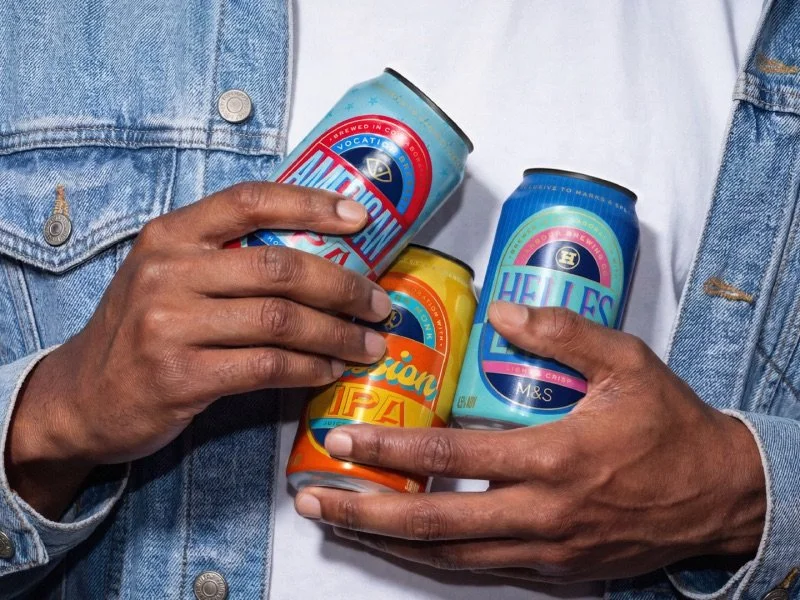
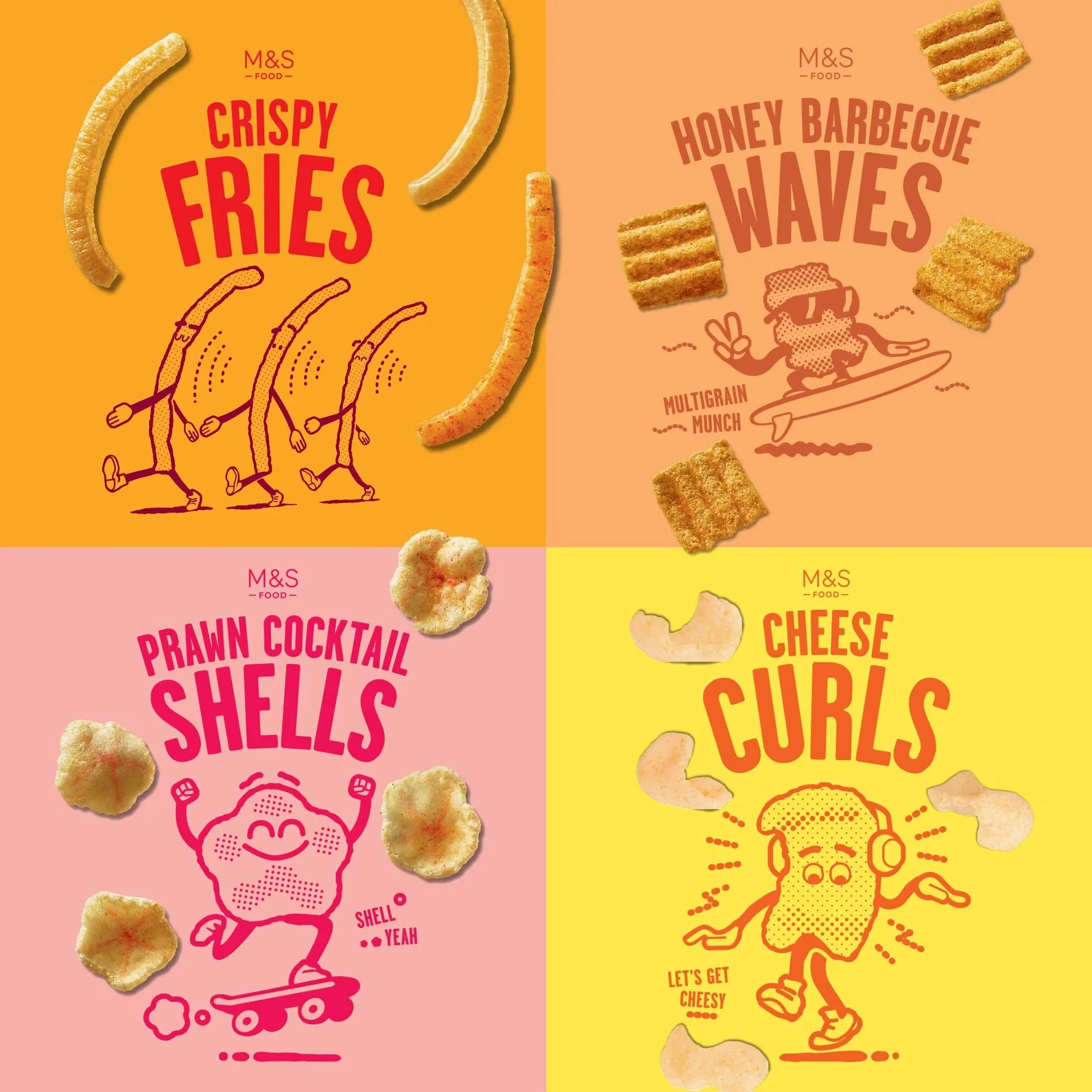
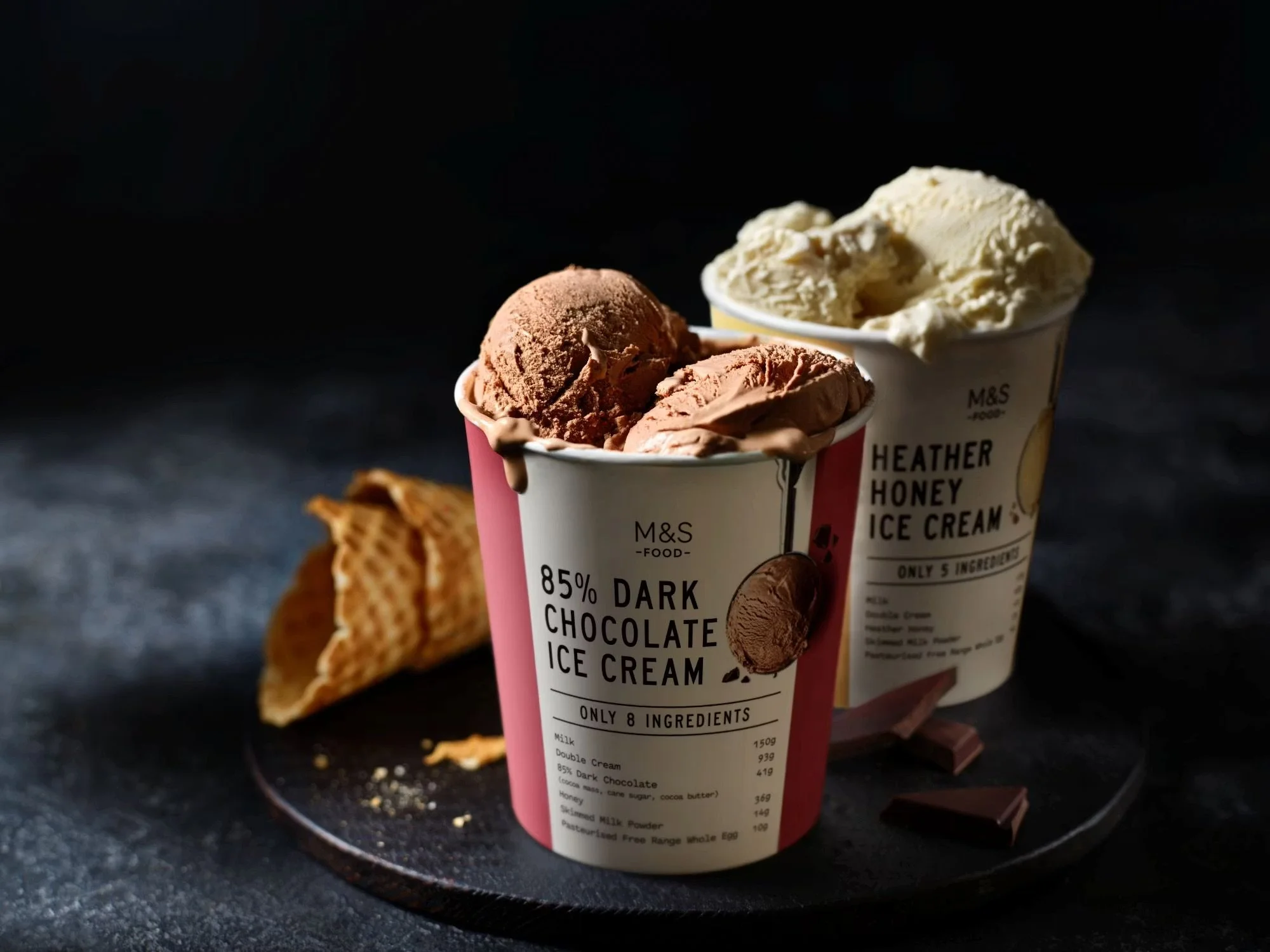
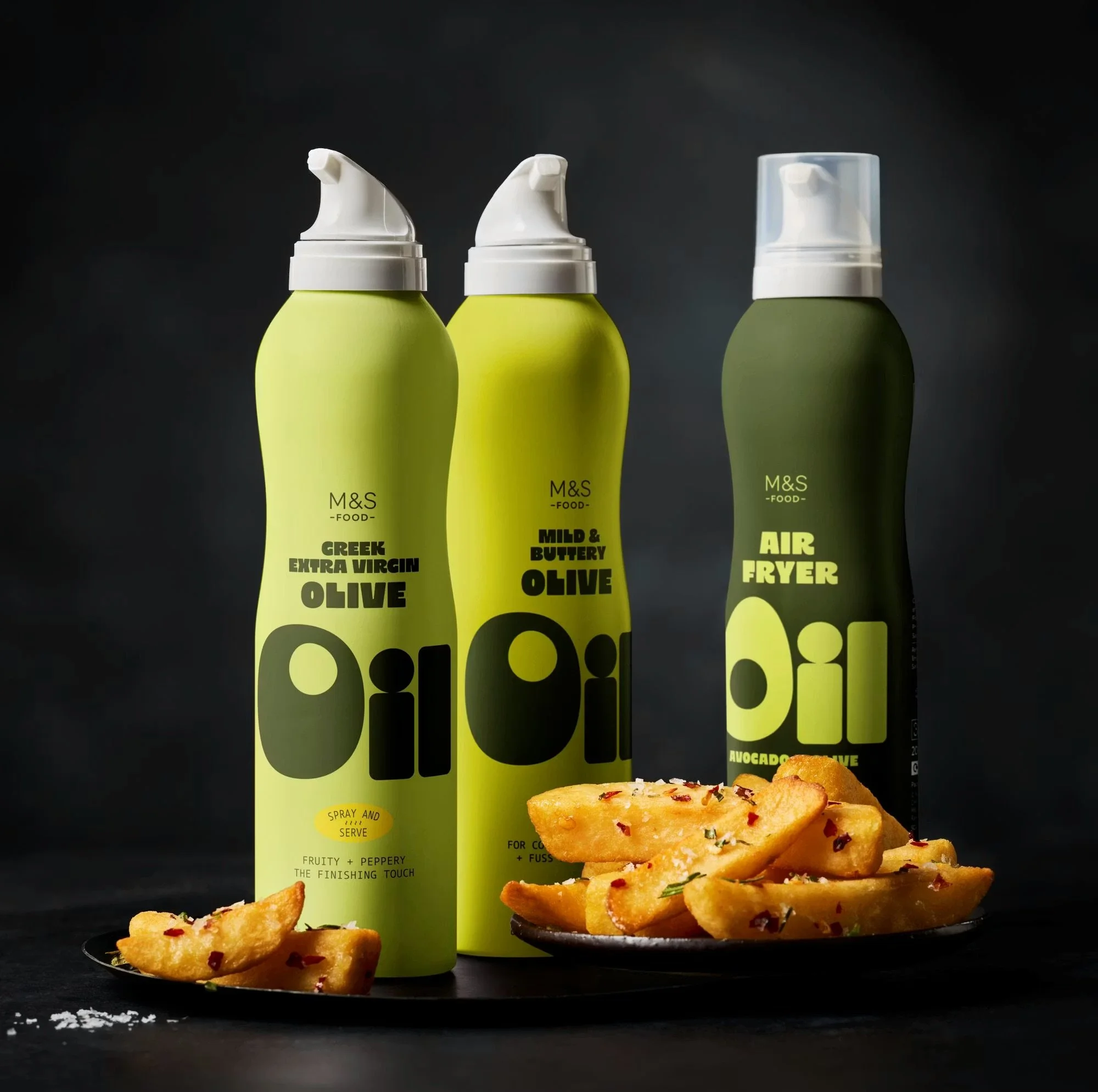
Not at M&S. Walk into a Foodhall now and product after product has stopped trying to be a version of something else. Each one looks like its own brand — through colour, illustration, typography or outright cheek.
Continental beer cans styled like vintage postage stamps
Festival-worthy Pop Marks soda cans
Kids' crisps in prawn cocktail Shells, cheese Curls and honey BBQ Waves
Campfire Mayo that looks more indie hot sauce than supermarket condiment
Big Daddy Popcorn and Top Dogs owning their own names
Only Ingredients olive oils and chocolate bars where the words do the design
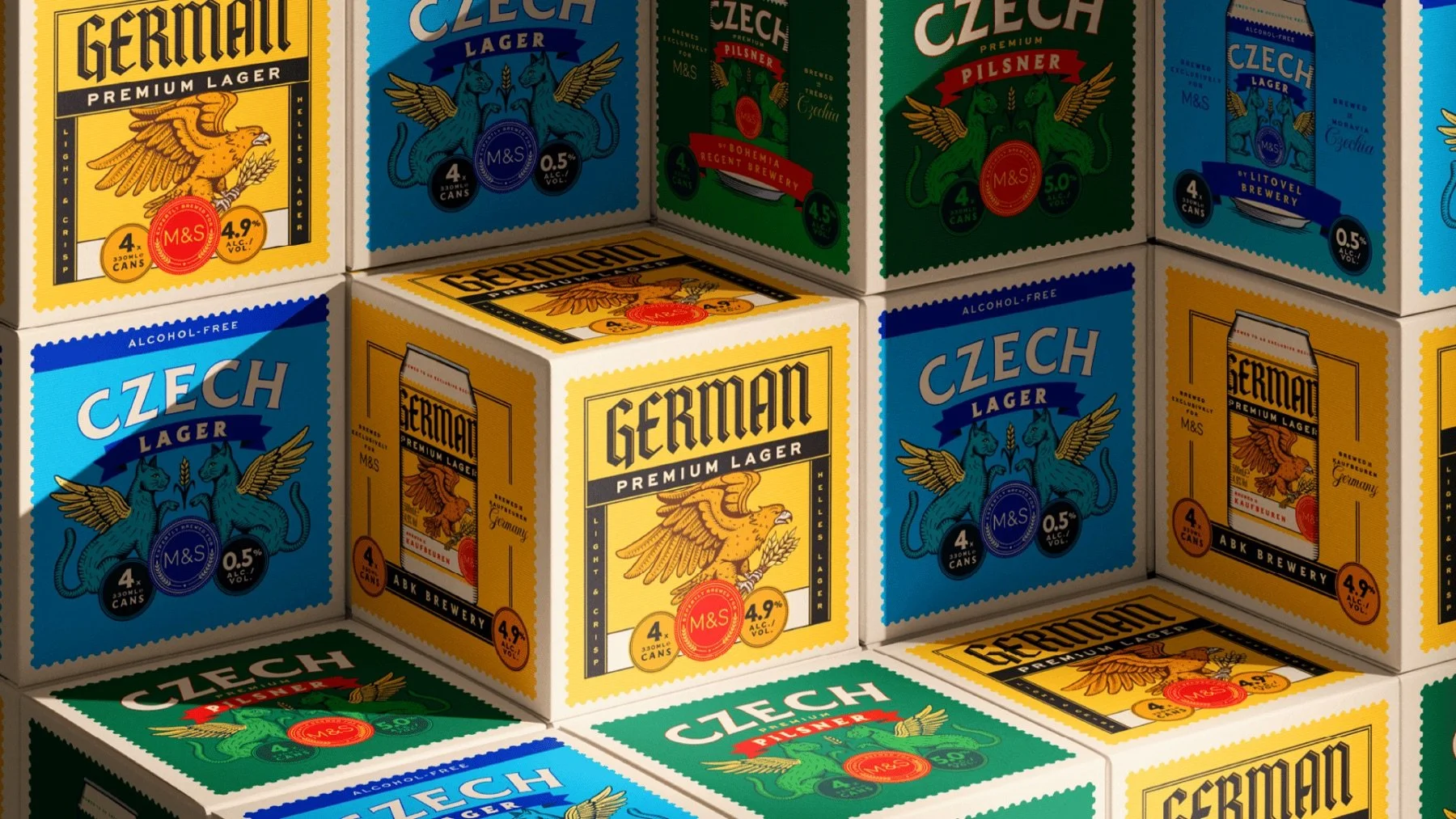
All images: M&S
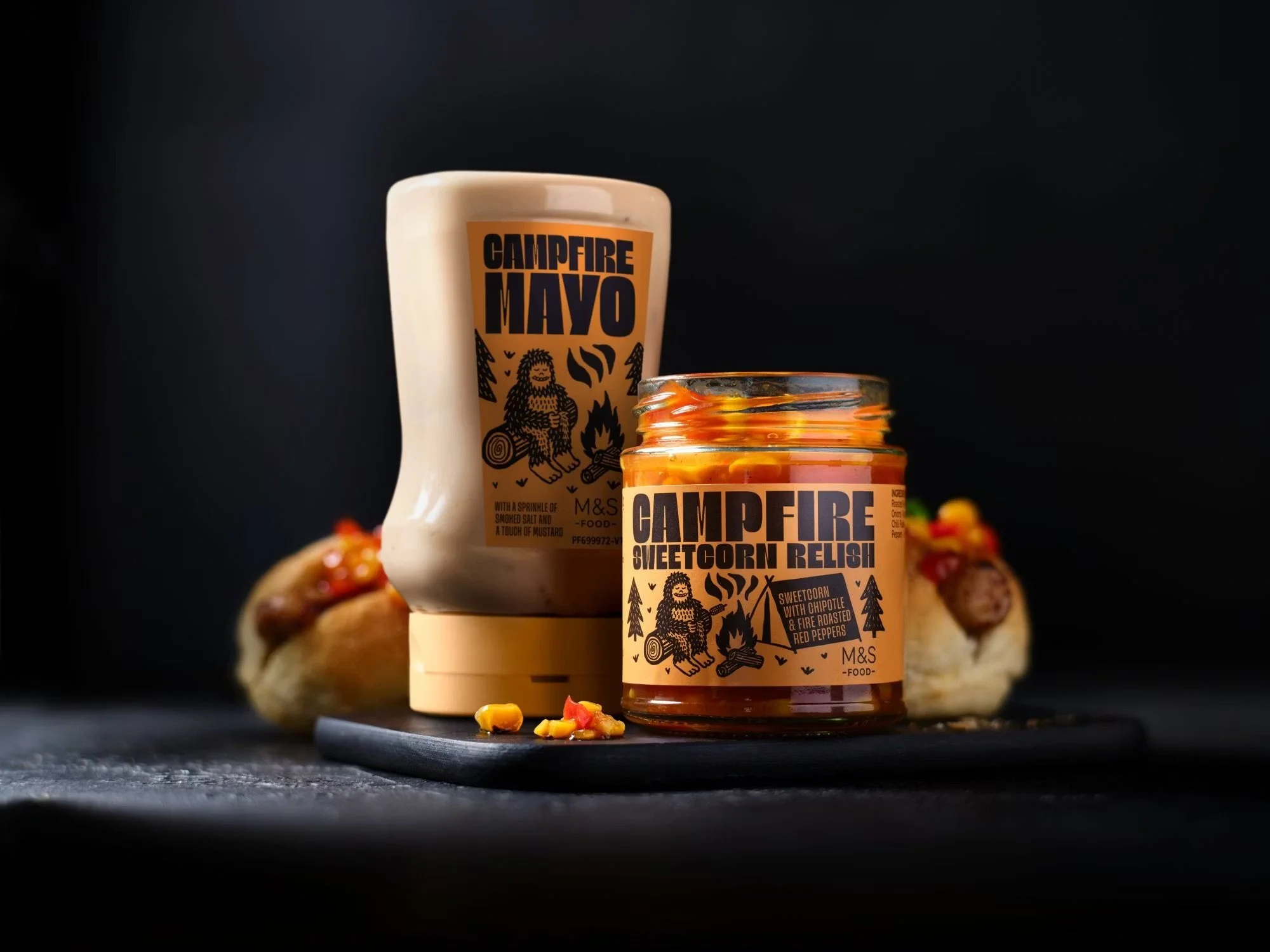
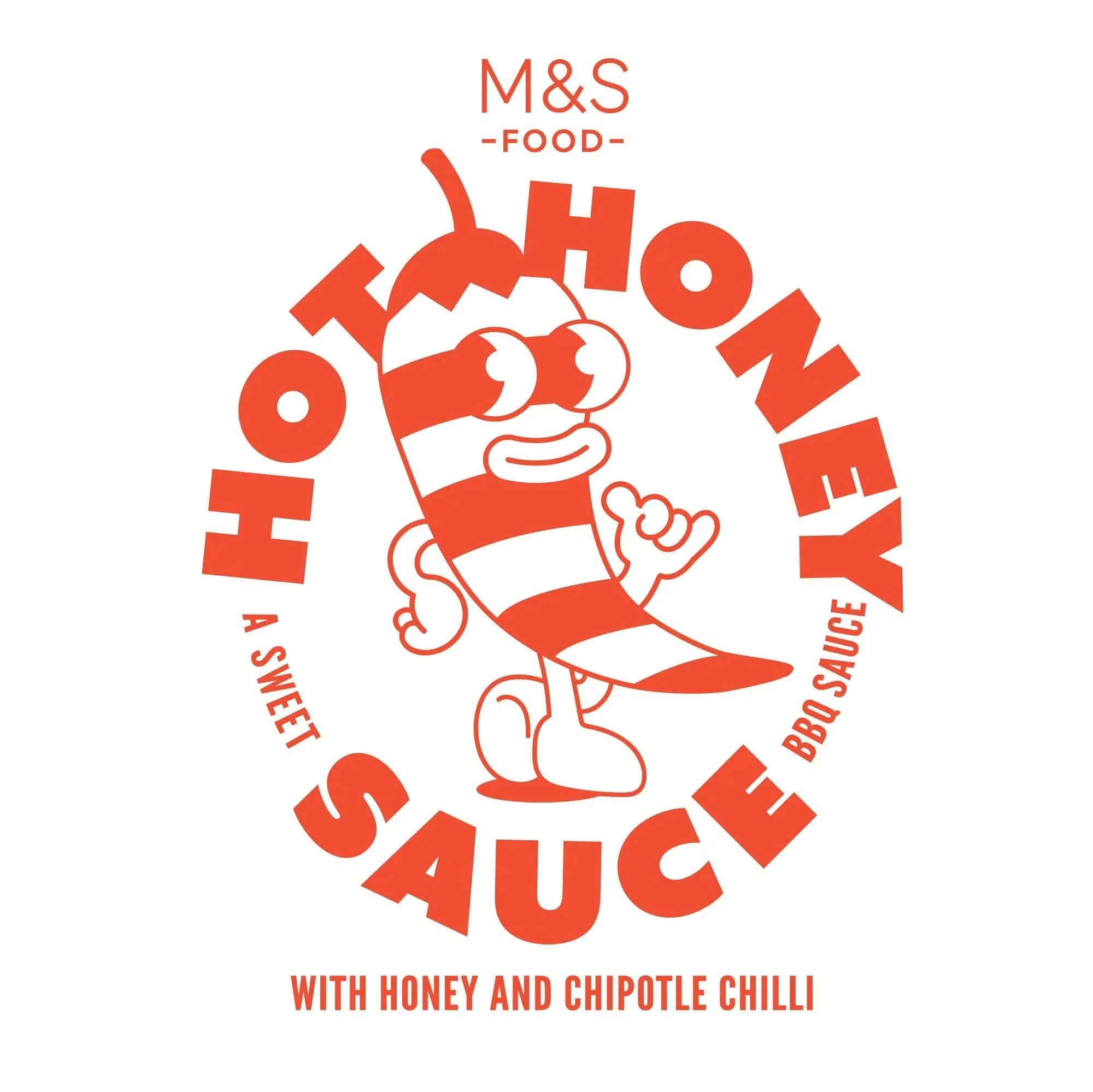
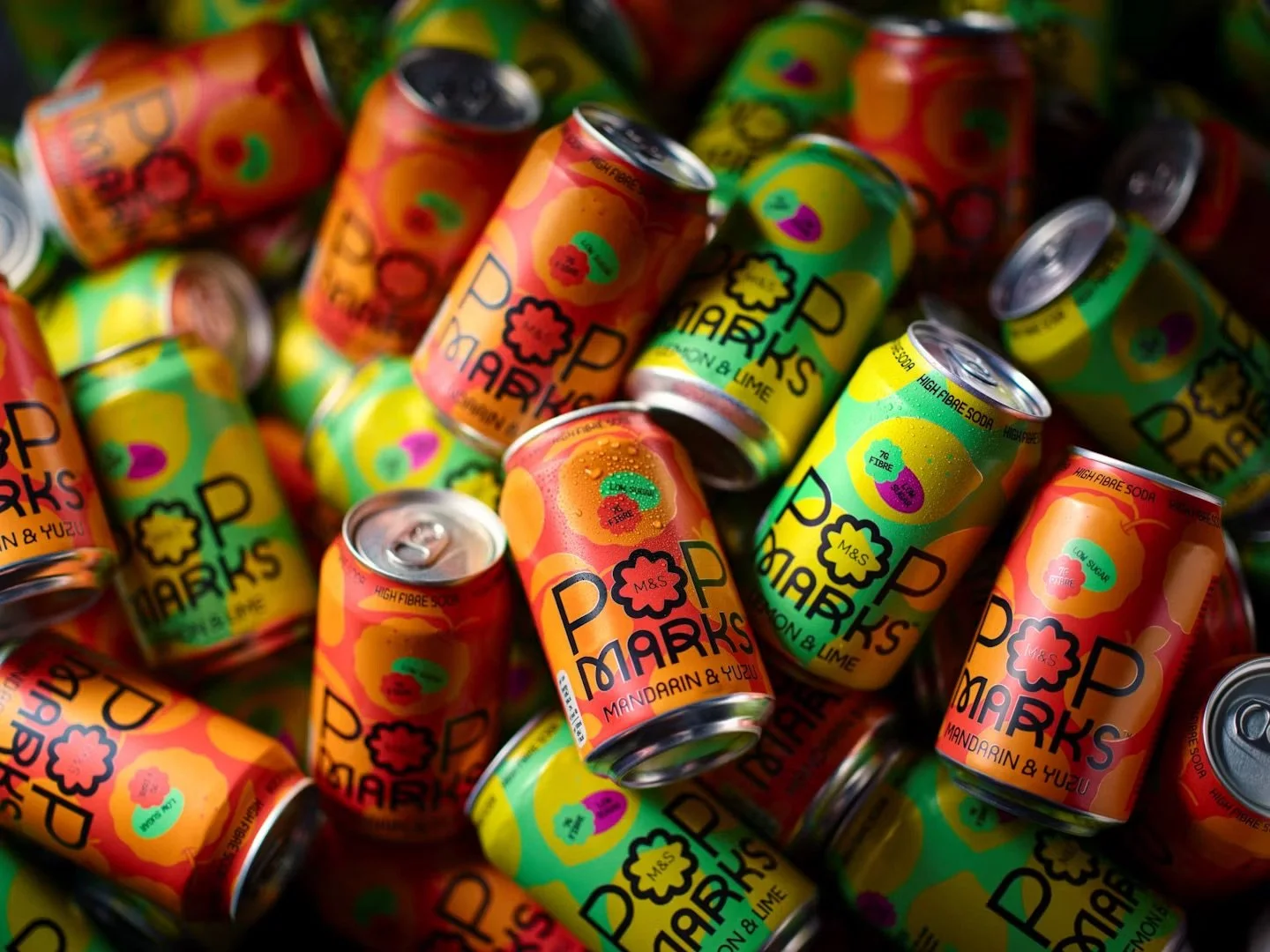

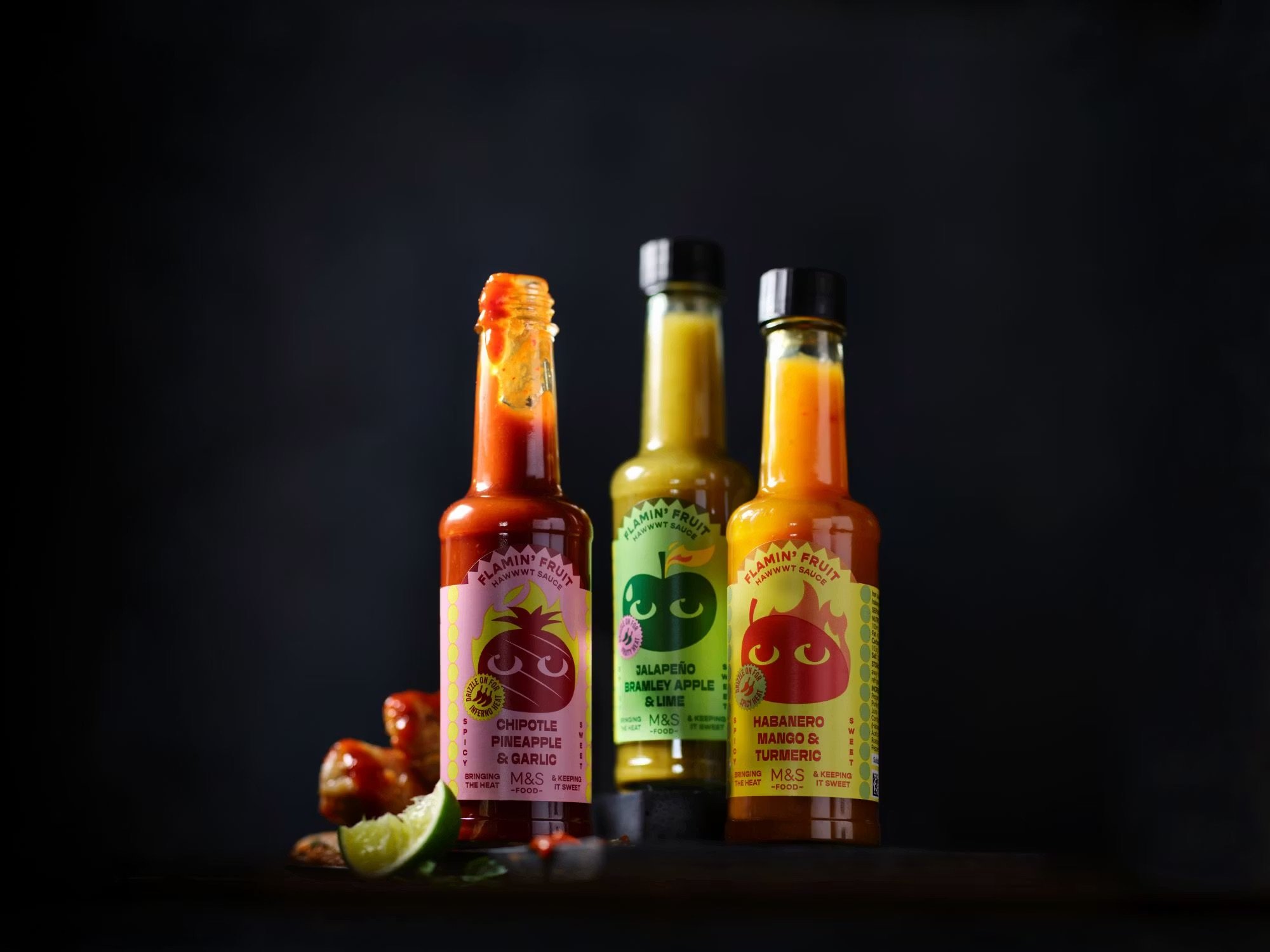
None of it blends in. None of it needs to.
Own-brand has always been a price play. Cheaper than the leader, into the basket, out the door. But price alone is a race with no finish line — someone can always undercut you.
Sameness is what makes own-brand forgettable. Templated packs might shift stock but they don't build anything. Distinctive packs do both. They sell out by Wednesday and leave a memory shoppers act on next time. That's the brand compounding — and it's how you stop running a race you can't win.
Own-brand isn't the cheap seat anymore. Done right, it's the reason people walk in and choose you over big names. So think — when someone picks up your pack, are they choosing it or settling for it?
Not sure? Go stand in your aisle for a morning. Watch what gets picked. Watch what gets ignored. That's your audit — free, and it takes half a day.
When you know what needs fixing, that's where Shelf Advantage comes in. It's the program we built to help own-label ranges pull off the shift M&S have — from picked up on price to chosen on purpose.
