

What can brands learn from Justin Bieber's Coachella comeback?
The Art & Science of Memorability
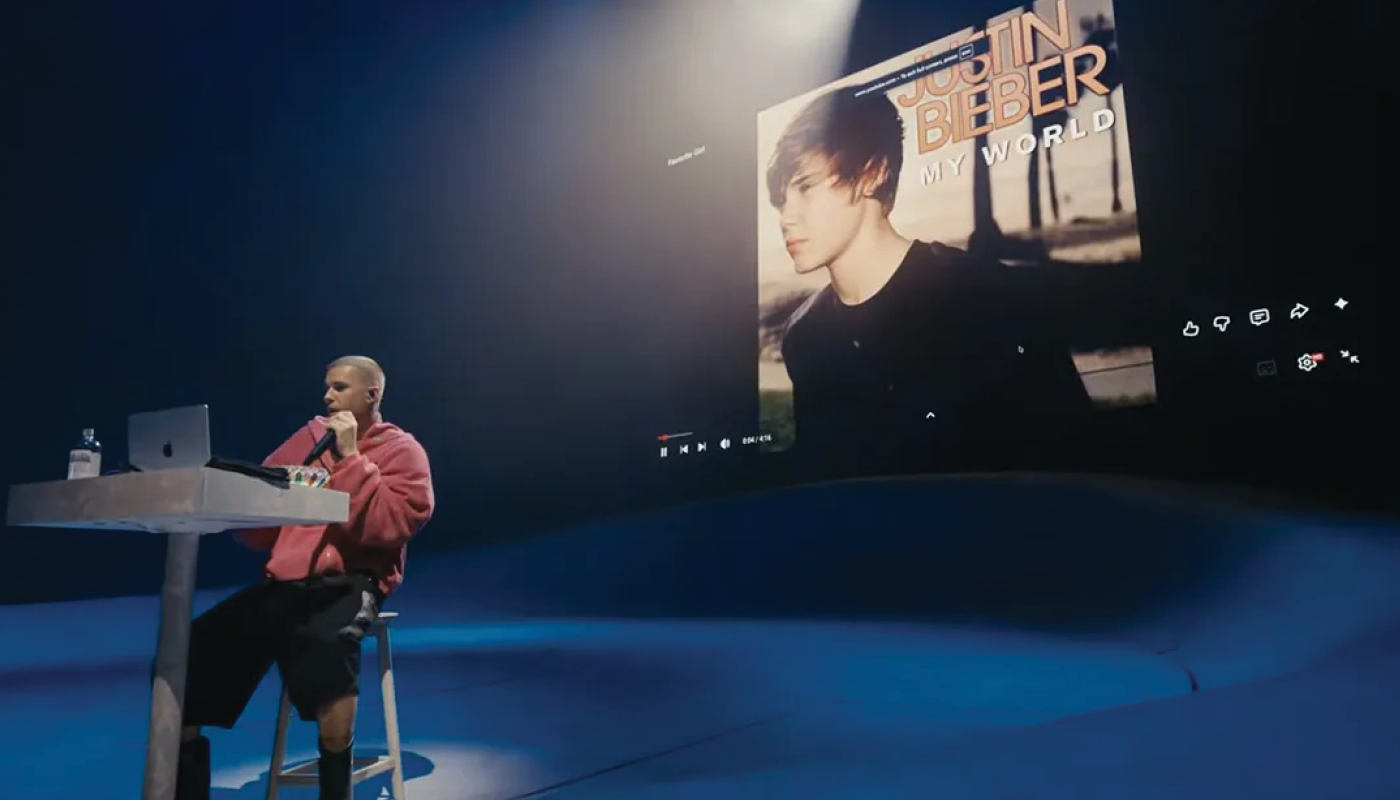
Coachella Festival graced our feeds, screens and if you where lucky enough to attend, your very own eyes this week. Where artists brought their biggest, most spectacular stage shows and productions.
Sabrina Carpenter brought us Sabrinawood.
Nine Inch Nails and Noize joined forces for a mesmerising visual and sound set hailed as one of the festival's greatest performances of all time.
But Justin Bieber kept it simple.
When others dazzled he kept it minimal. Played YouTube videos for most of his set and took fans on a stripped-back nostalgia trip.
Some have called it the worst headline performance in Coachella history. Others called it the best.
I thought it was genius. Look at the aftermath.
US streams jumped 54% the following day. 24.6 million in a single day. Back catalog songs up 600%.
Tracks he hadn't performed live in years, suddenly everywhere.
The act people are talking about wasn't the biggest of Coachella. The brightest or the boldest. It was the one that showed up differently.
Bieber ignored the Coachella default.
In a festival built on spectacle, the most noticed act was the one that stopped following the room.
And every brand marketer should have been paying attention. Because what works on that stage works in any market.
Three ways to go the other way.
Every category has a default. The format everyone follows. The brief that always gets approved. The thing nobody has thought to question.
The brands people remember are the ones who did the opposite. Here is what that looks like in practice.
1. Radical Simplicity
When your category adds, subtract. When the whole room scales up, scale down.
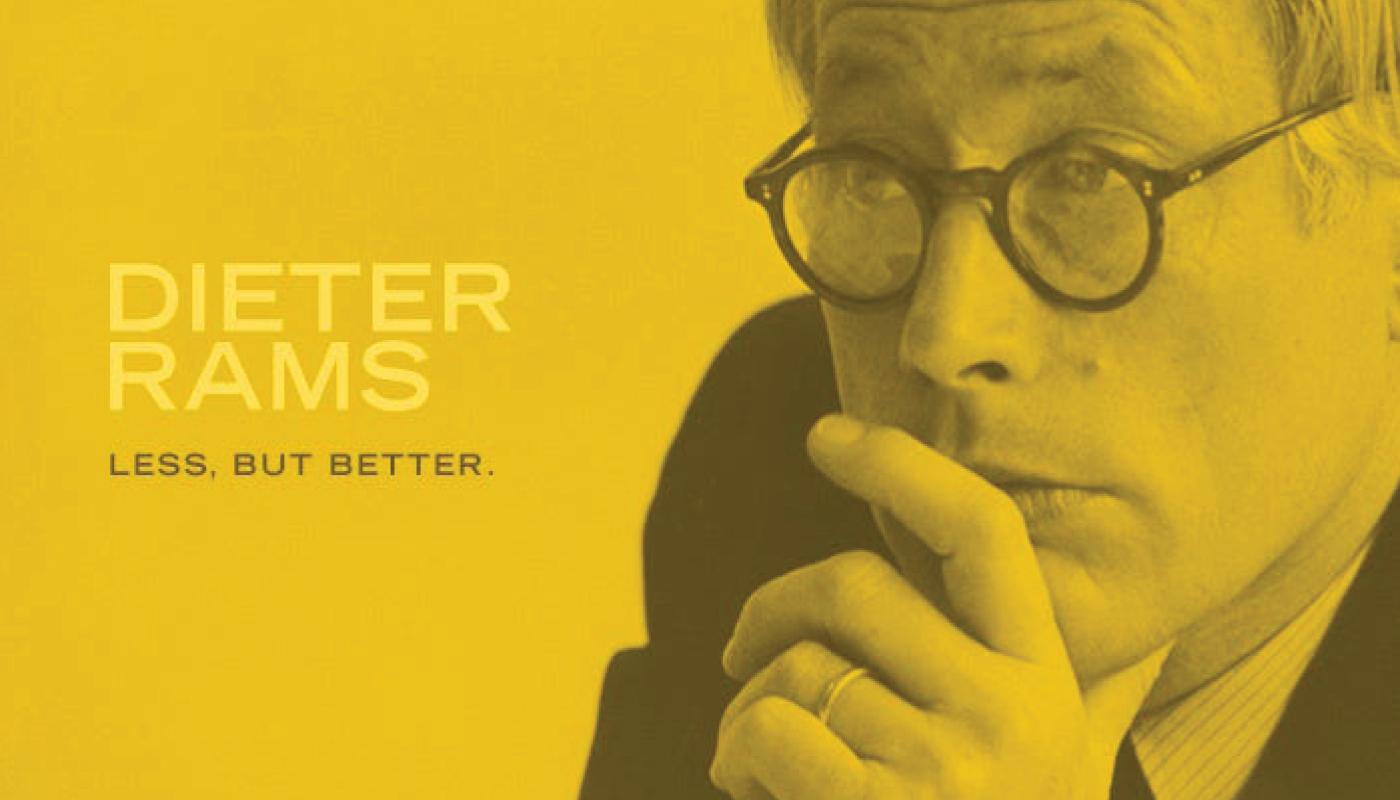
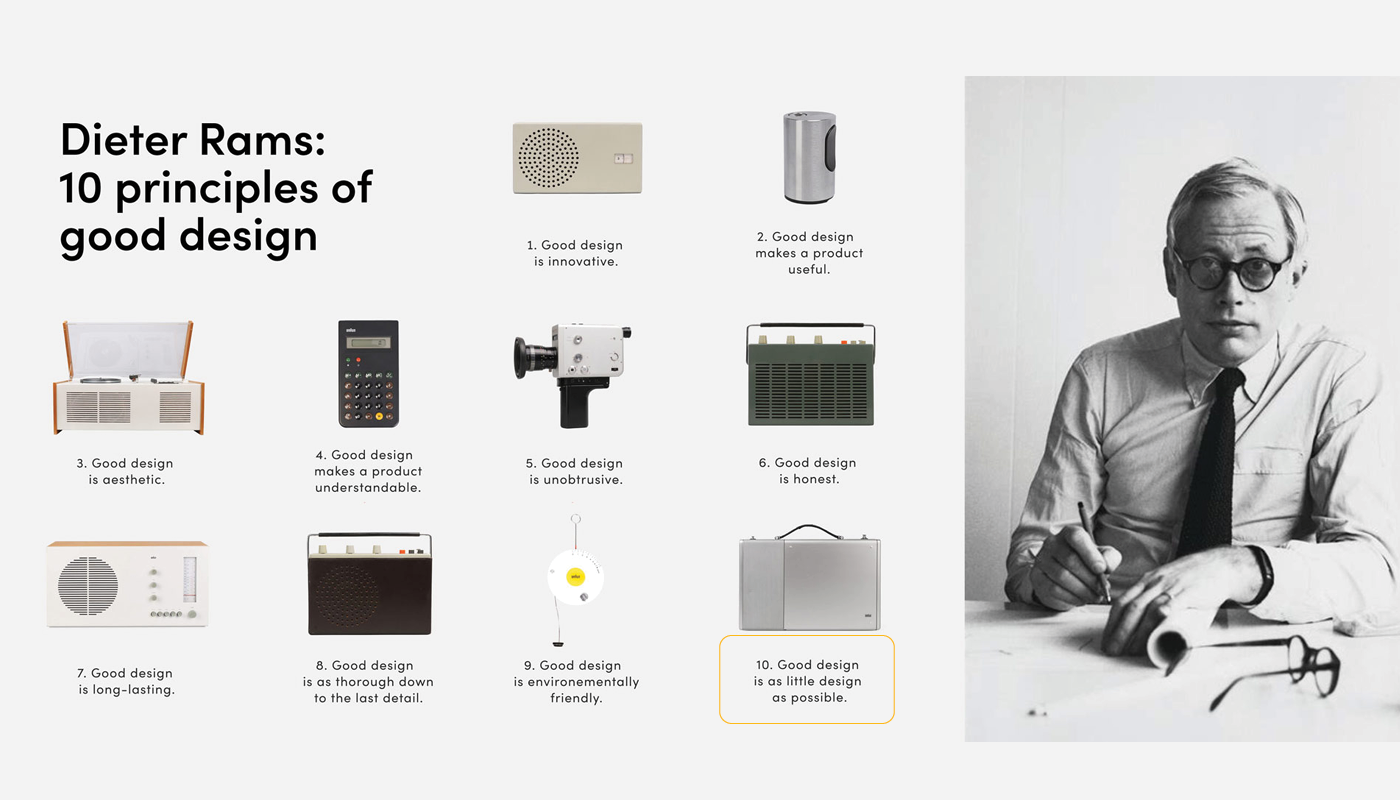
Dieter Rams built Braun around a single rule: less, but better. While every competitor added ornament and complexity, Braun stripped back. The products became icons. So enduring that Apple's designers studied them for decades when building the products that defined a generation.
Every category has its version of the $5 million stage set. The thing everyone assumes is necessary. Ask what happens when you take it away.
2. Nostalgia
When your category chases the future, go back. Bieber didn't just go minimal. He went back to the platform that discovered him. The bedroom videos. The 12-year-old kid with a webcam before he had a record deal.
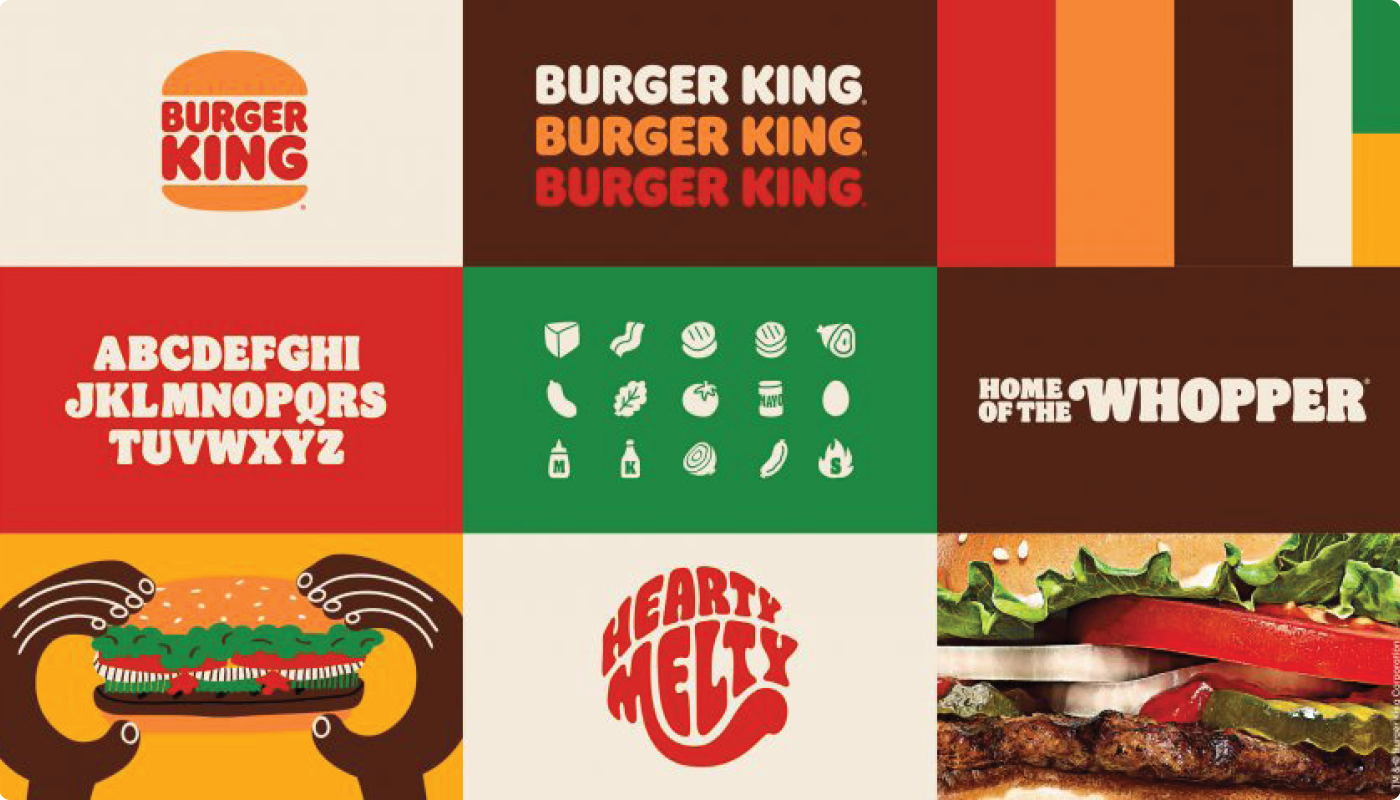
Burger King did the same in 2021. In a fast food category racing towards digital minimalism, they went back to their 1969 logo. Warm, rounded, retro. One of the most talked-about rebrands of the year. Not because it was new. Because it was old.
Your founding story is often your most distinctive asset. Most brands run from it as they grow. The memorable ones run back to it.
3. Reframing the Category
When your category defines success one way, define it differently. At Coachella a headline slot means spectacle. Bieber decided it meant something else. Not worse. Not cheaper. Different
Airbnb looked at the travel category and decided it was asking the wrong question. Hotels competed on location, price, amenities. Airbnb asked: what if travel was about belonging somewhere, not just sleeping somewhere? Belong Anywhere didn't just reframe their brand. It redefined the category.
Your category has a default definition of what good looks like. The brand that rewrites it usually ends up the most talked about.
The commercial bit.
The brands people remember aren't always the biggest or the loudest.
They're the ones who understood their category well enough to spot the gap. And then showed up in that gap, consistently, over time.
Because distinctiveness only compounds if you commit to it. One bold move is a moment. Repeated bold moves become a brand that is impossible to ignore.
The most noticed brand in the room is rarely the one following the room.
At The Behaviours Agency, building memorable brands is what we do. Our Create Fame programme is designed around the science of brand memorability. We help brands find the distinctive move, then build the consistent presence that makes it stick. Not just for a weekend. For years.
If that is a question worth answering for your brand, let's talk hit the link below to find out more.
