

The Lock-In 2.0: 3x takeaways for drinks brands navigating the new premium.
The Lock-In 2.0
Most homes have one. A bottle of something bought for a single cocktail, a couple of measures down, still sitting at the back of the cupboard two years later gathering dust.
That bottle is the problem premium drinks brands now have to solve. People still want the good stuff. They're just less willing to buy a whole bottle to find out, or to make it themselves.
That's where The Lock-In 2.0 kept landing. We asked Billy Abbott of The Whisky Exchange, Keegan Giannoni of Infinium Spirits and Emil Stickland of Kocktail what premium looks like now. Here's what each of them made us think again about.
(Missed it? You can play the full session back below.)
1. Don't fight the winner on its own ground.
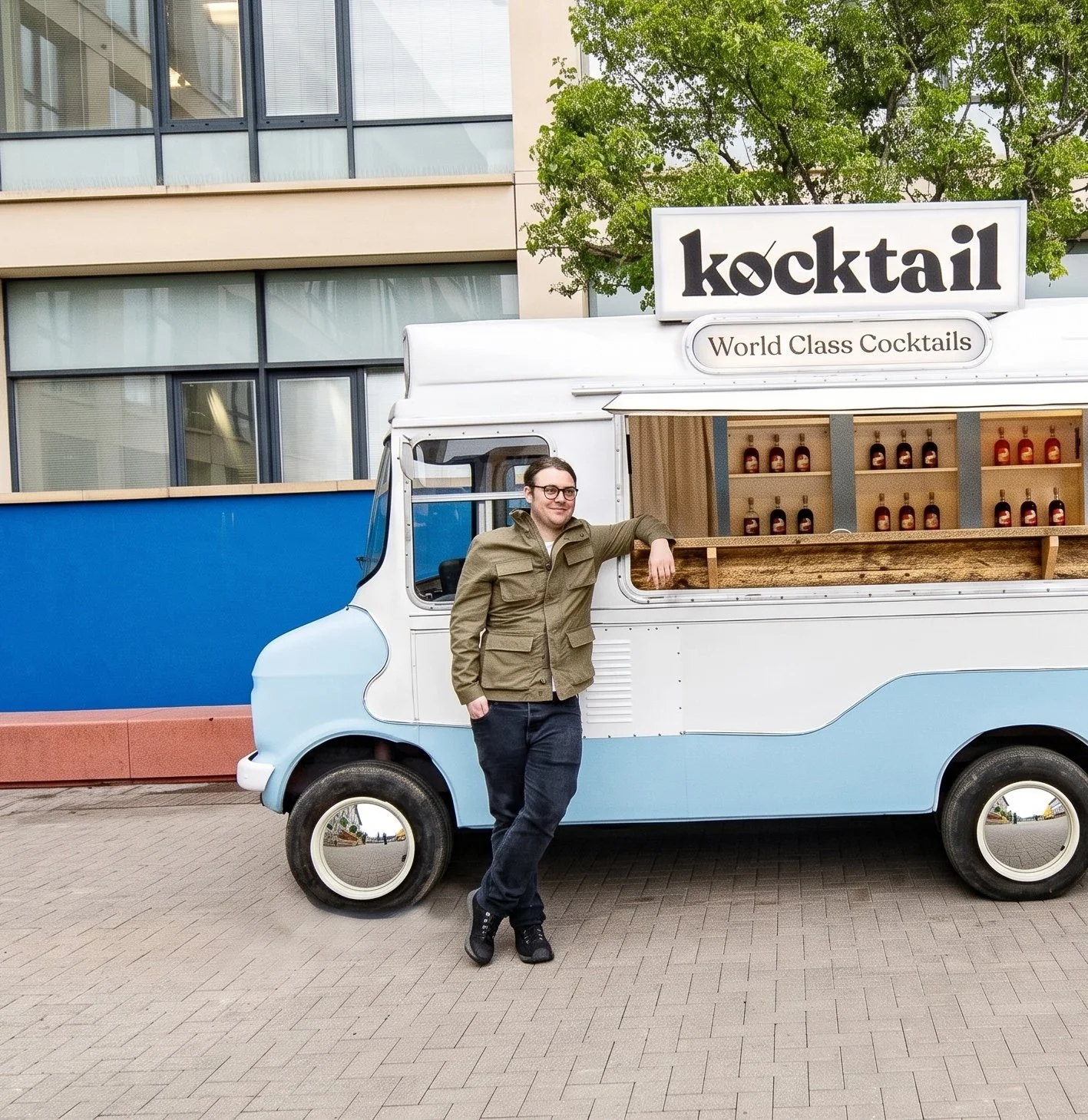
"Let's not compete with cans. Let's not try and do cans. Let's try and think about… what's the point at which cans no longer fulfil the need?"
Emil Stickland, Co-founder, Kocktail
Every category has a format that's winning, and most brands try to beat it with a better version of the same thing. Emil went the other way. Cans are brilliant for grab-and-go, so he asked where they stop being the right answer, like bringing proper cocktails round to a friend's for dinner. That's where Kocktail's cocktail in its own glass came from. In a crowded category, the opening is usually where the winner doesn't reach.
What does the winning format in your category do badly?
2. Make it cheap to find out if they like you.
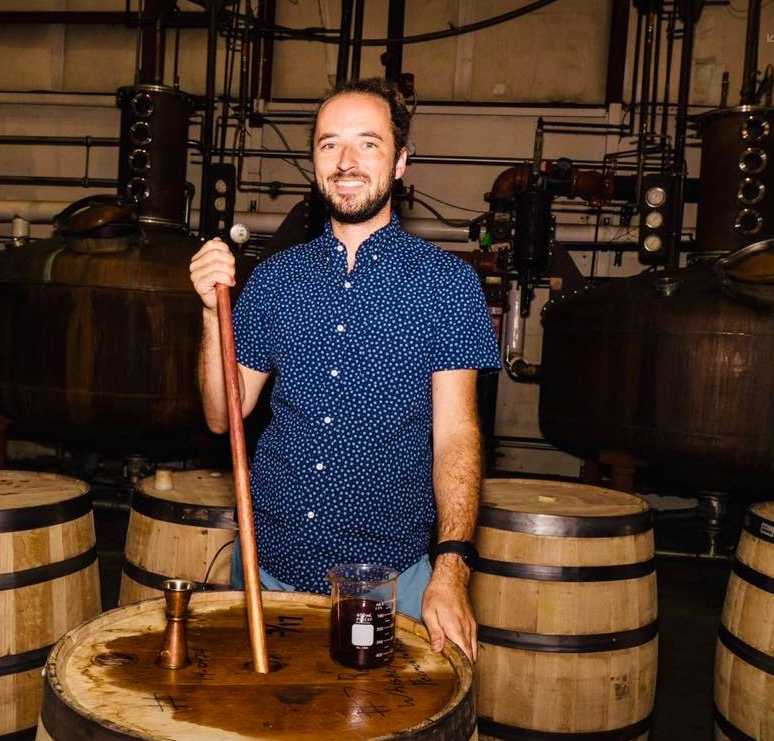
“Now you need to offer a lower entry point to your brand, to get consumers to try first before they're willing to spend that extra buck for your core product."
Keegan Giannoni, Director of Brand Marketing, Infinium Spirits
Nobody wants to spend £35 on a bottle they might not like, or buy three bottles to make a cocktail they've never tried. That's the barrier to trial. A smaller, cheaper way in gets round it, like a £4 can. Someone gets to find out if they like you for four quid, and the ones who do are the ones who come back for the bottle.
How much does it cost someone to find out they like your brand?
3. Single serve has grown up.
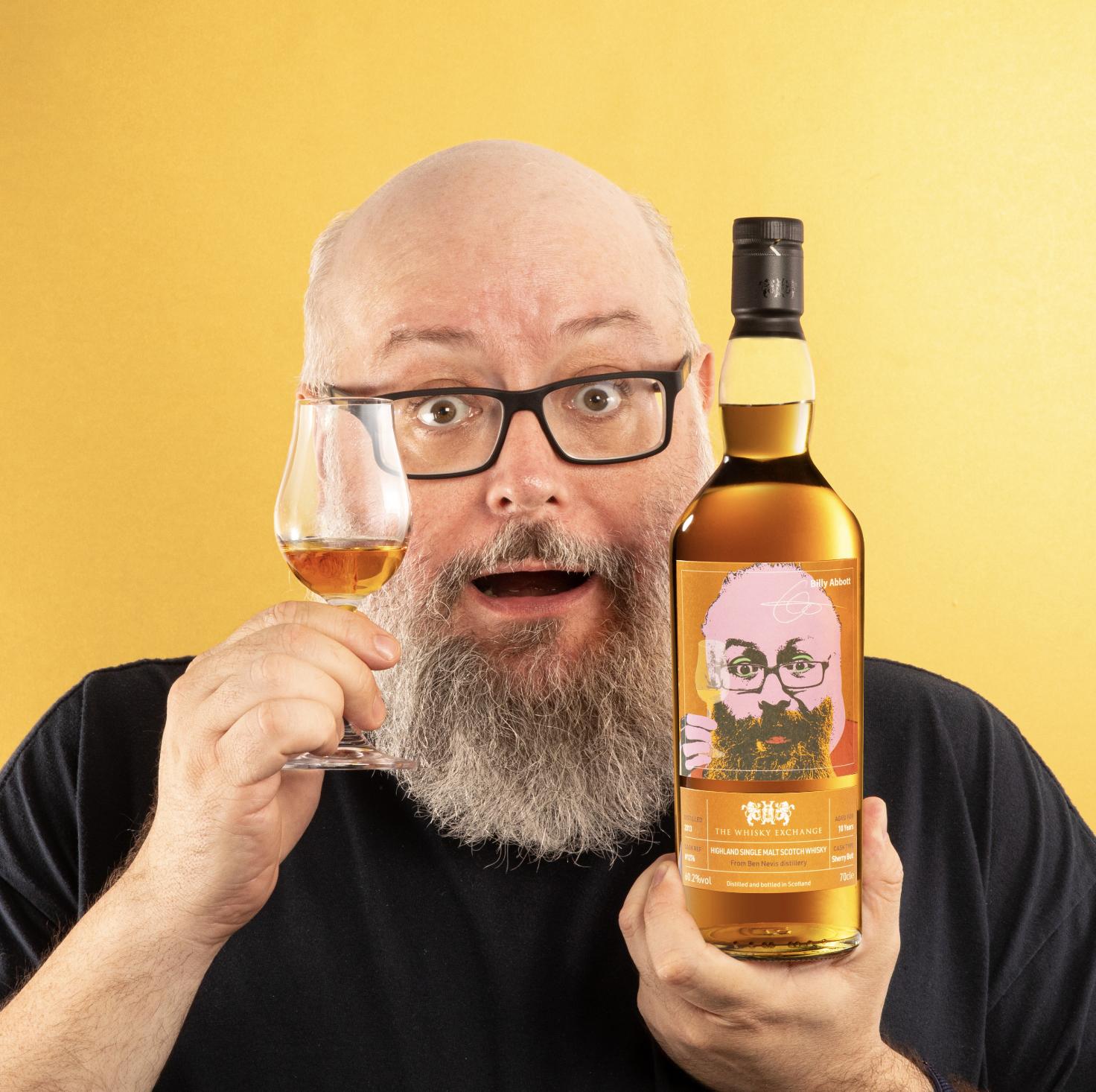
"The really interesting side of premiumisation in this current era is the premiumisation of single serve… They are drinks to spend time with."
Billy Abbott, Ambassador, The Whisky Exchange
Single serve used to be the cheap can you grabbed for the train. Now it's where people go for premium, whether that's pre-drinks on the way out or a proper cocktail at home after work. It costs less than a glass of wine at the pub, there's no full bottle to buy, and there's nothing to make. For a lot of drinkers, the small pack isn't a taste of the real thing. It is the real thing.
Is your small format a sampler for your brand, or a premium product in its own right?
Our take.
For years, premium asked people for a big commitment up front: the whole bottle, at full price, before they knew whether they'd like it. Plenty of people said no, and never found out.
What's changed isn't that people want premium less. It's that they can now get it in smaller bets. A £4 can. A proper cocktail at home for less than a glass of wine at the pub. The brands getting ahead are the ones that have worked out what the smaller version of themselves is, and whether it's the way in to the bottle or the whole point.
And wherever the winning format doesn't fit, there's room for someone else to walk in. So here's the question. If someone wanted to try your brand tonight without betting £35 on it, could they?
