

Is your brand hiding its most polarising quality?
The Art & Science of Memorability
Every brand has something people are divided on, a taste, a ritual, a reason some people say "absolutely not." And yet most brands treat this as a problem to manage, they sand it down and reposition until nobody objects, but could you brands most polarising quality be it’s most memorable?
As brands play it safer, the negative reactions don't go away. They stay constant, the only thing that drops is the positive emotion and you can't bore your way out of being disliked, you just lose the people who would have loved you.
Safe isn't a strategy, it's a waste, so what does the alternative look like?
The most memorable brands stop hiding what divides people and make it the point, not to alienate, but to sharpen what they stand for we call it Uncomfortable Truth.
One of our Brand Memorability Hacks, a set of creative levers for brands that know playing it safe is forgettable and being brave is more memorable.
Here is what that looks like.
Marmite built a brand on the divide.
They could have positioned around recipe, heritage, versatility. Instead they made the one thing people argue about the entire brand. "Love it or hate it" isn't a tagline, it's the whole memory structure. You don't just remember the taste, you remember which side you're on.
And it still works.
Marmite's latest outdoor campaign, "Love it. Hate it. Cook with it," pushed the divide into new territory, familiar dishes like pizza and pasta, with a Marmite jar sitting right alongside.
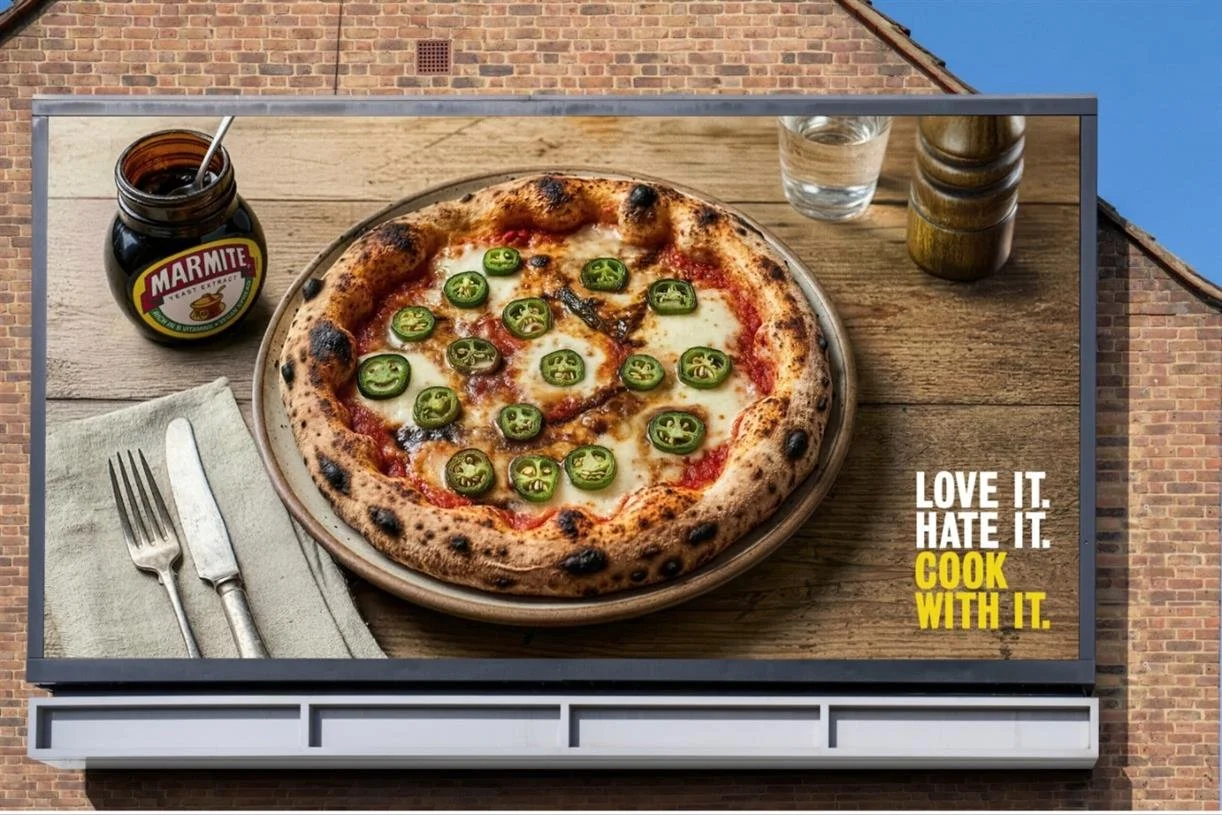
System1 tested it with a nationally representative UK audience. 8% felt disgust, well above the outdoor average. But 27% felt happiness. The polarisation didn't hurt the brand. It amplified the response.
As System1's research consistently shows, brands that tap into emotion cut through.
The opposite of polarising isn't safe, it's forgettable.
And this isn't unique to food.
Stella Artois built a campaign on the inconvenience.
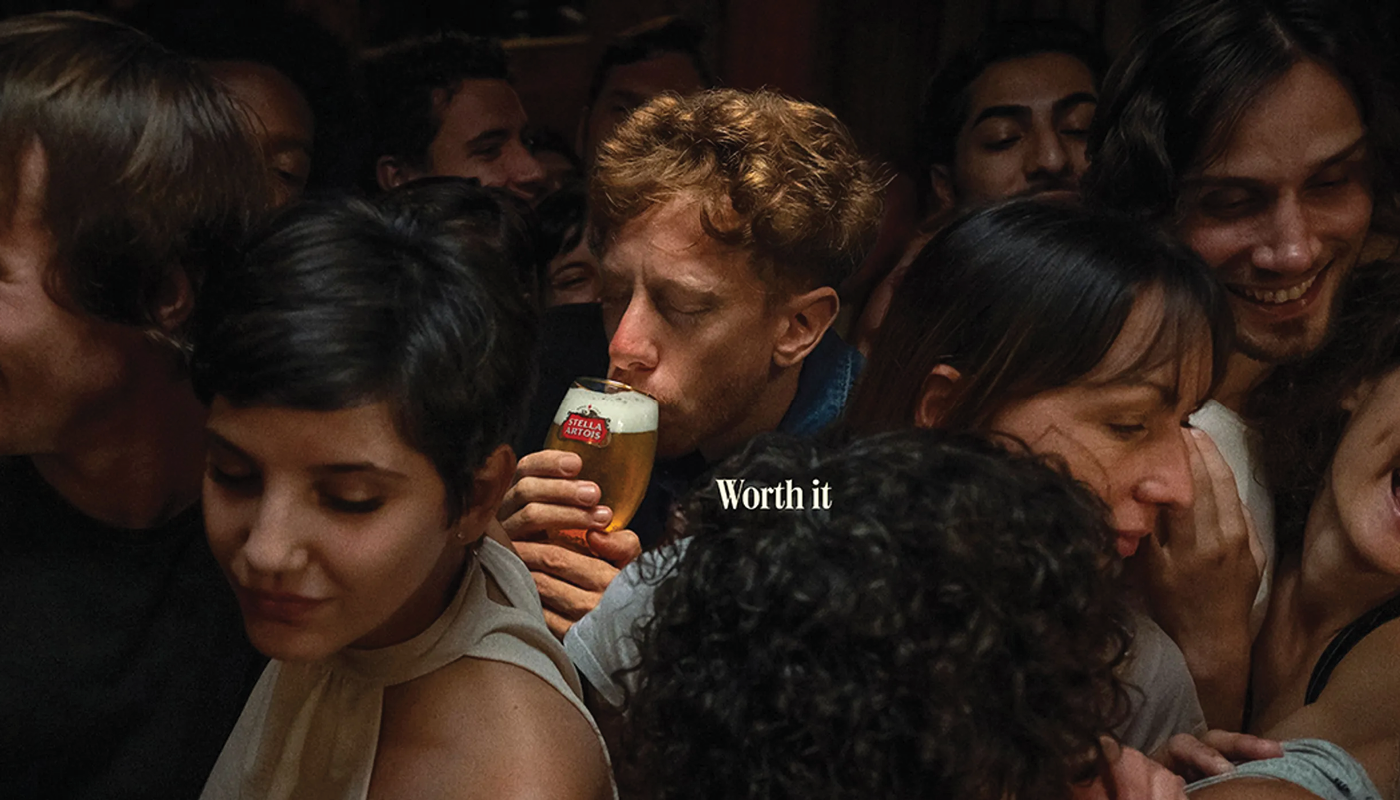
Most beer ads show the perfect night out. Stella showed the crowded one, the queues, the elbows, the noise. You don't remember the perfect pint. You remember the queue to get it.
Malört built a brand on the reaction.
Most spirits soften the taste story. Malört leaned into the wince, the dare, the face, the story you tell the next day. You don't remember the flavour, you remember your face after the first sip and the taste!
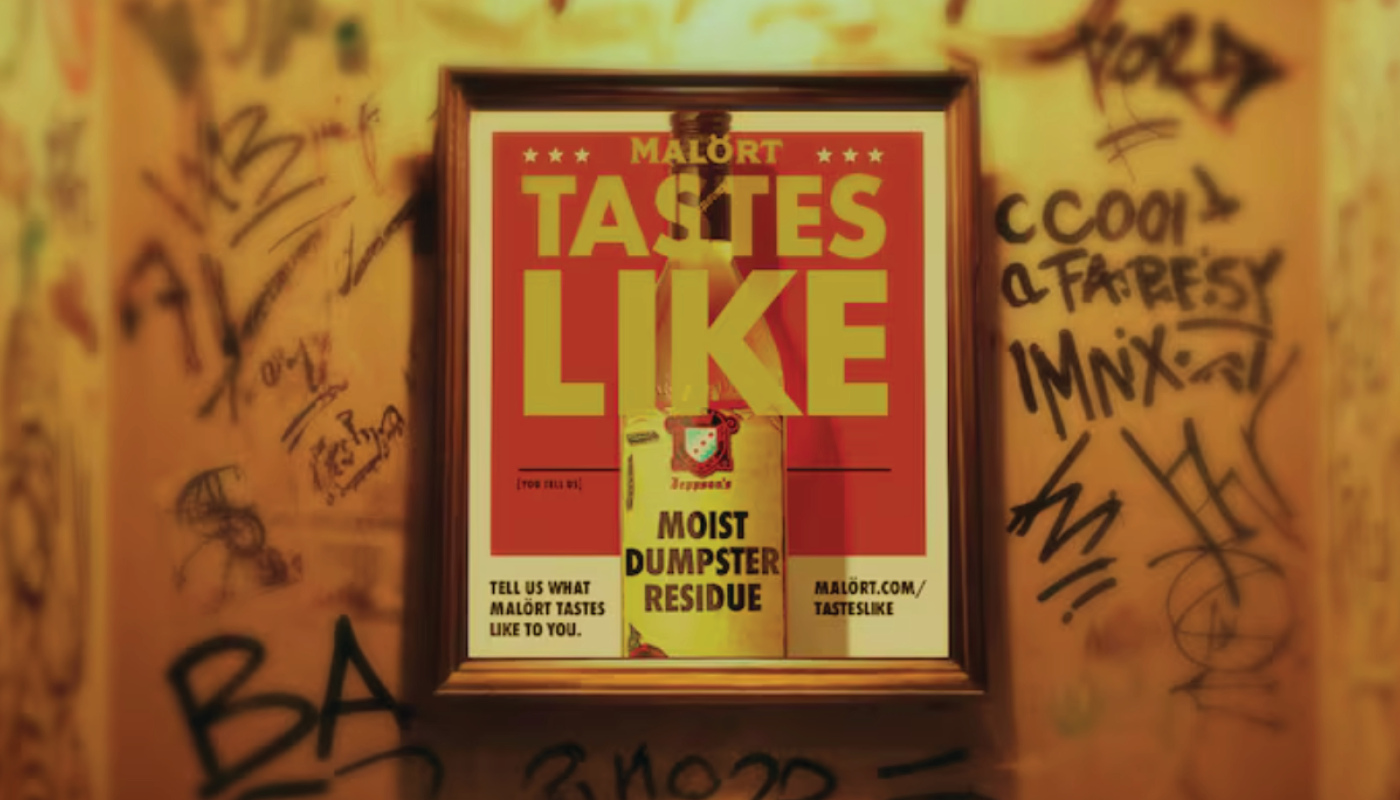
That's Uncomfortable Truth in action.
Three brands that stopped hiding the thing people react to and became impossible to forget because of it.
Now ask yourself: what is your brand still sanding down that could be the thing people actually remember?
If the answer is "the bit that divides people," that isn't a memorability problem you can fix with better advertising. It's one you fix by stopping pretending the divide doesn't exist.
Our programmes help brands find the tension worth owning and turn it into the thing people remember. Not just noticed. Remembered.
