

Is your brand doing too much to be remembered?
The Art & Science of Memorability
If there's one thing I've seen more times than I can count in this industry, it's the brief that tries to land everything.
Premium, sustainable, crafted, versatile, heritage, award-winning, perfect for any occasion. Seven messages, one label and a room full of people nodding along because nobody wants to be the one who says "can we lose some of these?"
That's the instinct in crowded categories. Add more. More messages, more design elements, more range extensions, more everything fighting for the same inch of attention. The assumption is that the noisier the space, the louder you need to be. But is it?
When everything competes, nothing leads, and the brands piling on more are often the ones people remember least. There's a well-evidenced principle behind this: the easier something is to process, the more readily we trust it, recall it and choose it. The more you ask people to decode, the less any single thing sticks.
More doesn't mean more visible, it often means more forgettable.
So what does the alternative look like? The most memorable brands practise radical simplicity. Not minimalism for its own sake, but a decision to be simple when everything around them says be more.
I call it radical simplicity and here's how that can look.
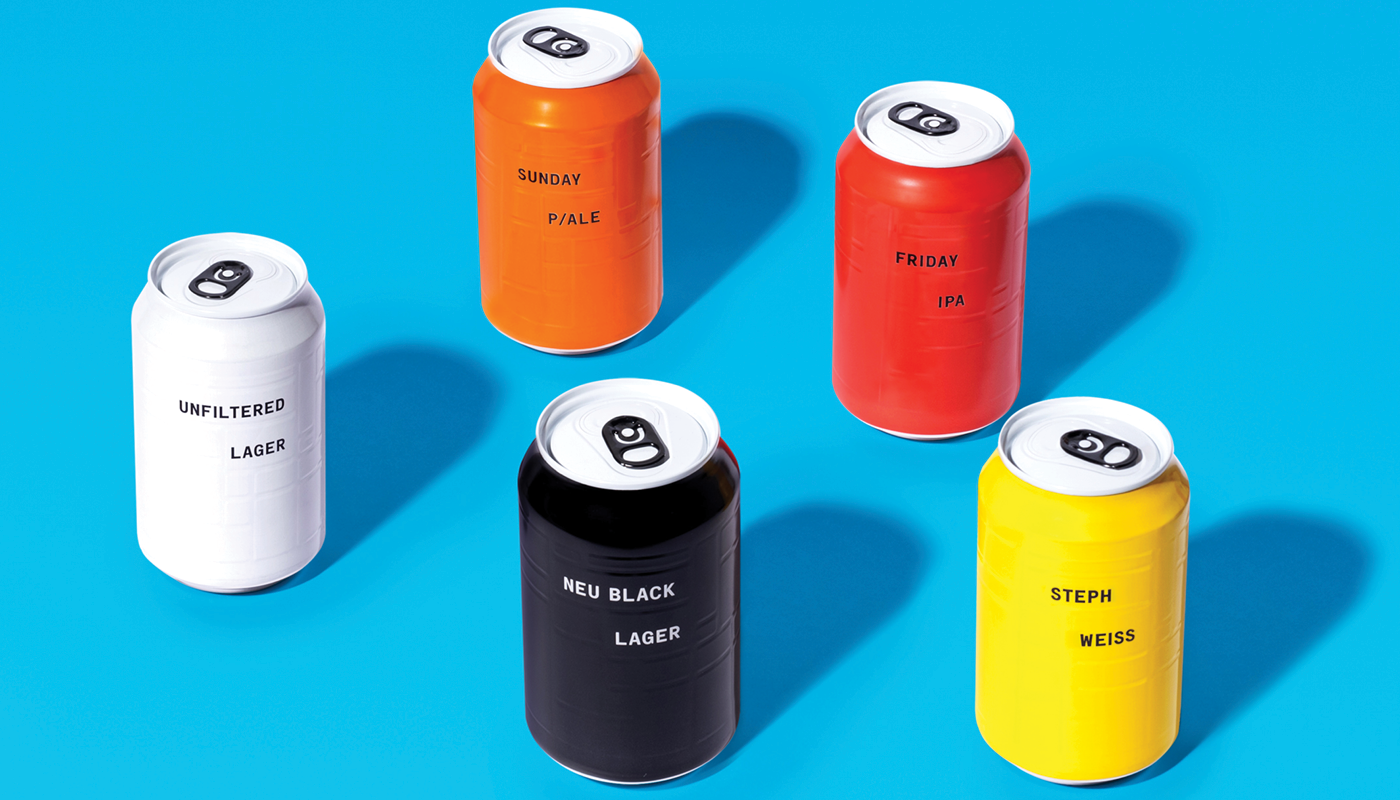
1. AND UNION built craft beer without the craft-beer clutter.
Not by filling the can with hops, badges, tasting notes and illustration. But with bold colour. One word. Nothing else. On a shelf full of visual noise, the quiet can is the one you notice.
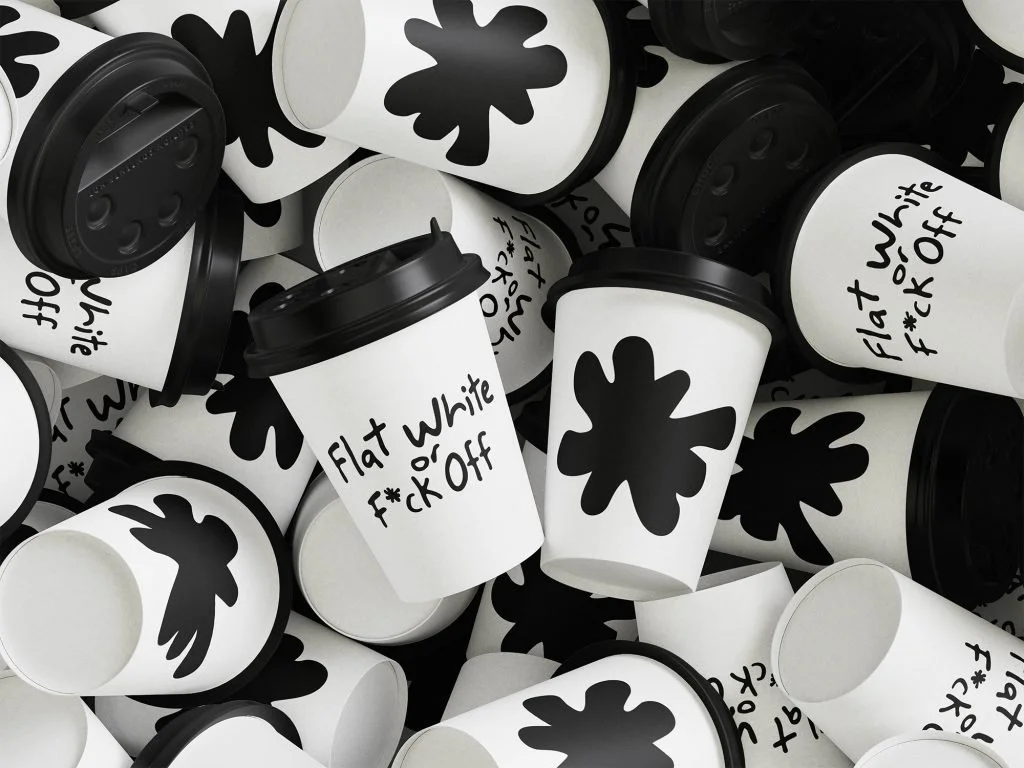
2. Flat White or F*ck Off reduced a coffee shop to a single decision.
Not by offering twelve milks, fifteen syrups and a blackboard the size of a wall. But with one drink. One name. One point of view. You do not remember the coffee. You remember the conviction.
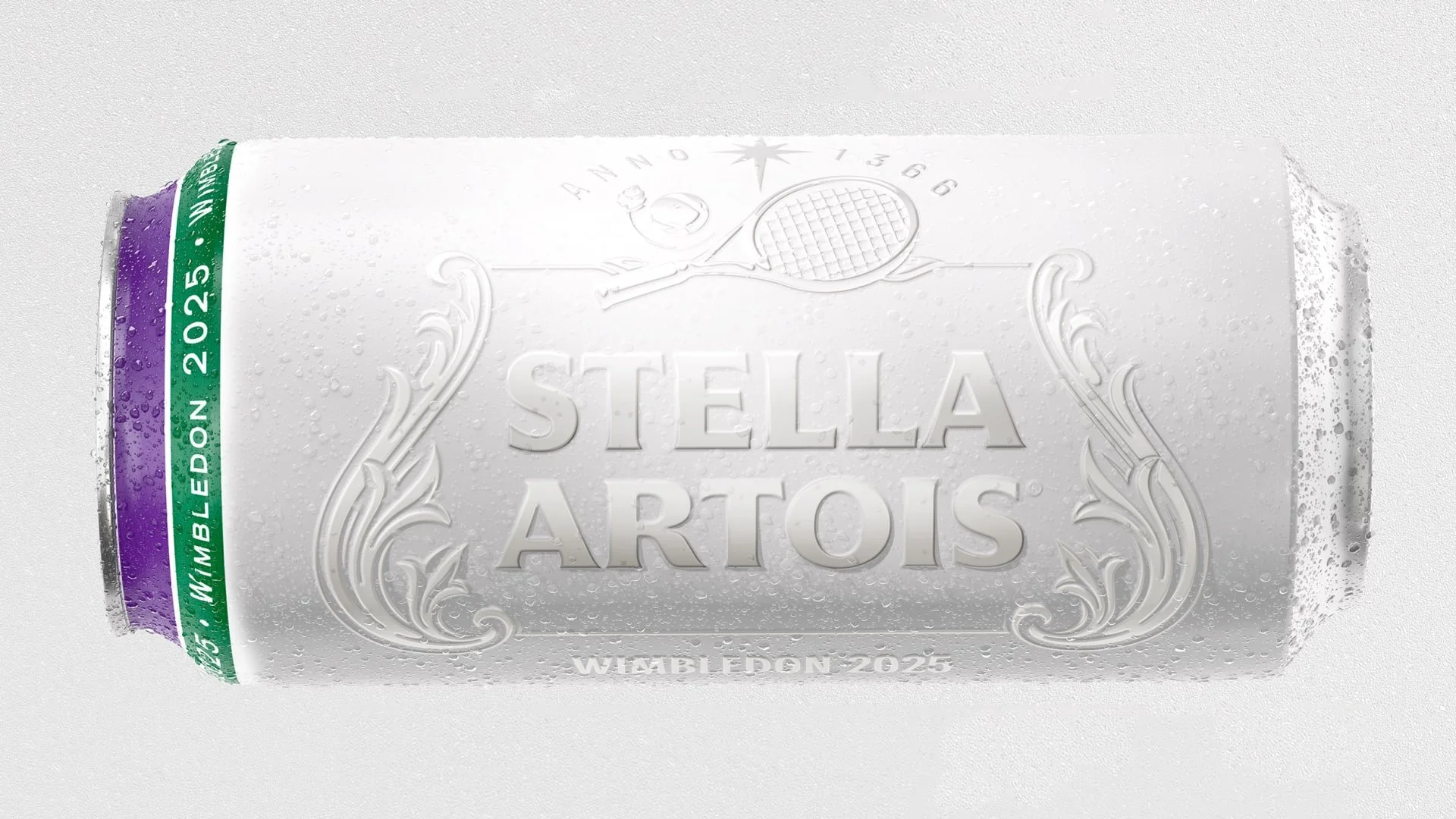
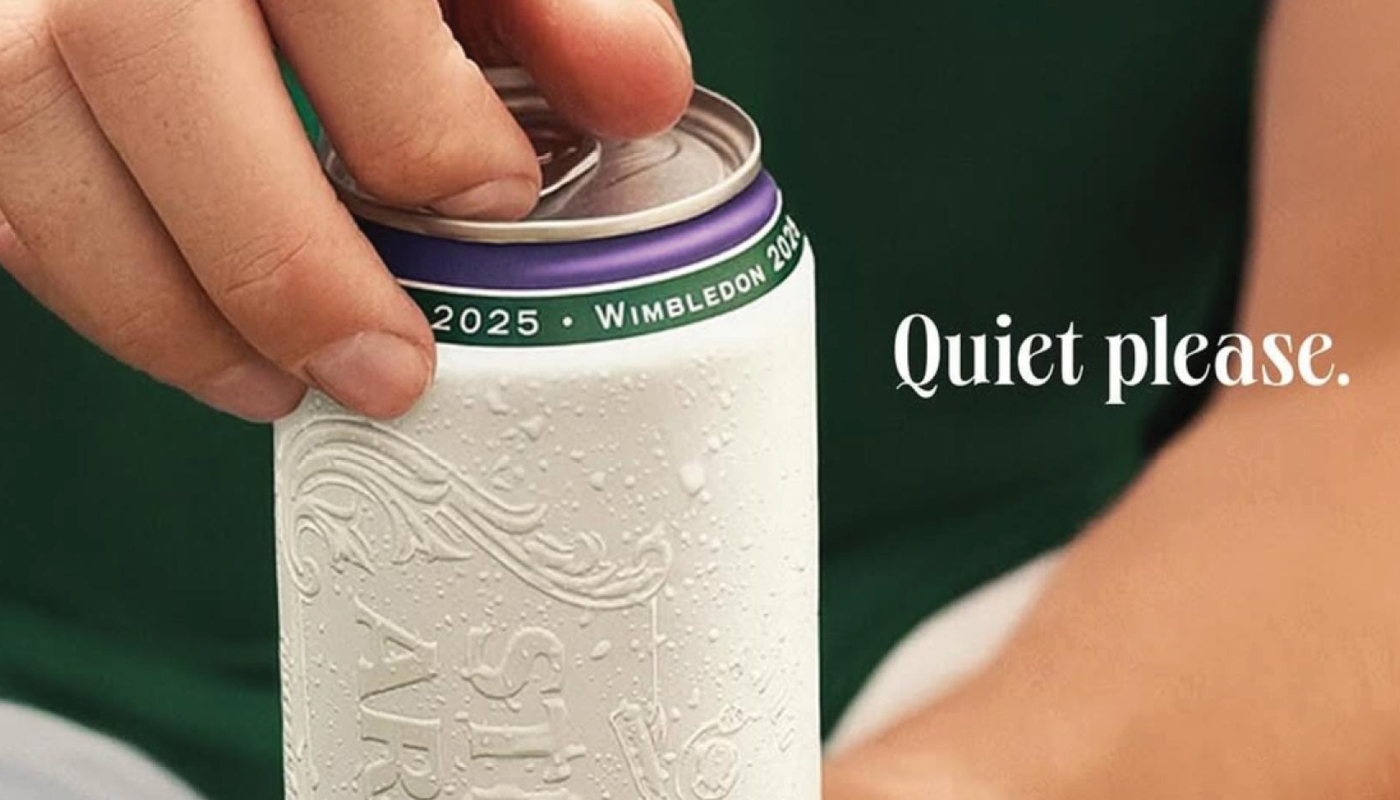
3. Stella Artois removed its most recognisable assets for Wimbledon.
The logo. The typography. The brand identity built over decades. Gone. Replaced with a plain white can carrying nothing but the colour of the tournament. A global brand so confident in what it had built that it bet people would recognise them without being told. They did. And they talked about it.
3x brands in noisy spaces that added less and became more memorable for it.
None of them got there by accident. They made a braver more memorable choice that most brands flinch from: deciding what to leave out. Because the instinct, especially in a crowded category, is always to add. One more message. One more asset. One more thing to be sure you're covered. And every addition feels like progress when it's actually just more noise to get lost in.
The brands people remember do the opposite, they work out what matters most and they have the nerve to let everything else go.
So here's the question worth sitting with: what is your brand still holding onto that's getting in the way of the one thing you want people to remember?
If you're not sure where to start, our programs are built for exactly this: helping brands cut back to what counts and become impossible to ignore because of it.
