

Ritson and Sharp agree on almost nothing. Except the one thing your brand can't grow without.
The Art & Science of Memorability
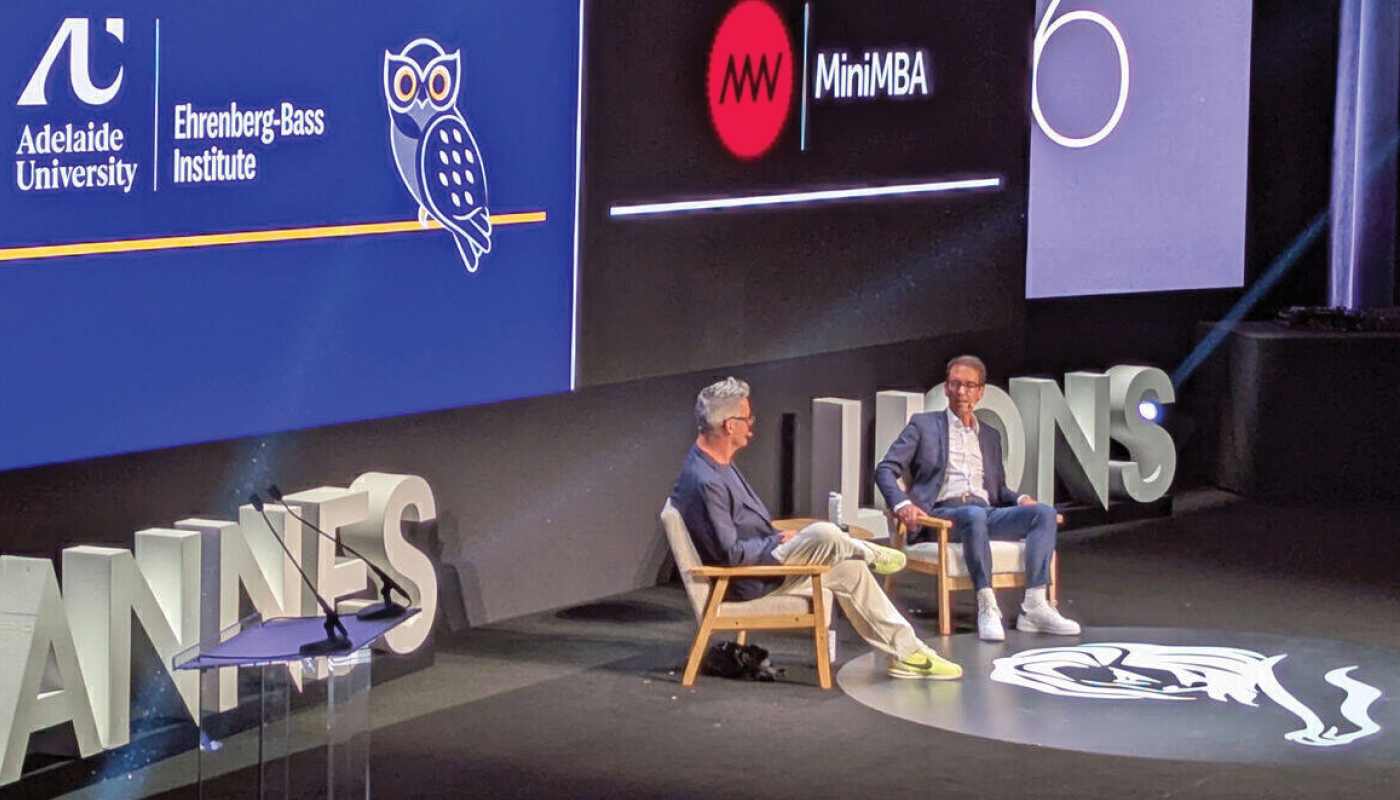
Two men have spent thirty years disagreeing with each other in public. It's not a side effect of their careers, it more or less is their careers. Mark Ritson and Byron Sharp built reputations and filled rooms largely by not agreeing.
So the interesting thing about the two of them sharing a stage at Cannes last week was never going to be another round of the fight. It was watching what happened when they stopped.
They stopped over one idea, and it happens to be the one this whole agency is built on: brand memorability. Getting your brand to come to mind at the moment someone's choosing, they agreed, is most of the job.
Ritson even put a number on it, then cheerfully admitted he'd invented it, his "bullshit number," before saying it anyway: be the brand that springs to mind and 70 to 80 per cent of the work is done. Sharp, who agrees with Ritson on roughly nothing, agreed with that.
And this is the part worth slowing down for. When two people who disagree for a living agree on something, the something isn't just another opinion. It's the floor. It's the thing so far down that both of them, coming at it from opposite ends, had to end up standing on it. They still scrapped over everything built on top, whether differentiation is real, how much a brand's image is doing, the usual.
But under the scrap, the ground they shared without argument was this: if a brand doesn't come to mind, none of the rest matters. You don't get the clever conversation about your positioning until you've won the dull one about whether anyone thinks of you at all.
What makes that land harder is where they said it. Cannes this year could not stop talking about AI. Every other stage was about machines doing the choosing and the future arriving dead on schedule. And in the middle of a festival sprinting toward whatever's next, the two men who've watched every "next" come and go pointed calmly at the oldest idea in the building. Not because they're nostalgic. Because it's the one thing that doesn't move. The tools change and the machines keep arriving, but a brand you can't bring to mind still isn't in the running, and one you can still is. That was true long before any of this, and it'll be true long after the current panic passes.
Which is why the thing they agreed on matters more than the things they didn't. The disagreements are the fun. The agreement is the foundation.
Brand memorability isn't the soft, decorative end of marketing you get to once the serious work is done. It is the serious work. It's the part that decides whether everything else you pour money into ever gets its chance to count. Thirty years of argument between them, and the one thing they both bowed to was memorability.
That's not a trend you can be early or late to. It's the job. It's also the one we built TBA to do: make brands impossible to ignoe, so yours is the one that comes to mind when it counts.
