

The tighter the rules, the better the chance of being remembered.
The Art & Science of Memorability
When a rule boxes a brand in, most just take it on the chin. Maybe grumble about fairness, but more often then not they follow it and wait for the whole thing to blow over. Almost nobody stops to ask whether the rule itself might be the best shot at being remembered they'll get all year.
The smartest ones do exactly that, just like Levi's.
At this year's World Cup, if you're not in the sponsorship club, your name and your branding have to disappear for a while. The rule is blunt.
At this year's World Cup, if you're not in the sponsorship club, your name and your branding have to disappear for a while. The rule is blunt: If you didn't pay to be an official sponsor, your branding comes of for the tournament, even when your name is on the building.
But a rule built to make brands vanish has done the opposite for Levi's. So what did they do?
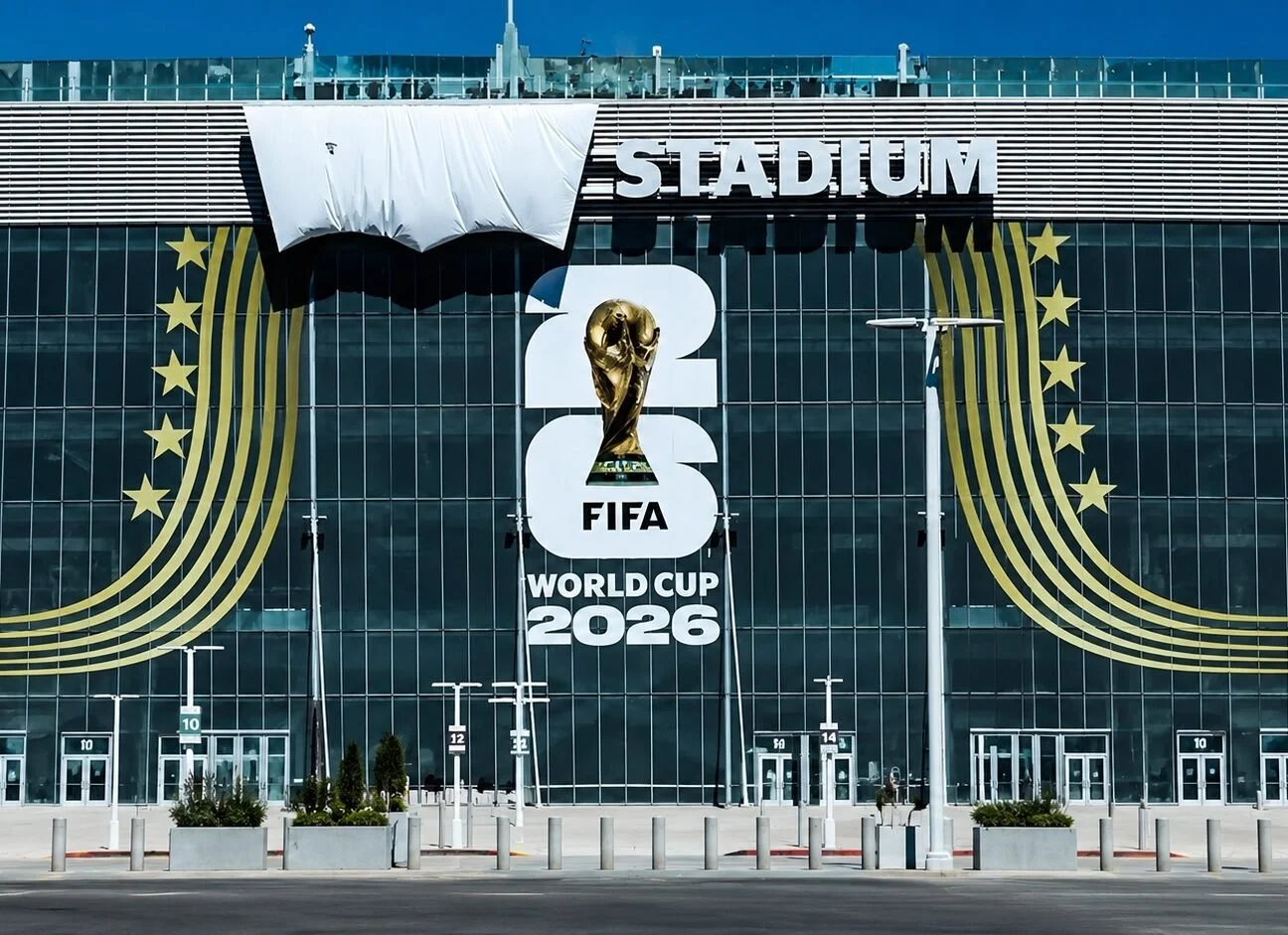
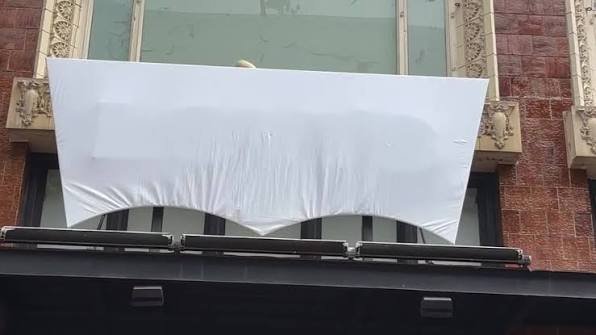
They followed the rule to the letter and covered the logo up, no drama. Except you can't really cover Levi's. That batwing gives it away even under a blank sheet, so everyone knew exactly whose logo was hiding under there.
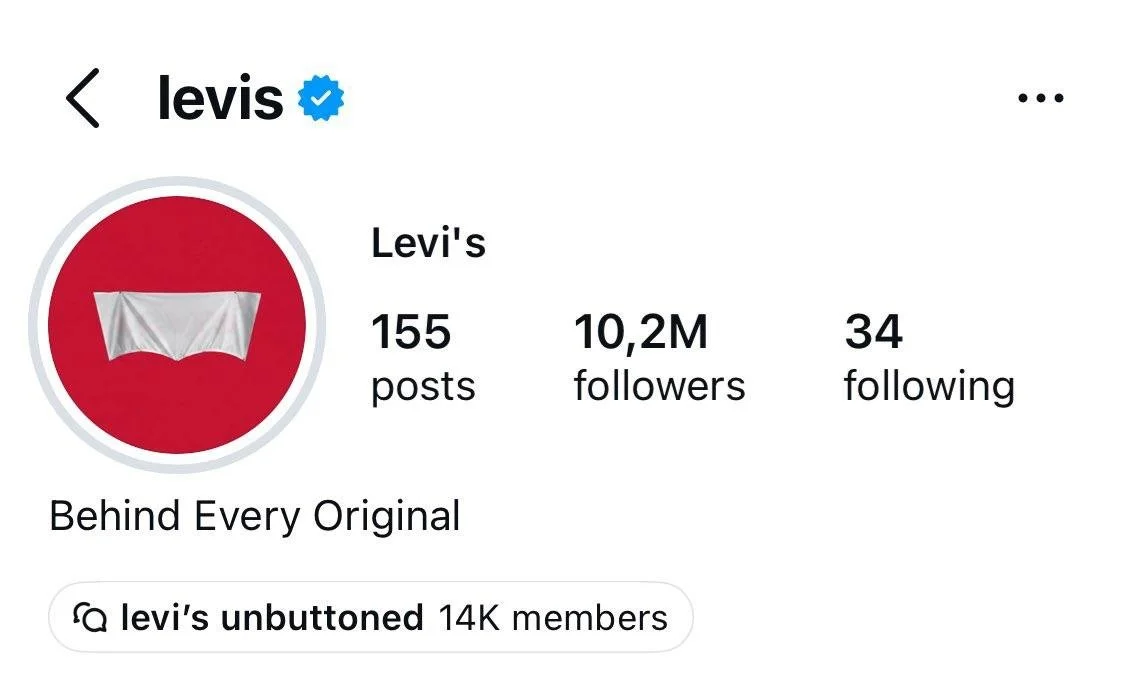
Instead of sulking about it, Levi's leaned in: they swapped their social profile pictures for the covered-up logo and posted it with a straight face, "welcoming the world to the beautiful [redacted] stadium."
A rule built to wipe them off the FIFA map became one of the loudest branding moments of the tournament.
But it's not a trick any brand can copy, and Gillette shows why. Same rule, its own stadium renamed "Boston Stadium," and Gillette played along with a wink, burying its sign under a pile of shaving foam and posting "at least we got to choose how we cover it." Sharp, and it got a laugh. Except foam doesn't say Gillette, it says razor or squirty cream.
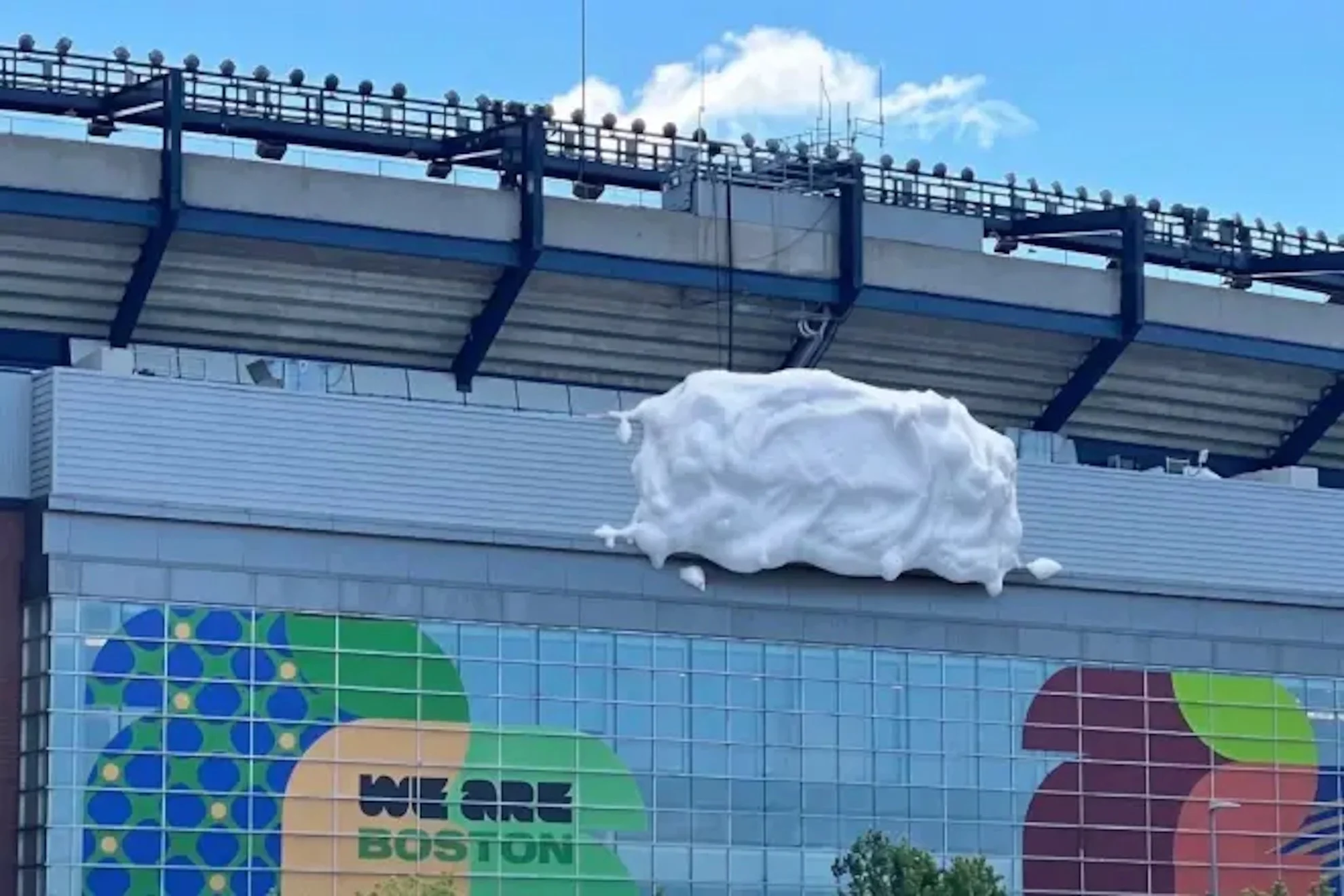
Cover the Levi's name and the shape still says Levi's. Cover Gillette's and they had to bring a prop, because there was nothing underneath doing it for them.
That's the test a tight rule really sets: take your name away and see what's left standing. Levi's had something. Gillette had to improvise. Most brands would have neither, which is why the same rule that made Levi's the talk of the tournament would leave them plain invisible.
So the bit worth stealing isn't the sheet or the foam. It's putting in the work now, so that if your name ever gets stripped off, what's left still says you. That's the whole job of being memorable, and Levi's just ran the version we call The Unexpected.
There are fifteen more where that came from and you can steal five of them below.
And if the honest answer is that your brand wouldn't survive the sheet, that's the work we do. Our programs are built to give a brand something a rule can't erase, so you're not crossing your fingers the day the cover goes on.
