

Why the 1960s “creative revolution” is exactly what 2026 needs
In an era of infinite scrolls and AI-generated “content” that says everything and nothing at once, we are looking backward to move forward.
We don’t just admire the 1960s DDB era for its mid-century aesthetic; we study it because it represents the last time advertising was truly honest. “Think Small” wasn’t just a headline, it was a coup. It was the moment brands stopped shouting at the audience and started inviting them into the joke.
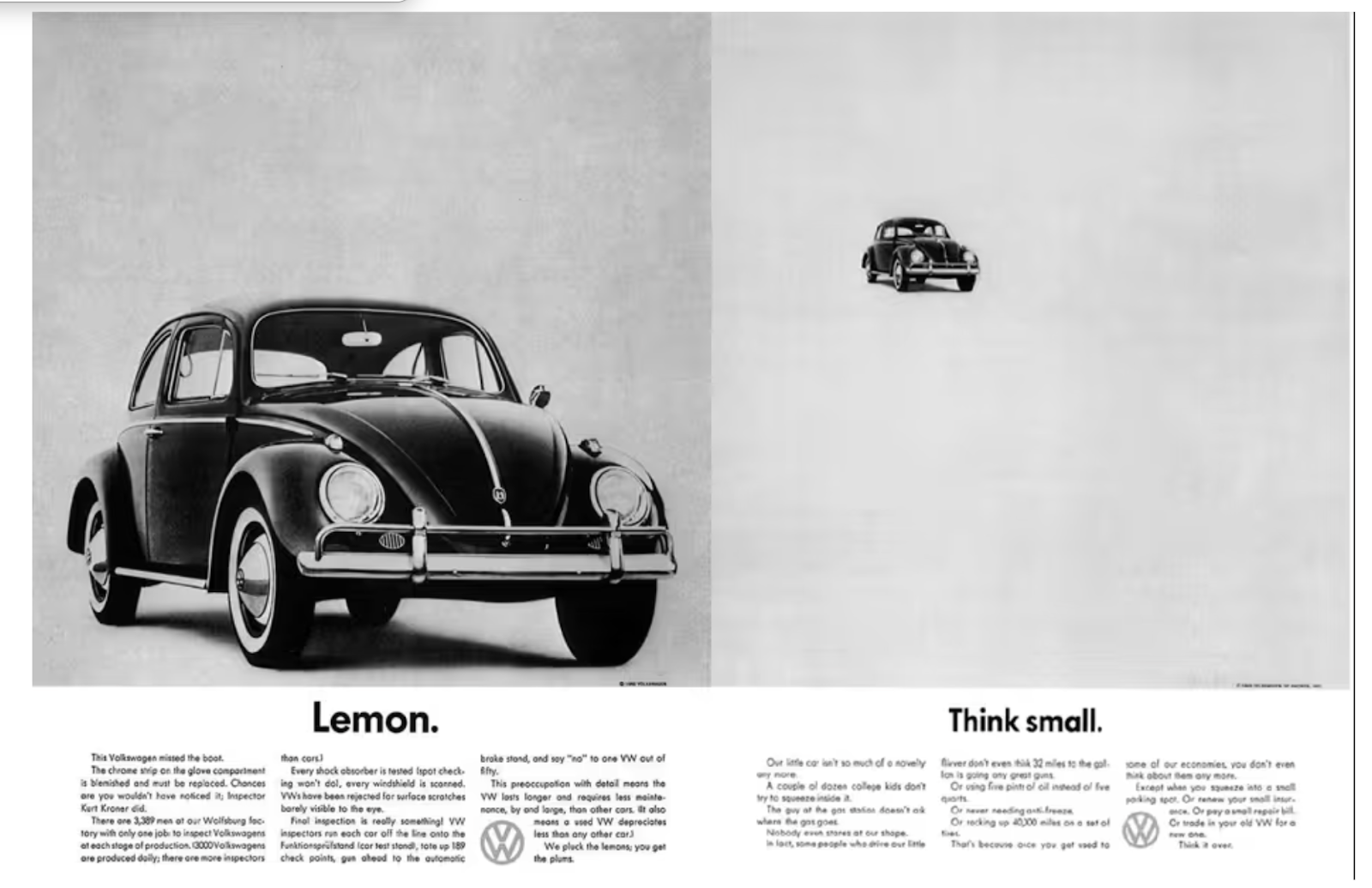
The “Golden Age” succeeded because it mastered two things we prioritise today: Motivation and Memorability. DDB didn’t just show a car; they motivated people to change their perspective on what a car should be. They didn’t just write a slogan; they created an image so distinct it became impossible to forget.
They achieved growth by combining this timeless creativity with modern strategy and design to help us:
Achieve total relevance by moving past the “noise” to find the one truth that matters to your audience right now.
Connect truly and deeply, moving beyond the transaction to start a real conversation.
Show up distinctly, using “pattern interrupts”—like the legendary white space of the 60s—to ensure you are never mistaken for anyone else.
Drive Brand Consistency by ensuring that every touchpoint carries the same “concept-first” DNA.
Why the DDB still win
Entering 2026, we are bringing back three fundamental DDB philosophies. These core principles are being re-implemented to ensure our clients are both undeniably relevant and absolutely un-ignorable.
White space is a superpower
In a cluttered feed, the bravest thing a brand can do is leave room to breathe. White space isn’t “empty”, It’s a spotlight. It signals confidence. It says, “We don’t need to scream to be heard.”
“We don’t need to scream to be heard.”
“We don’t need to scream to be heard.”
Respect the reader’s intelligence
The modern consumer has a PhD in “BS Detection.” They know when they’re being sold to. By using wit, irony, and dry humour, we treat the audience as an equal. We don’t explain the joke; we let them finish it.
The power of the flaw
Standard marketing tries to polish every edge. But in 2026, perfection feels robotic. DDB taught us that a “flaw”—whether it’s being the underdog (Avis’s “We Try Harder”) or being plain-looking (the VW Beetle)—is actually your greatest selling point. It’s what makes a brand human.
Concepts over content
The industry is currently obsessed with “content volume.” We’re told we need ten posts a week, three reels a day, and a constant stream of “stuff.”
We don’t need more “content.” We need more “concepts.” A concept is an idea so sharp it cuts through the digital fog. By combining high-level strategy with distinct design, we help brands stop being “filler” and start being “favourites.”
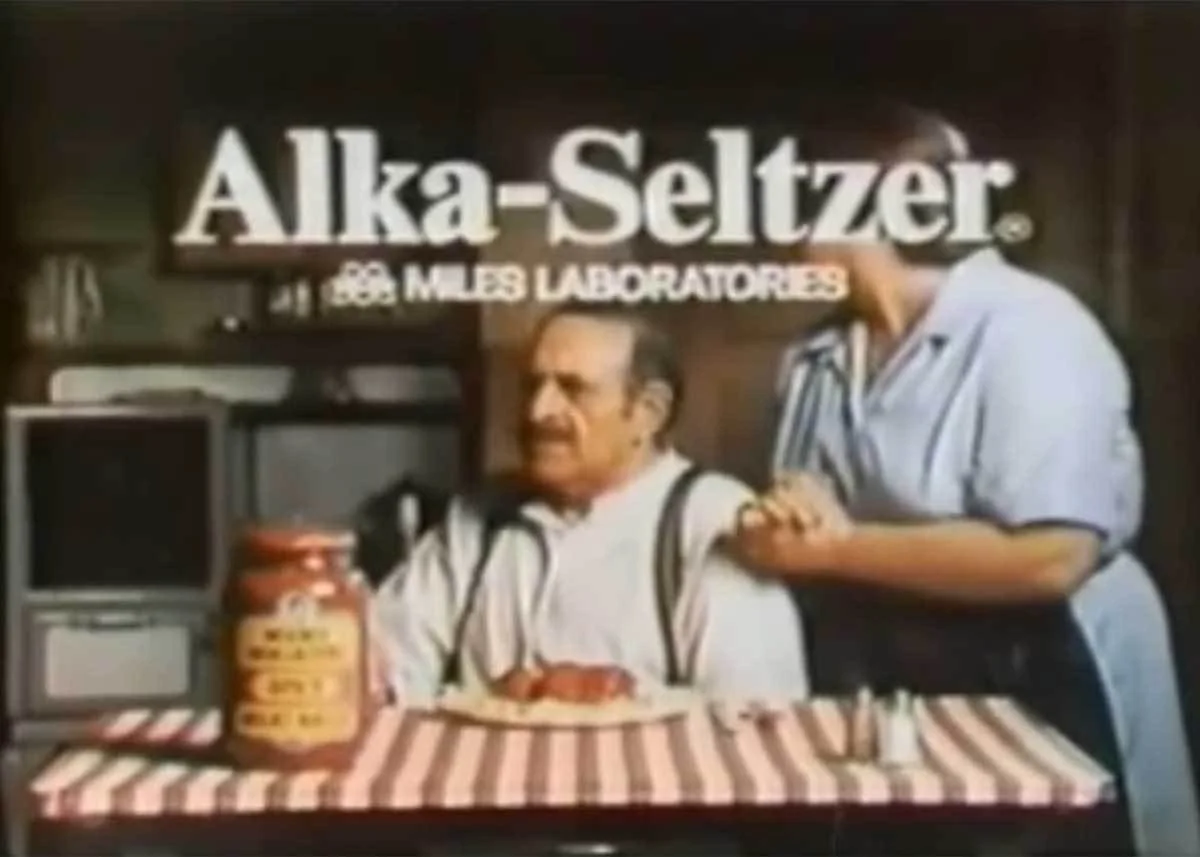
Alka-Seltzer: "The Spicy Meatball"
While primarily a TV revolution, the print and visual style remained grounded in the irony of the situation. It made a medical product feel human and funny.

Avis: "We Try Harder"
The definitive "underdog" campaign. By admitting they weren't #1, they made their service feel more personal and desperate to please.
As we look at the legacy of the 1960s, our mission in Manchester remains simple: bring back the wit, embrace the honesty, and for heaven's sake, give the copy some room to breathe.
"In an age of shouting, the person who whispers is the one who gets heard."
"In an age of shouting, the person who whispers is the one who gets heard."
The "DDB era" marks a profoundly influential period in the history of advertising, synonymous with the agency Doyle Dane Bernbach (DDB) and the creative revolution it spearheaded.
Ready to make your brand unignorable?
Take a look at our transformational programs, or get in touch today.
