

What can brands learn about being impossible to ignore from red carpet season?
The Art & Science of Memorability
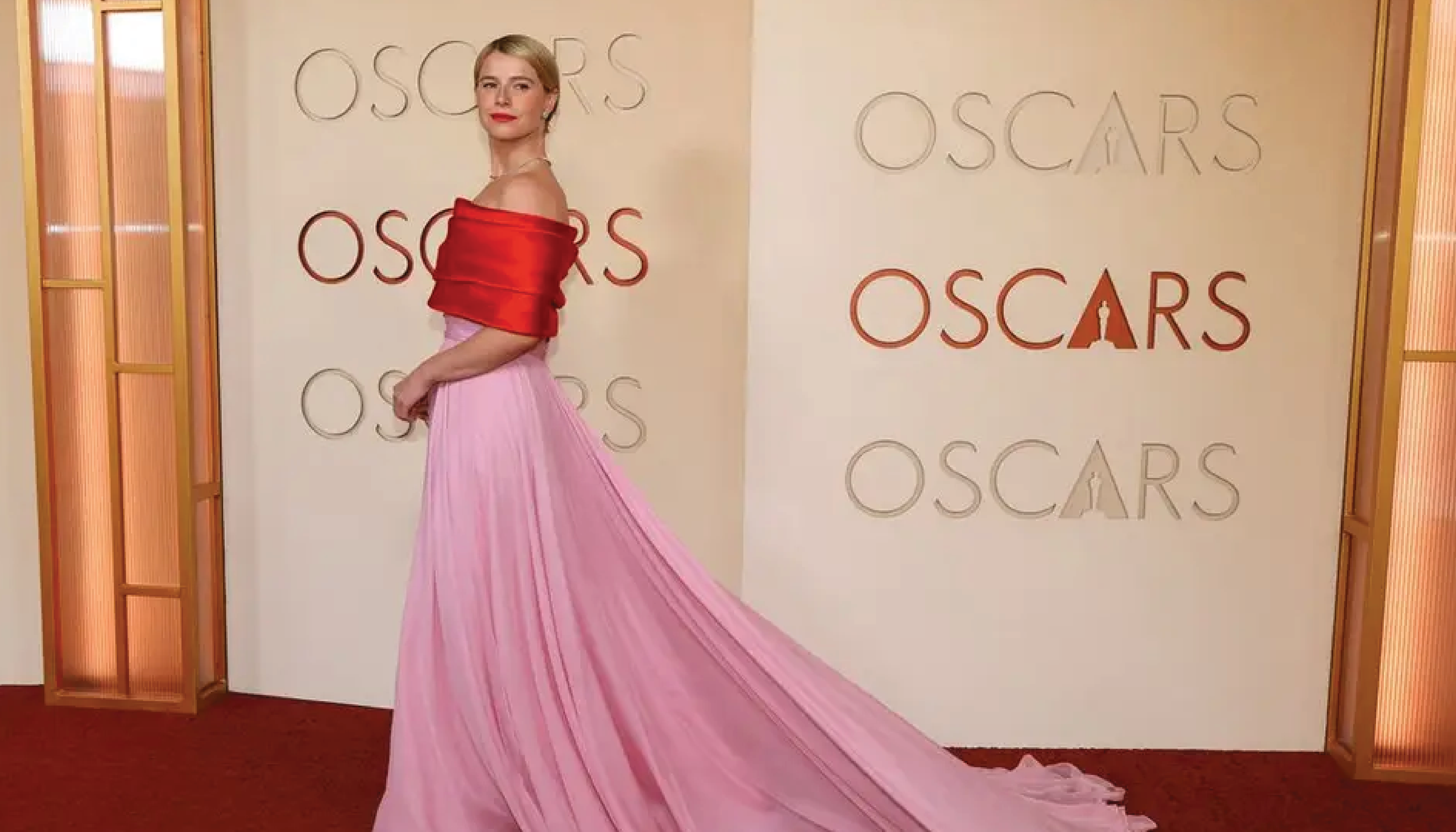
It’s been awards season.
BAFTA Awards. Academy Awards. Brit Awards.
The whole glittering, slightly absurd ritual of it.
The red carpet.
Three hours. Same stretch. Same cameras. Same goal:
Be remembered.
By the next morning, a handful of people are everywhere.
Shared. Debated. Memed.
The rest?
Gone.
Not because they weren’t talented.
Not because they didn’t look good.
Because they played it safe.
The red carpet = a masterclass in brand building
Think about the looks we still talk about:
Lady Gaga in the meat dress → unmistakable, impossible to confuse
Billy Porter in the tuxedo gown → category rule-breaker
Rihanna in the yellow Guo Pei gown → instantly iconic silhouette
Harry Styles blurring masculine/feminine tailoring → consistent character
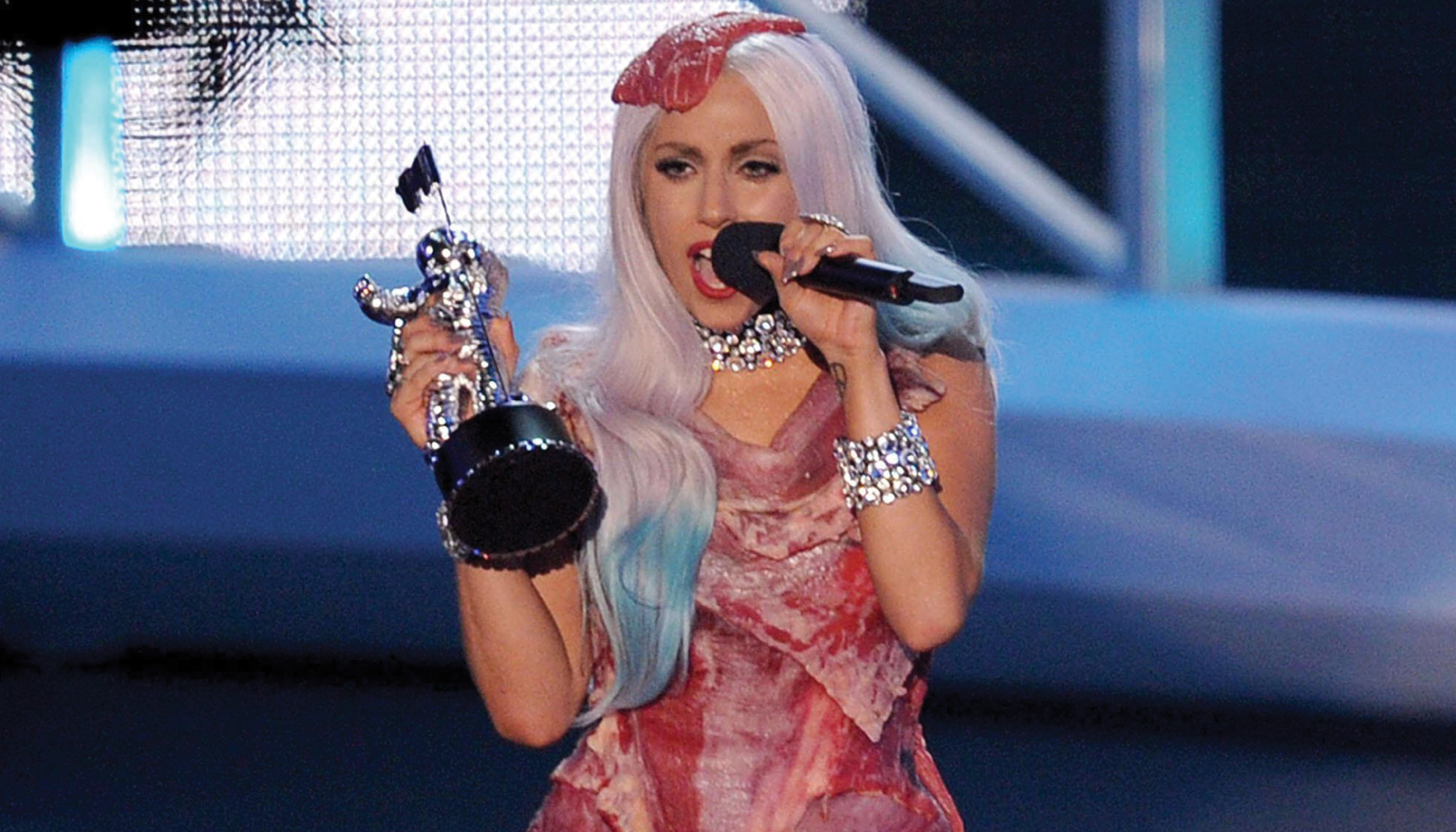
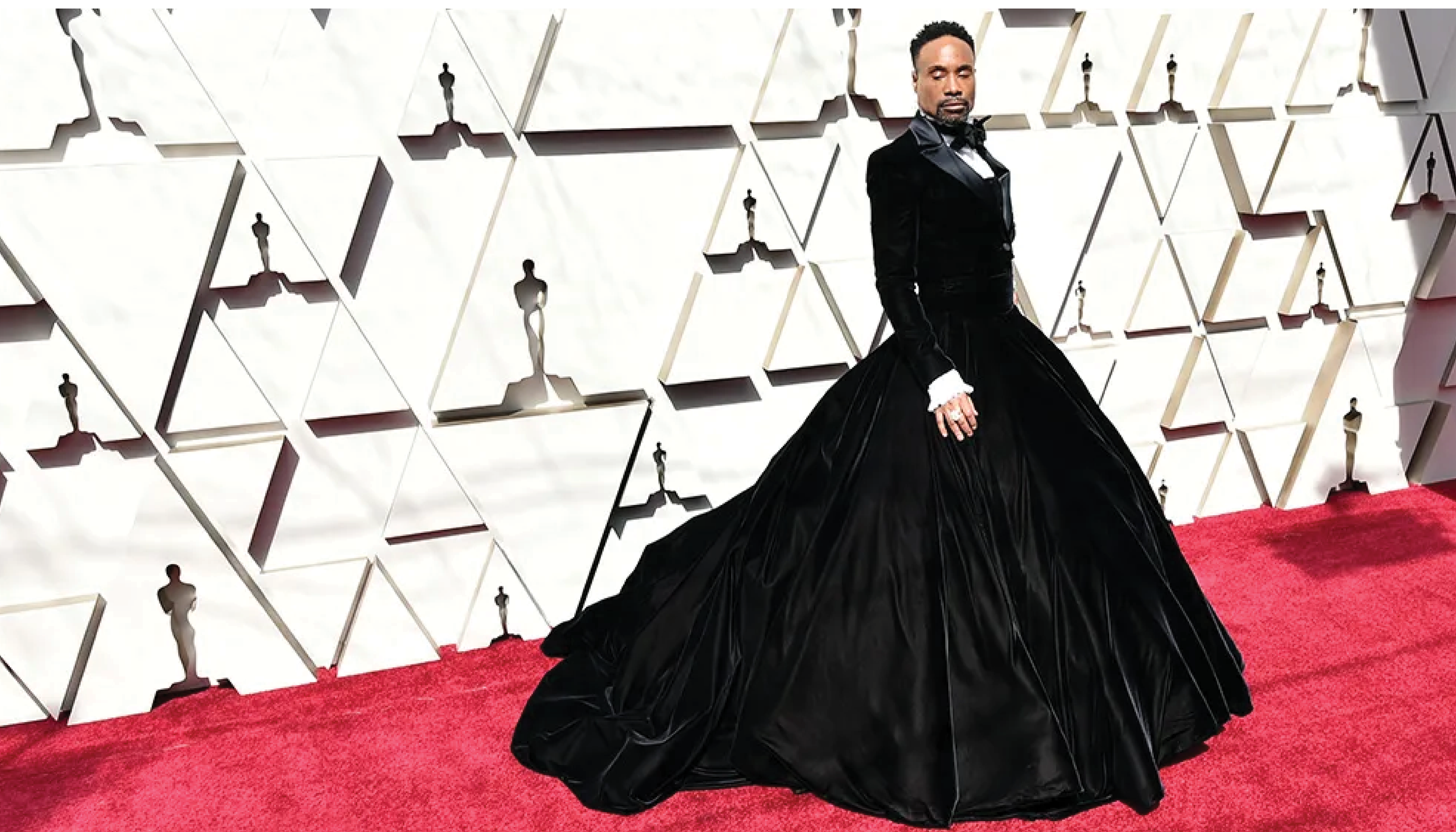
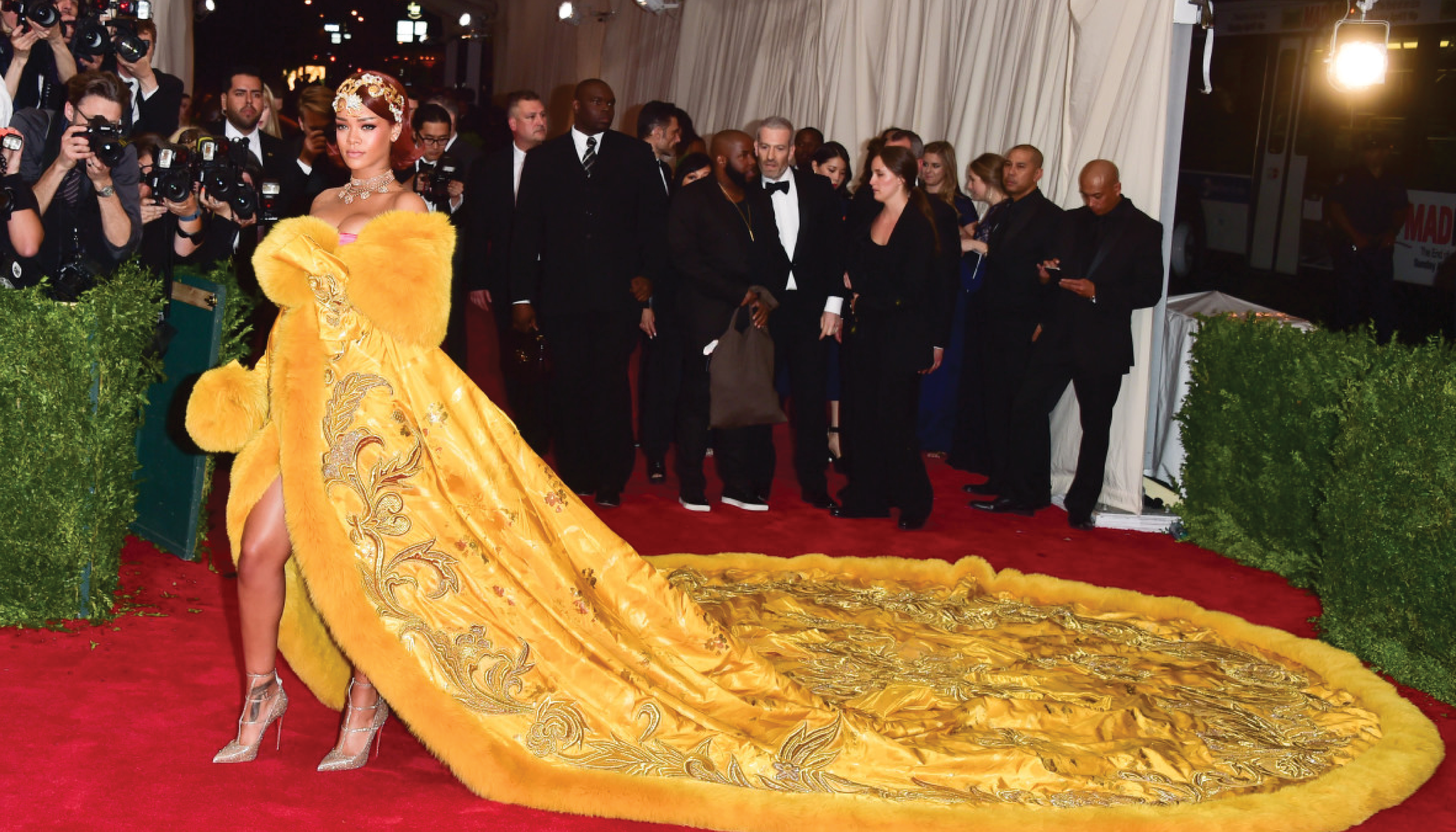
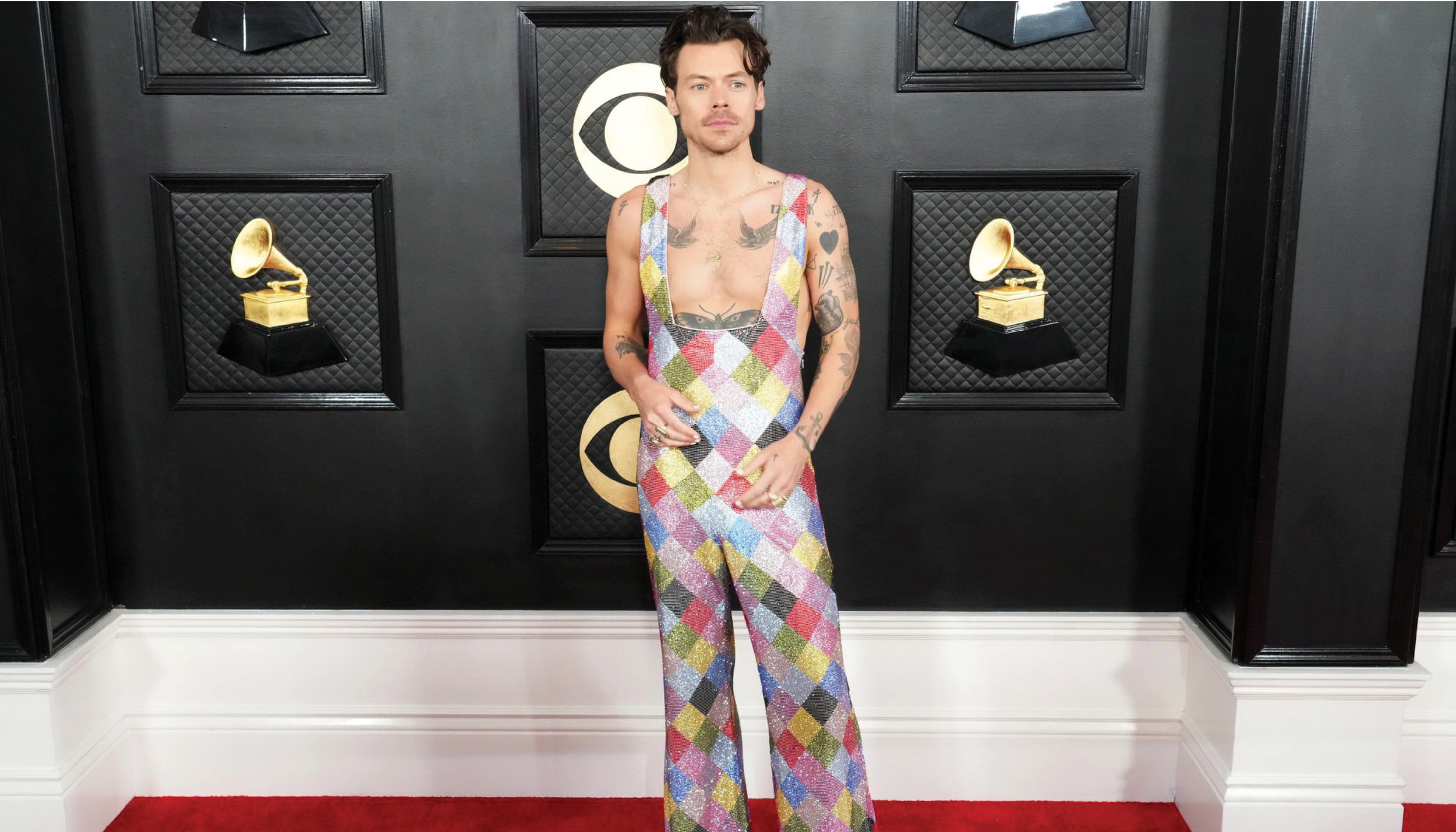
If I ever needed proof, my 10 year old daughter wasn’t born when Lady Gaga wore the meat dress.
Yet she told me about the event, as something I shouldn’t know about.
(Clearly I’m not cool enough to know Lady Gaga in her eyes).
So these aren’t just outfits.
They’re distinctive assets.
The fashion equivalent of:
Tiffany blue
McDonald’s golden arches
Nike’s swoosh
Recognised instantly. No explanation required.
Three lessons for brands for distinctiveness
1. Bold beats beautiful
Most people wear something “nice.”
A few wear something ownable.
The difference?
One blends in. One creates memory.
“Distinctive assets aren’t about taste. They’re about recognition at speed.”
System1 shows it clearly:
Fluent brands are chosen faster—not because they’re prettier, but because they’re easier to recognise.
The wrong brief: Make it look good
The right brief: Make it unmistakable
2. True beats stunt
Not every viral look lasts. Some get attention… then disappear.
Why?
Because people can smell when it’s forced.
Compare:
Gaga → fully aligned with her identity
Random shock outfit → attention with no meaning
Distinctiveness sticks when it feels earned
For brands:
Chasing trends = short-term noise
Building from character = long-term memory
If it doesn’t feel like you, it won’t stick to you.
3. Consistency compounds
No one becomes iconic in one look.
It’s repetition:
Same codes
Same attitude
Same signals over time
That’s how memory builds. Familiarity isn’t boring. It’s profitable
Every time you change what’s working:
You reset memory. You give ground back to competitors.
The most memorable brands aren’t the most creative once.
They’re the most consistent over time.
The commercial reality
Brands don’t fail because they lack creativity.
They fail because they interrupt their own momentum.
They:
Refresh too early
Tweak distinctive assets
Chase novelty over fluency
And slowly… disappear.
Meanwhile, the brands that hold their nerve:
Get recognised faster
Get chosen easier
Command a premium
Final thought
The red carpet closes. The cameras go home.
But the looks that cut through?
They stick.
Because they were:
Bold enough to stand out
True enough to feel real
Consistent enough to compound
That’s memorability.
If your brand keeps changing but nothing sticks, it’s not execution. Its foundations.
Our Brand Renovation Programme builds the distinctive assets worth holding.
