

Unlocking the power of behavioural science in copywriting
It's a noisy world out there. Sometimes, the louder brands shout the more people switch off and ignore what they have to say. Our recent masterclass ‘The Anatomy of Language’, was designed to help you cut through this noise with messaging that not only grabs more attention, but drives action.
To do this, we dissect language through the lens of behavioural science (hence the name “The Anatomy of Language”)
But don’t worry, behavioural science isn’t just a boffins game. We’re here to show you how it can be used easily and effectively in your everyday brand and marketing comms, with a particular focus on using behavioural biases.
What is the role for behavioural biases in language?
Our brains are hardwired to use shortcuts, to help us make decisions quickly and efficiently. These are known as behavioural biases. These biases can lead to predictable errors in judgment, which allows us to devise language that can intercept and influence decisions to go one way or another.
For example, Concreteness is a behavioural bias that tells us if something is so abstract that we can’t understand it in the context of our own life or world, then it’ll be ignored. This provides us with the opportunity to take abstract language and make it more tangible in the minds of the audience.
A very famous example of using the Concreteness bias, is Apple and the launch of the iPod.
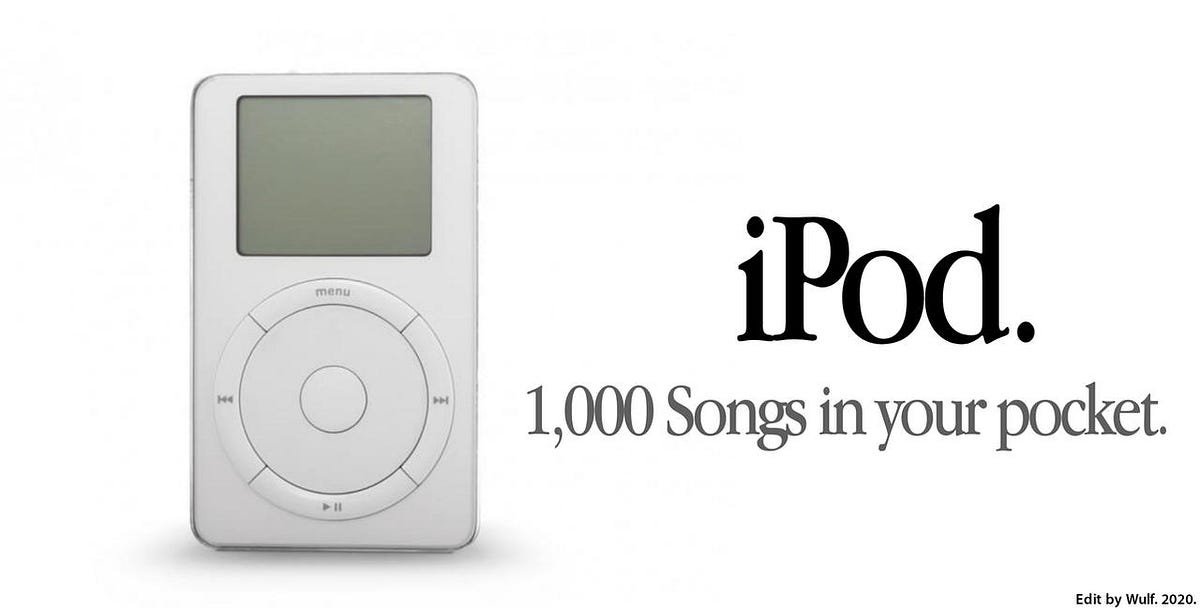
While competitors like Samsung were talking about music storage in Megabits, Apple decided to simply say “1000 songs in your pocket.” Making the idea of carrying music around with you much more tangible.
This is just one of the biases we explore in the masterclass. With examples for many more of how each bias can be used by you in your brand and marketing.
How do you choose the right bias to inspire your copywriting?
There are literally hundreds of biases (you’re probably familiar with a few like FOMO and Scarcity). Identifying which bias to use in your comms can be overwhelming. That was until we created our METRIC System which categorises biases into six key areas that influence human decision-making. By understanding these categories, you can start to identify which biases might be most relevant to your target audience and use them to craft more persuasive copy.
Here’s a sneak peek of just one of the areas of influence in METRIC.
Effort - We're inclined to choose the path of least resistance.
As humans, we look for shortcuts, we want to get there quicker, easier and without fuss. The behavioural biases in here help us create this experience for people. For example, Chunking, Goal Gradient and Personal Investment.
There are of course 5 more areas of influence… all are revealed in our Anatomy of Language masterclass.
Want to learn more?
This is just a taste of what you'll learn in our online masterclass. If you're interested in diving deeper into the world of behavioural science and copywriting, contact us now.
