

Pleasure over Pride: The Motivation Gap threatening Home & Garden brands
If you were sitting in the audience at our recent session at the Boutique Home & Garden Conference, you would have seen us play a quick game of ‘Spot the Difference’.
We put four living spaces on the screen from four major UK brands: Sharps, Wren, Hammonds, and Neville Johnson. We stripped the logos off the bottom corners and asked a simple question: Can you honestly tell them apart?
The answer from the room was a resounding no.
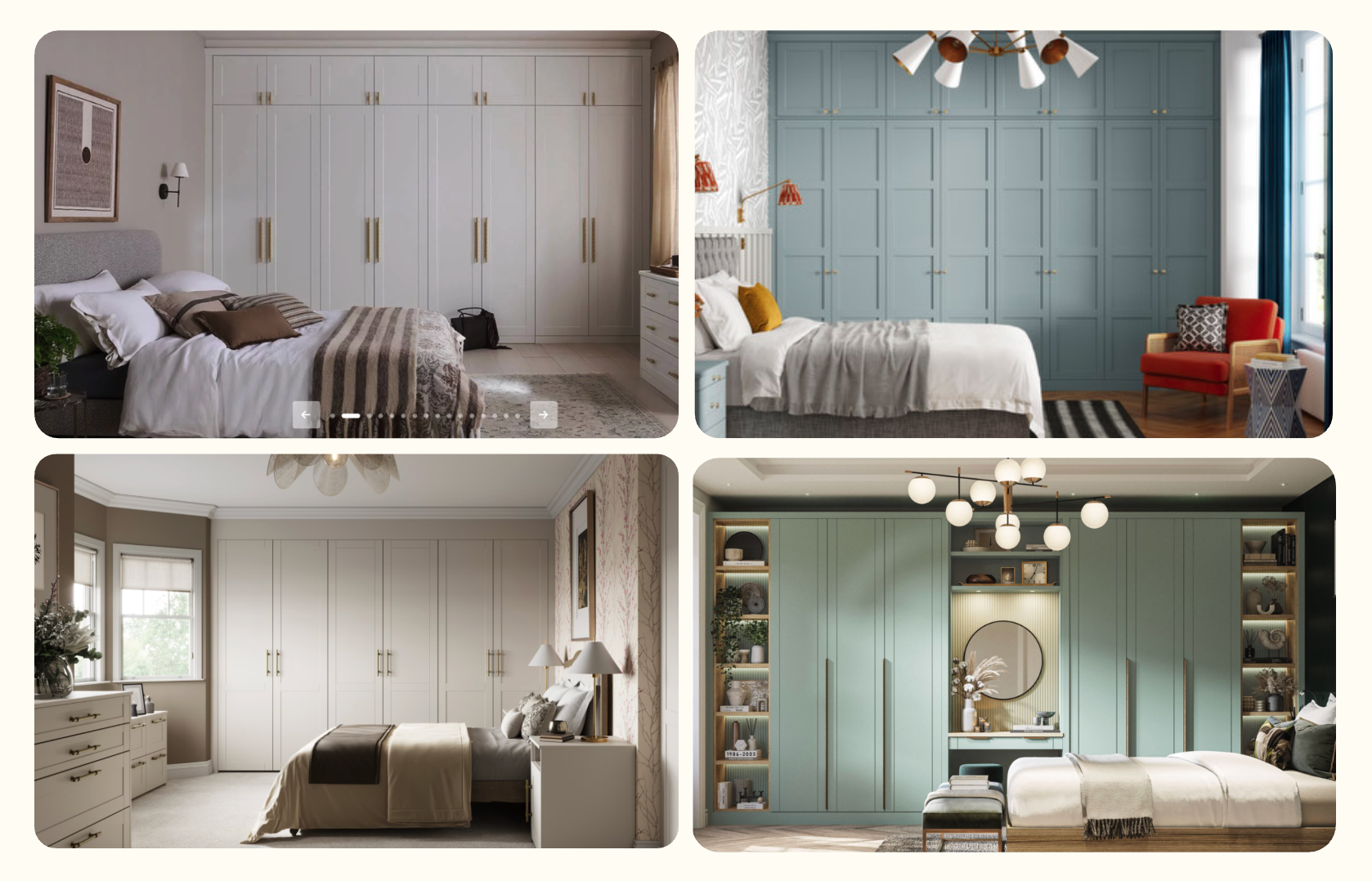
These four photos are from four different brands. Can customers tell the difference?
And that’s because the Home & Garden sector currently has an industry-wide case of copying each other’s homework. Brands are completely obsessed with a holy trinity: Perfection, Pride, and Creativity. We show pristine, perfectly lit rooms with a distinct lack of everyday clutter - not a single stray coffee mug or children's toy in sight.
But there’s a massive problem with this approach. And it’s one that behavioural science exposes instantly: everyday consumers don't actually care about it.
At The Behaviours Agency, our core philosophy is simple: When you become memorable, everything else becomes possible. But you cannot build long-lasting memory structures if your brand blends seamlessly into the category background.
The spot the difference trap
To understand why the Home and Garden category has reached a point of creative stagnation, our strategy and research teams recently ran an extensive semiotics study, diving headfirst into the visual language and messaging used across the entire market. Alongside this, we commissioned a comprehensive consumer survey of 1,000 Brits to uncover what actually drives their home improvement choices.
The results highlighted a classic double-whammy challenge for senior marketers:
Zero Distinctiveness: Because everyone follows the same flawless home playbook, brands are failing to build distinctive brand assets. They are invisible.
The Motivation Mismatch: Behavioural science shows us that chasing cold, intimidating perfection doesn't reflect how real humans think, feel, or make purchase decisions.
We are screaming about marble islands to a consumer base that is looking for something entirely different.
Enter The Motivation Gap
Our unique Motivation + Memorability approach is built on unlocking the deep, subconscious behaviours that drive real brand growth. When we mapped our consumer findings against the 12 core human motivations defined by behavioural science (see Motivation Wheel below), we spotted a profound narrative shift.
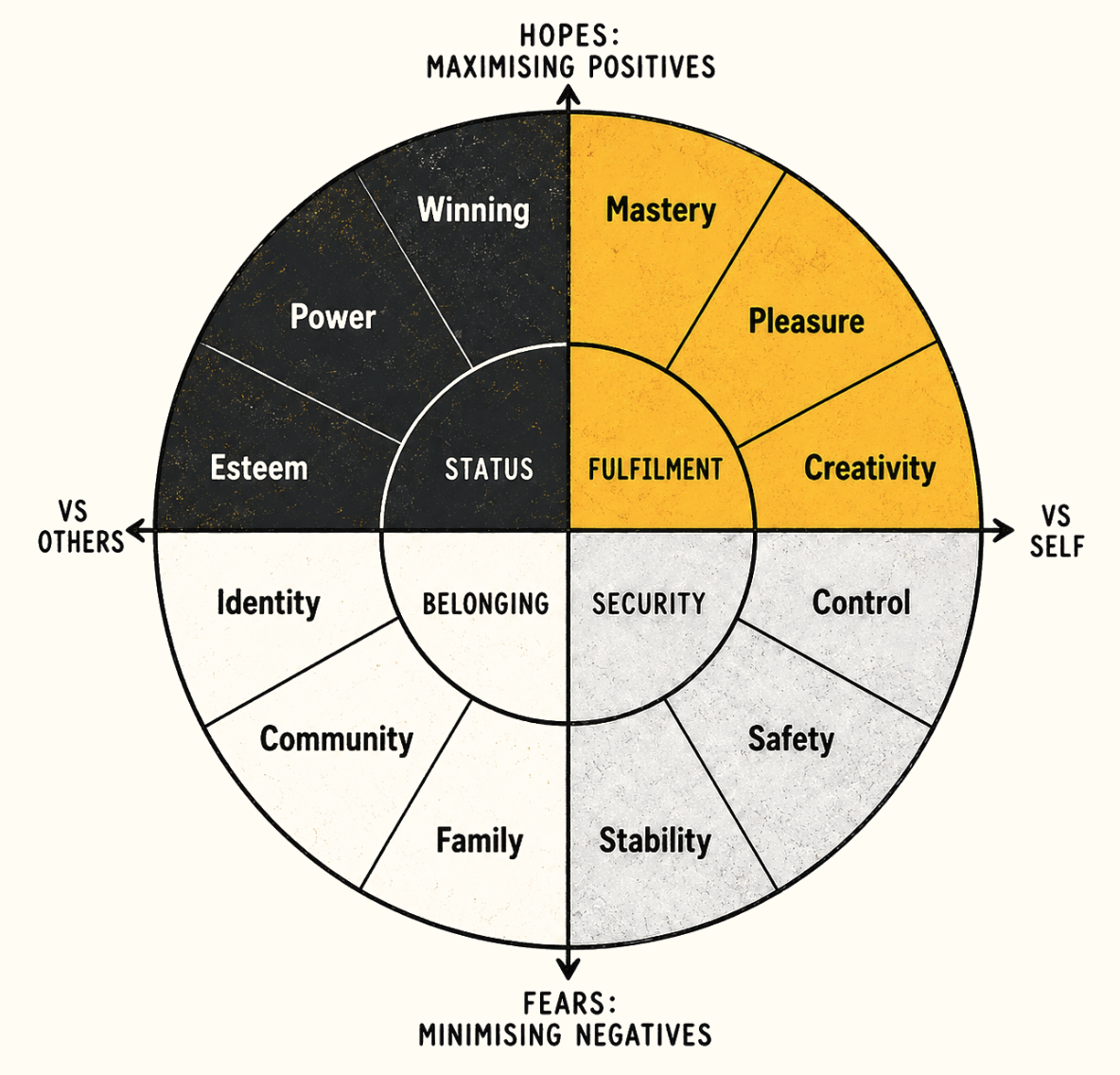
The industry is selling Pride. But the consumer is buying Pleasure.
Look at how the numbers break down when you ask real people why they tackle home improvements:
54% say they do it simply to make their home a more enjoyable place to live.
44% want to improve the space specifically for their family's comfort.
Fewer than 10% actually care about impressing others, showing off, or status.
Home projects aren't about bragging rights anymore; they are about personal well-being. In a world where hybrid working keeps us indoors, social lives have shifted to hosting at home rather than going out, and external economic pressures remain high - our homes have become our ultimate emotional sanctuaries.
Yet, most brands are still stuck selling the what (the paint colour, the cabinet door) or the how (the interest-free finance, the seamless installation). Almost nobody is selling the why: pure, lived pleasure.
By failing to connect with this primary driver, brands are leaving a massive motivation gap wide open.

5 ways to bridge the gap and build memorability
If you want your brand to achieve total relevance, connect with people truly and deeply, and become completely un-ignorable, you have to shift the narrative.
Here is a 5-point playbook to evolve your Home & Garden marketing strategy:
1. Lead with a lived feeling of pleasure
Don't start your advertising with product specifications. Lead with the emotional payoff of the space. Sell the deep, restorative breath someone takes when they walk into a beautifully organised room, and then let your clever product features prove how you deliver that feeling.
2. Design for motivations, not demographics
Age, income bracket, and region tell you very little about why someone wants to paint their living room. Group your audience by what they want to feel in their homes - whether that's a desire for absolute calm, a need for family connection, or a craving for creative expression.
3. Merchandise for moments, not specifications
Stop showcasing empty, sterile showrooms. Human brains are wired to remember stories and emotion, not product lists. Place your products right at the center of the beautiful, chaotic, messy moments of real life. Show the kitchen island covered in flour because a family is baking together on a rainy Sunday morning. Sell the moment, not just the marble.
4. Recode the semiotics
It's time to ditch intimidating perfection. Consumers give advertising a nanosecond of attention; if they can't see themselves in your imagery, they tune out. Embrace warmth, real textures, and beautiful imperfections so your brand shows up in a distinct, human way.
5. Measure the mood
Go beyond surface-level digital attribution models. Start tracking the emotional resonance of your brand. Are your campaigns driving feelings of comfort, inspiration, and joy? Measuring the emotional stickiness of your creative is how you build long-lasting memories that drive sustainable sales growth.
Summary
The UK home improvement market is a £30bn powerhouse, but the brands that win the next decade won't be the ones boasting the tightest miter joints or the glossiest brochure pages. They will be the ones that deeply understand human behaviour and optimise for it.
Whether you managed to catch our talk at the Boutique H&G Conference or missed out on the day, we have just unlocked the full findings behind this behavioral shift in our brand-new deep-dive research: The Motivation Gap Report.
If you're ready to transform your brand, drive growth, and become totally un-ignorable, you can view a free copy of the full report here.
Alternatively, if you'd like to discuss how we can apply our Motivation + Memorability framework to your brand challenges, let's talk.
