

Co-op
Driving incremental growth with a Behavioural Retail Audit
Services Behavioural Retail Audit, Behavioural Science, Retail Strategy
Pathway One More Thing
In an era of hyper-convenience, the biggest challenge for bricks-and-mortar retailers isn’t just getting people through the doors, it’s stopping them from leaving too soon.
Shoppers have become masters of the mission. They enter with a mental checklist, navigate the aisles with blinkered efficiency, and head straight for the checkout. For a retailer, this autopilot behaviour is a growth killer. It caps basket size and turns the retail experience into a purely functional transaction.
By applying behavioural science to the retail environment, it’s possible to identify the hidden psychological barriers that prevent shoppers from exploring - and the subtle nudges that encourage them to add an incremental item to their basket.
THE CHALLENGECo-op faced a challenge familiar to every major retailer: customers were executing their missions with clinical efficiency. To drive sustainable growth, Co-op needed to unlock the incremental, unplanned purchase that increases basket size without causing shopper friction.
The goal was clear: How do we encourage shoppers to buy one more thing at every visit?
THE SOLUTIONWe partnered with Co-op to develop a Behavioural Retail Audit - a program that went beyond a desk-based theory exercise.
To ensure a representative view of the client’s diverse estate, our team conducted intensive on-site audits across multiple store locations. These stores were carefully selected to cover a range of formats - from high-footfall urban on-the-go sites to larger suburban community hubs. We also visited several key competitor stores.
By physically walking the aisles of these locations, we were able to observe real-time shopper friction and identify the leaky buckets where incremental spend was being lost.
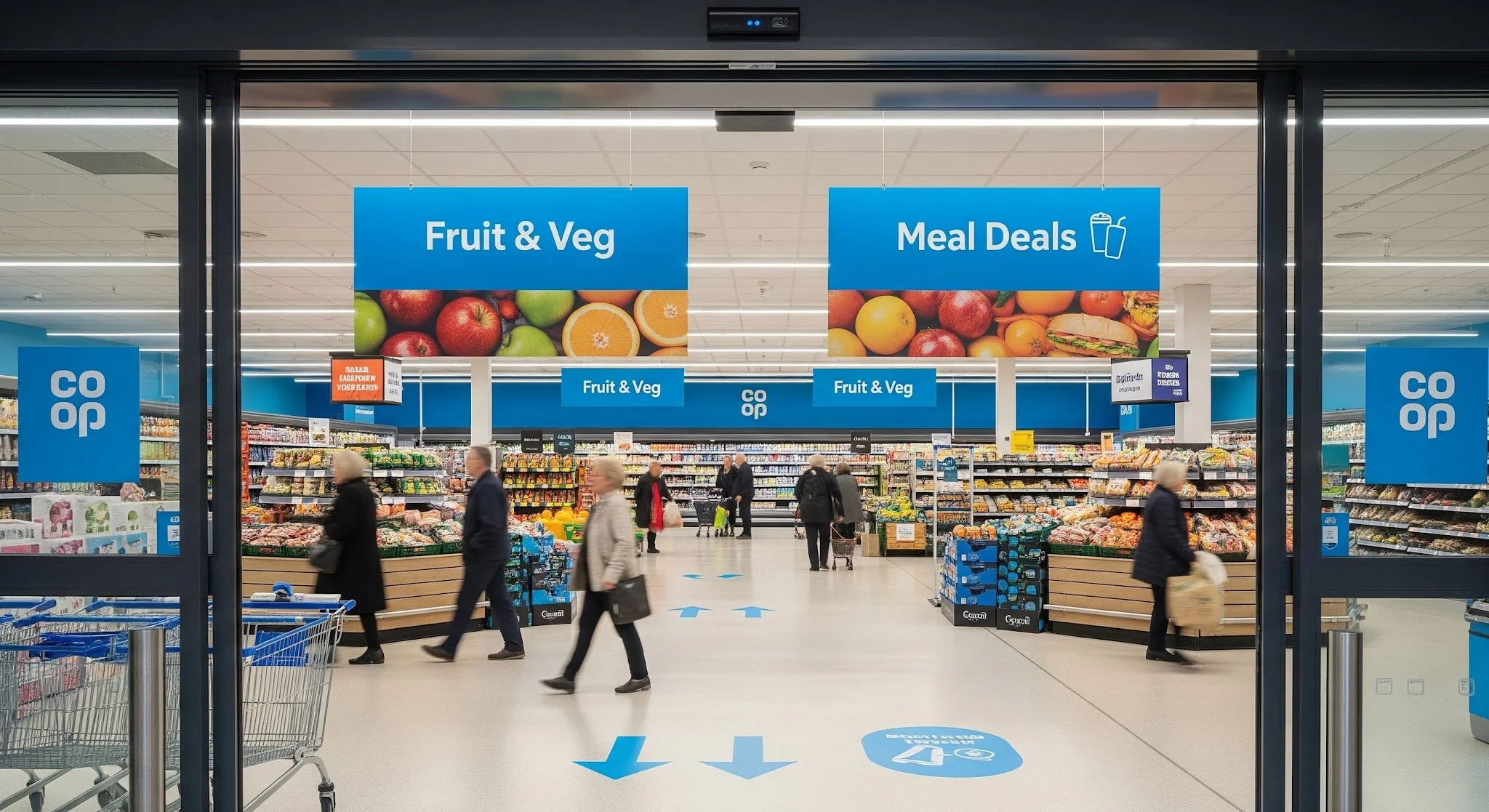
Header image created in AI for visualisation purposes
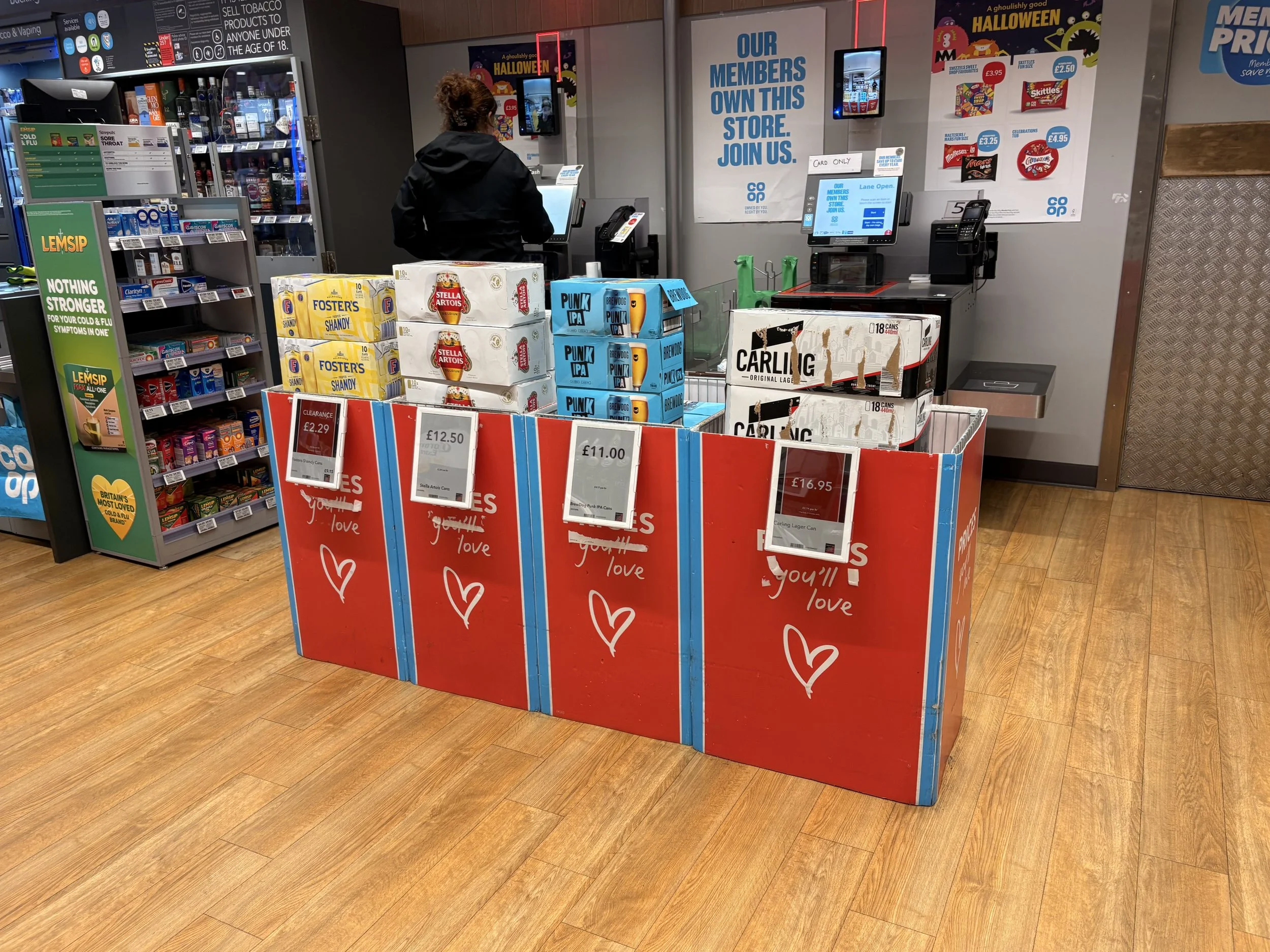
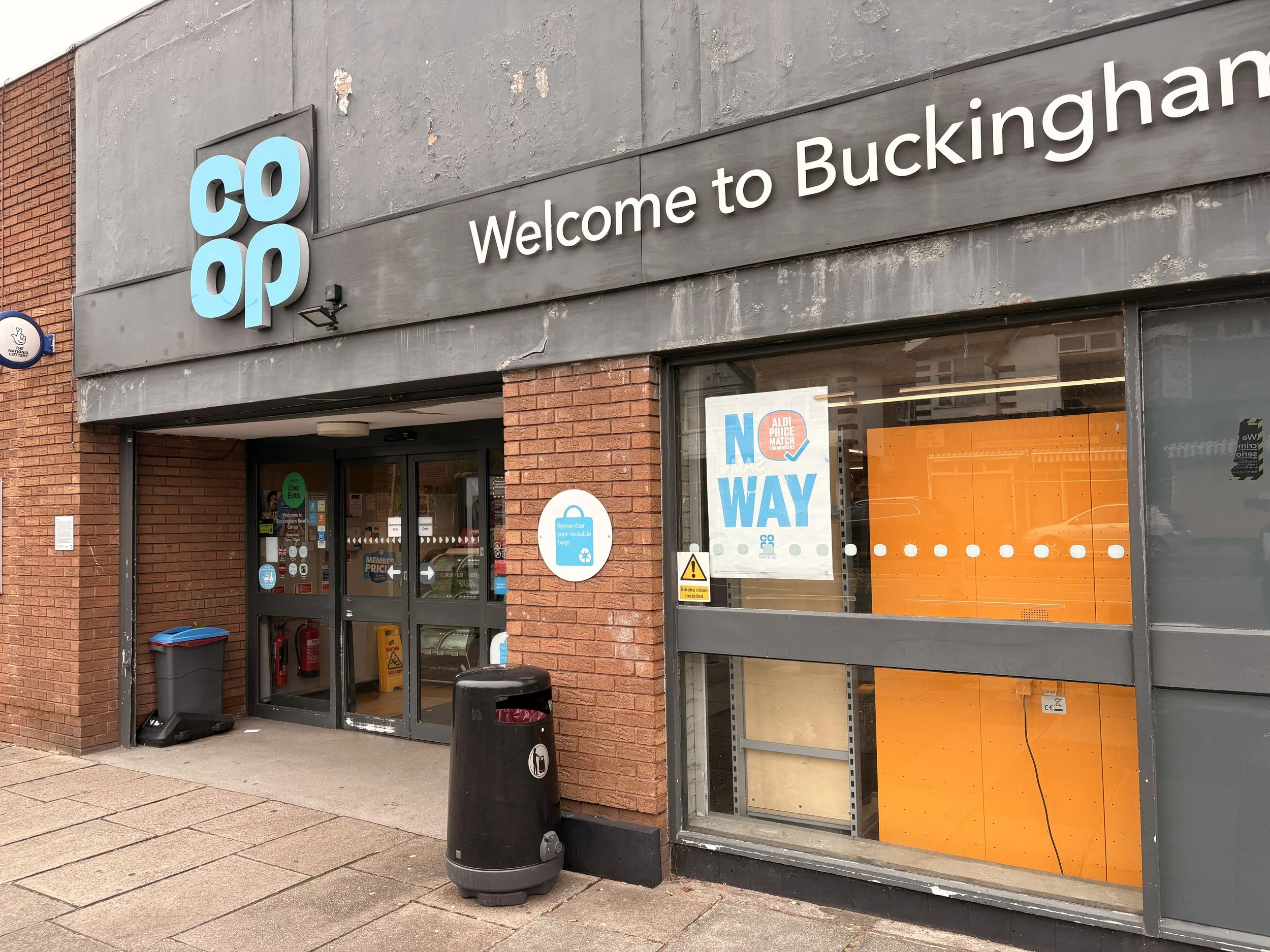
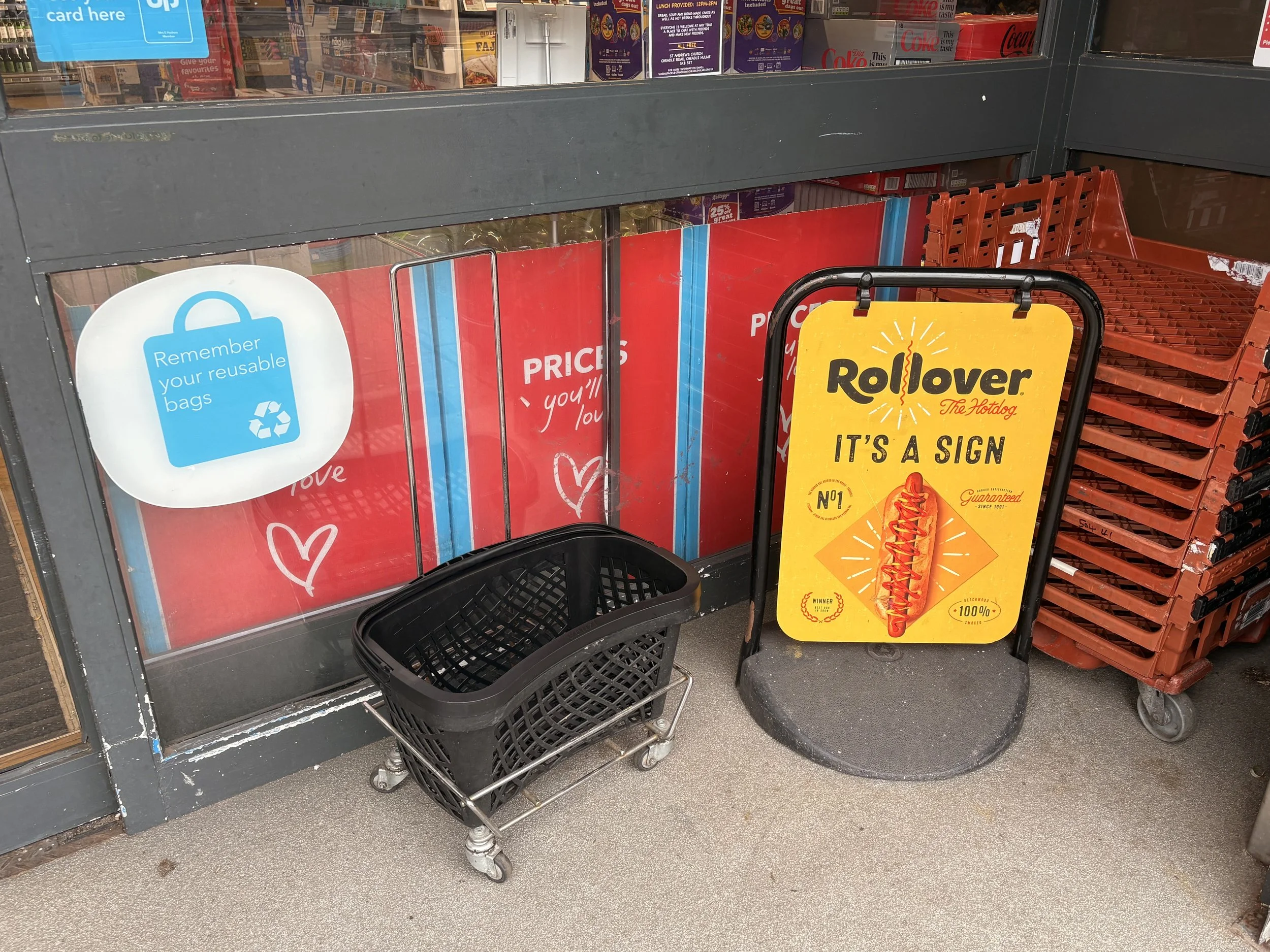
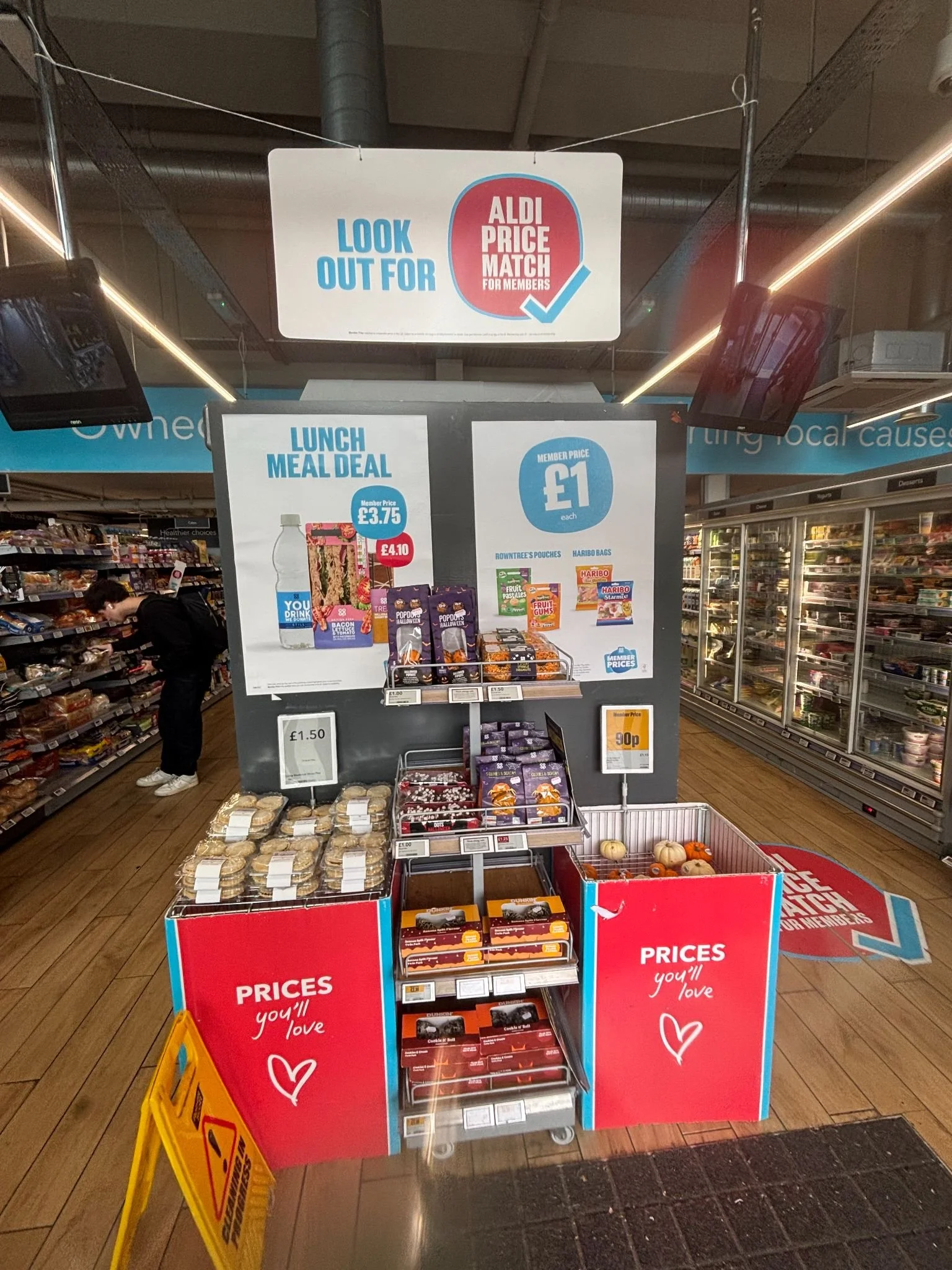
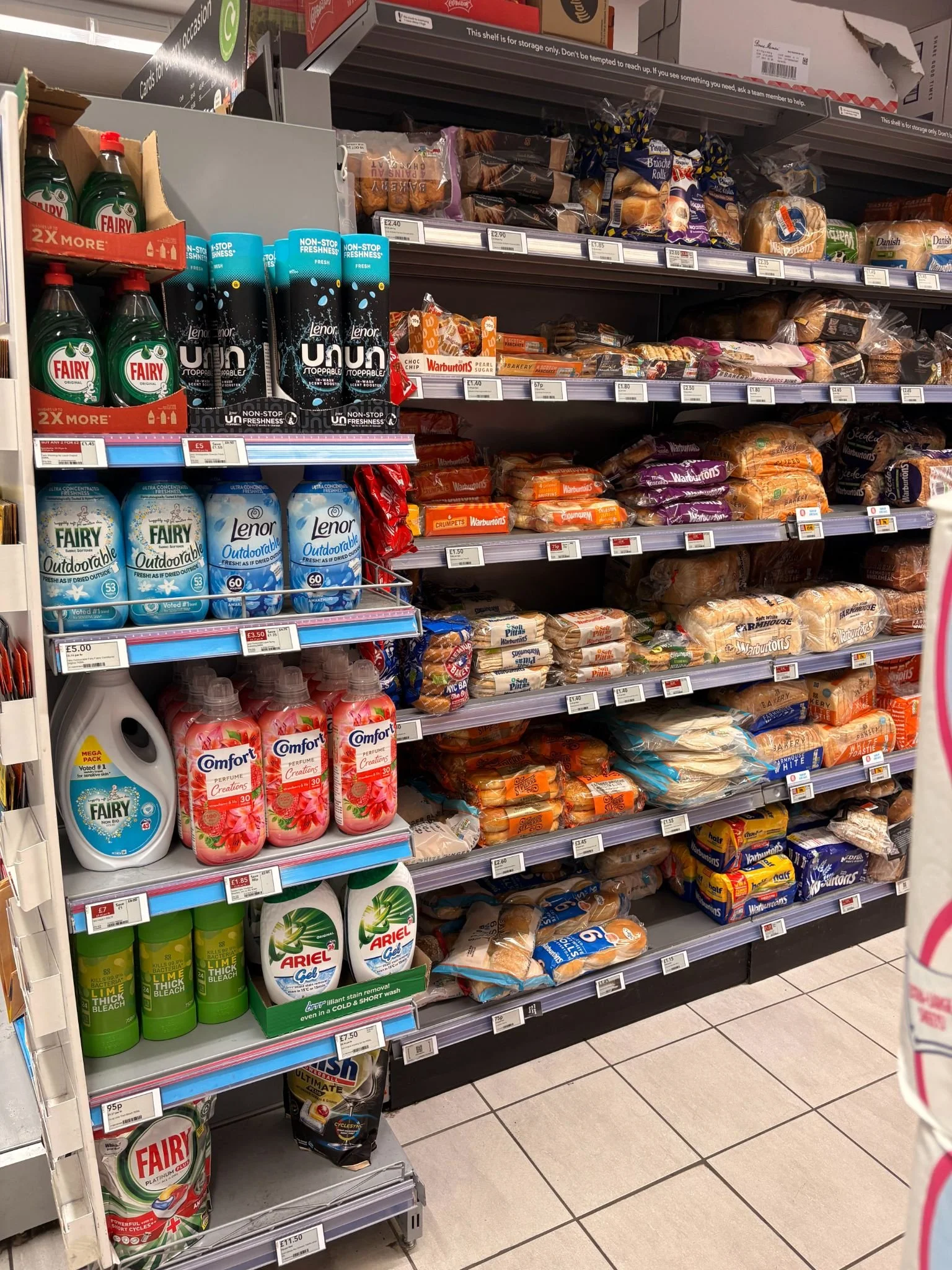
The touchpoints of the behavioural audit
To identify growth opportunities, we audited stores across as several critical dimensions where behaviour is shaped. Examples of those dimensions include, amongst others:
DIMENSIONFOCUS AREAThe impact of fascias and car parks on shopper mindset before entry.
Outside
How pricing architecture influences the perception of value.
Price/Promo
How the choice of shopping receptacle dictates the volume of spend.
Baskets/Trolley
Using lighting, sound and feel to shift shoppers out of mission mode.
Ambience

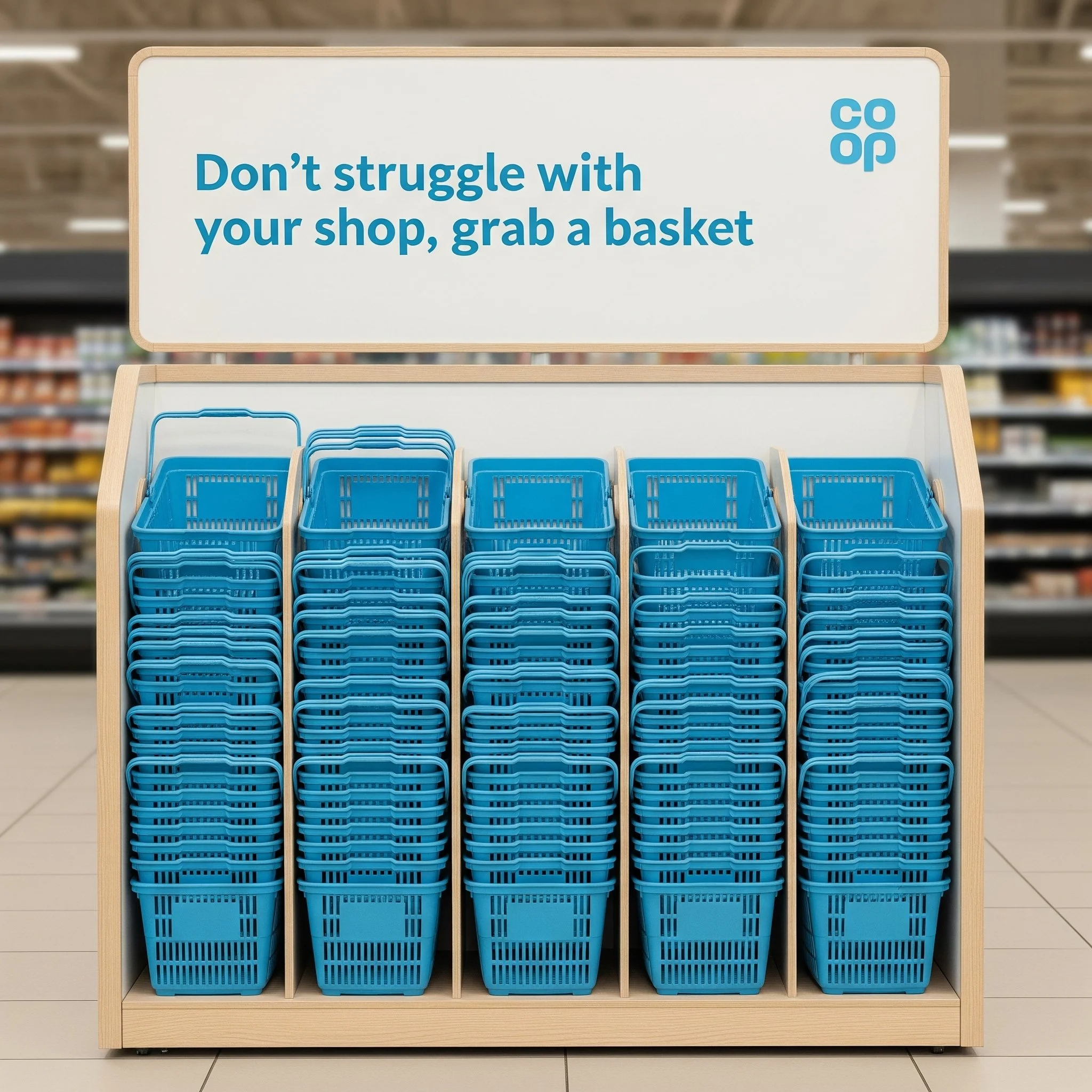
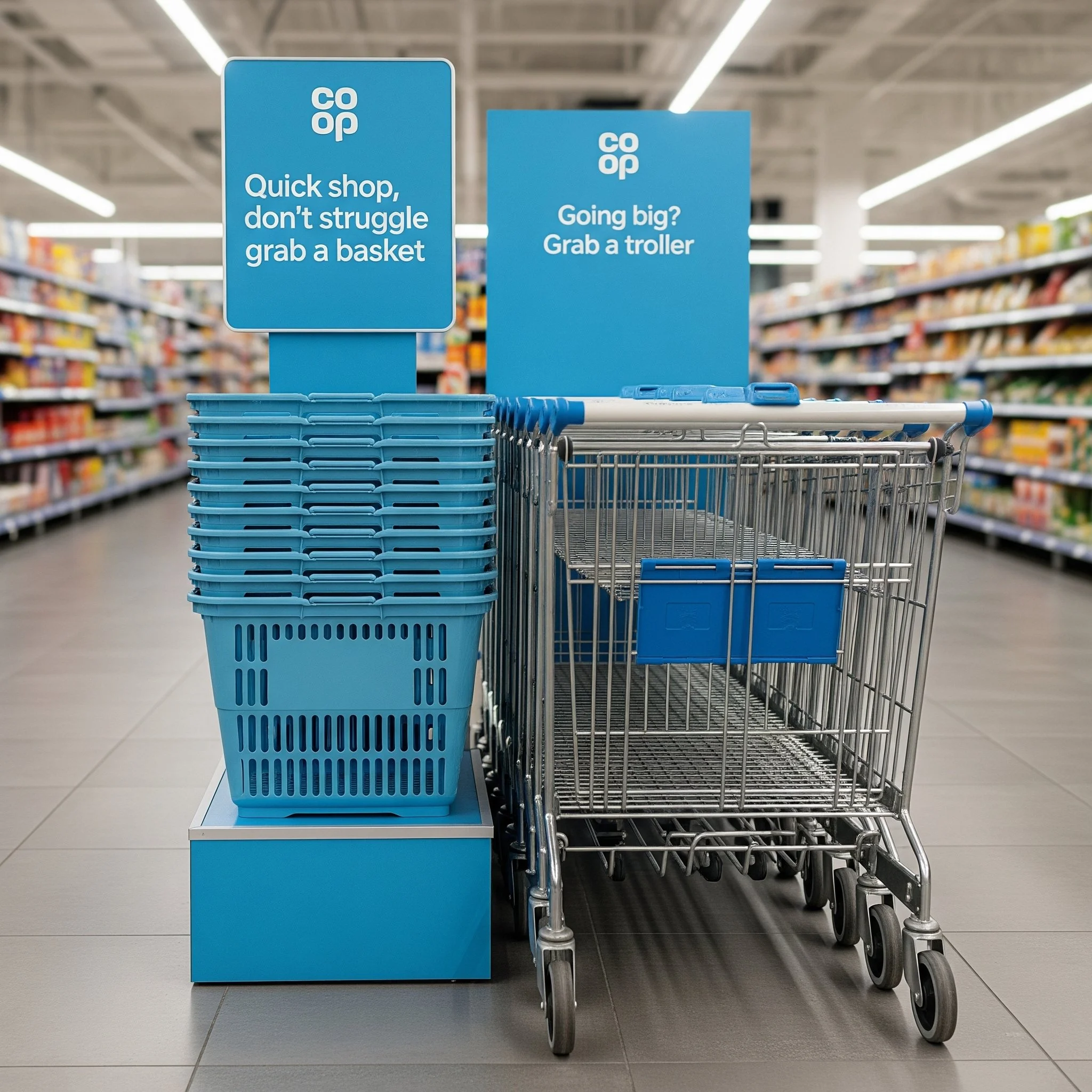
Images created in AI for visualisation purposes.
WHAT WE DELIVEREDOur work with Co-op went beyond a simple audit. We provided a complete ecosystem of tools designed to turn behavioural insights into commercial action across their entire estate.
1. The Behavioural Audit Report
A comprehensive 360-degree evaluation of the Co-op store experience. We identified the points of friction where shoppers were switching to autopilot and the points of intent where they were most open to an incremental purchase or to explore more of the range.
2. Actionable guidance
A highly visual, actionable guide for Co-op’s internal teams. It translates complex behavioural science into a series of changes and updates that could be made - from tactics for store layouts, to messaging hierarchy, and merchandising that can be rolled out across the store estate.
3. A suite of behaviourally informed interventions
We designed a library of specific interventions - or nudges - tailored to Co-op's unique challenges, these included:
Priming: Interventions focused on influencing the initial mental state of the shopper to set a positive expectation for the overall shopping experience.
Friction Bias: Strategies aimed to streamline the early stages of the journey by removing physical or cognitive obstacles that might discourage browsing the range or engagement with the product.
Choice Overload: Nudges designed to simplify the decision environment, ensuring messaging and product presentation reduces cognitive effort and makes buying and exploring easier.
Status Quo Bias: Interventions used to strategically break shopper autopilot, encouraging them to deviate from their routine and explore and experience other areas of the store.
Effort Heuristic: Presenting the retail environment in a way that suggests high effort and care has been taken, which in turn assigns greater perceived value to the store and its offerings.
4. Creative Concepts
To bring all the recommendations to life, we demonstrated some of the ideas using design concepts created by AI. This brought the thinking to life and allowed the Co-op team to share visual solutions within the business.
Intervention spotlight
The role of the basket
One of the most compelling insights from our audit centered on the physical and psychological ceiling of the shopper's mission.
The Observation:
Across several stores, we observed mission shoppers (e.g. those coming in just for tea/dinner ingredients) intentionally avoiding baskets or trolleys. By carrying items by hand, they were subconsciously using physical discomfort as a commitment device to ensure they didn't buy more than they planned. Once their hands were full, their openness to discovery dropped to zero.
The Behavioural Nudge:
We identified that an incremental purchase moment often dies the minute a shopper’s hands are full. By strategically repositioning basket top-up points deeper within the store - specifically near high-impulse zones - we could reset the shopper's physical capacity.
This simple shift in placement and prominence of the baskets removed the physical friction to adding that extra item, effectively extending the mission and increasing the average basket size without requiring a single price promotion.
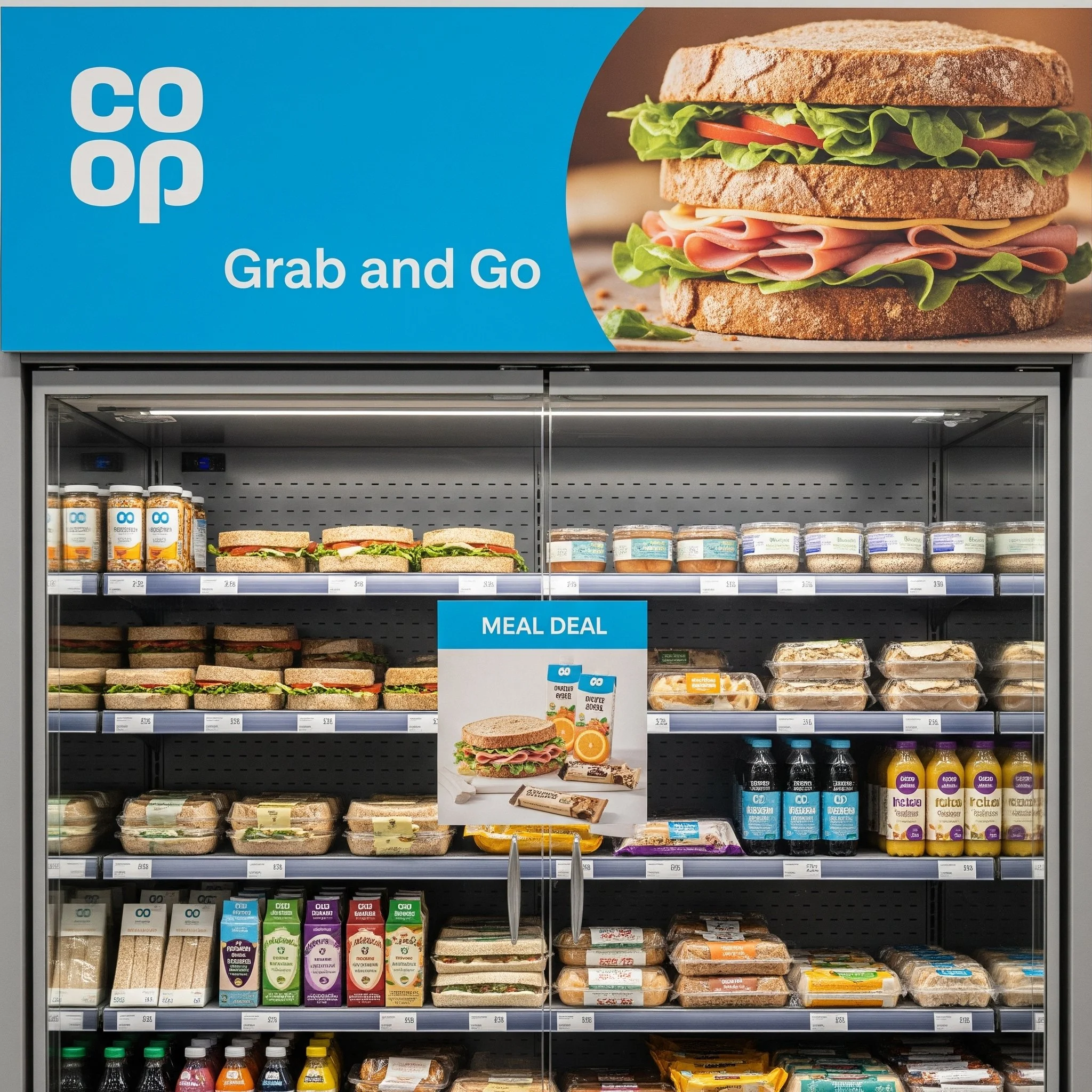
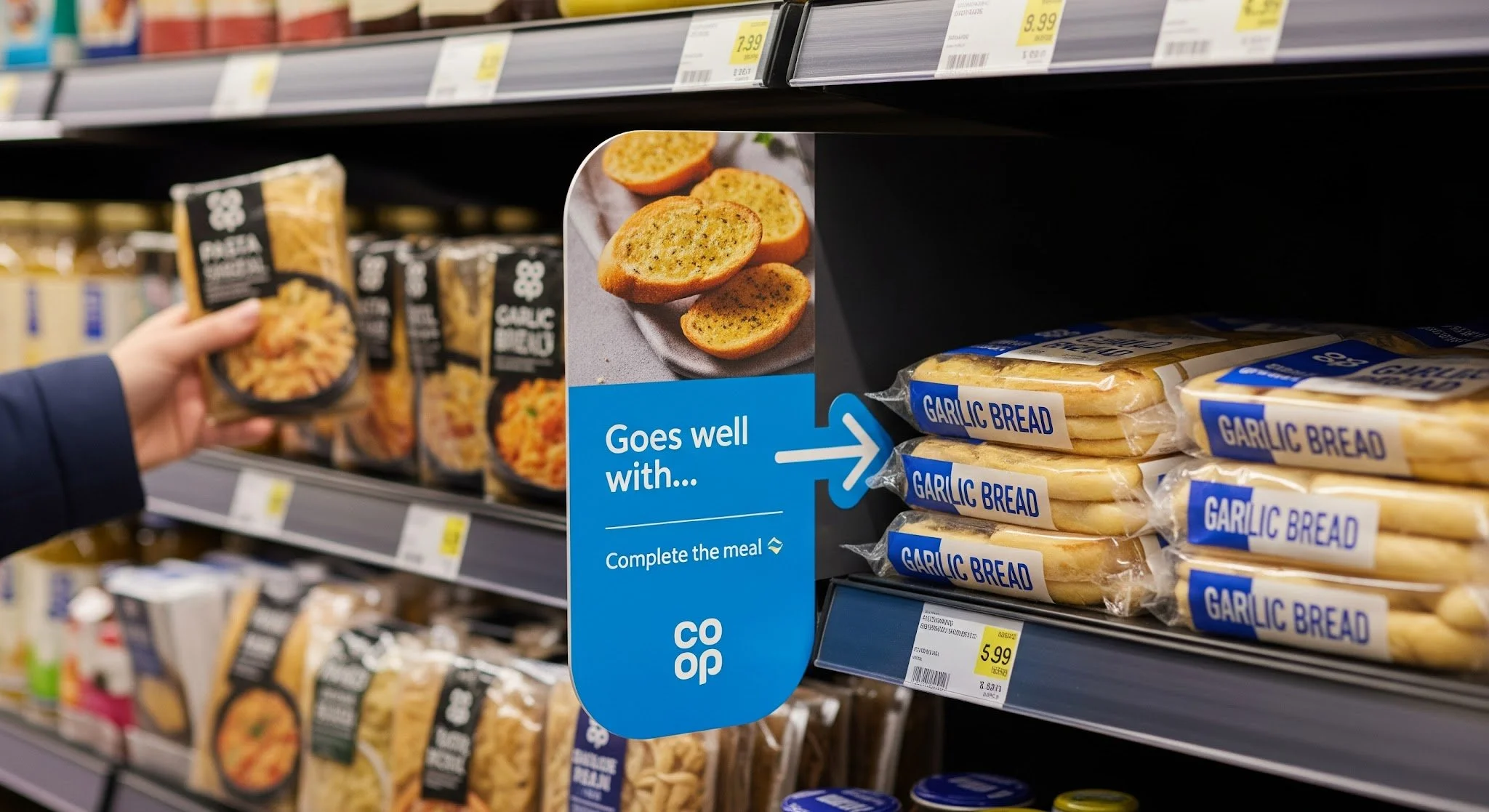
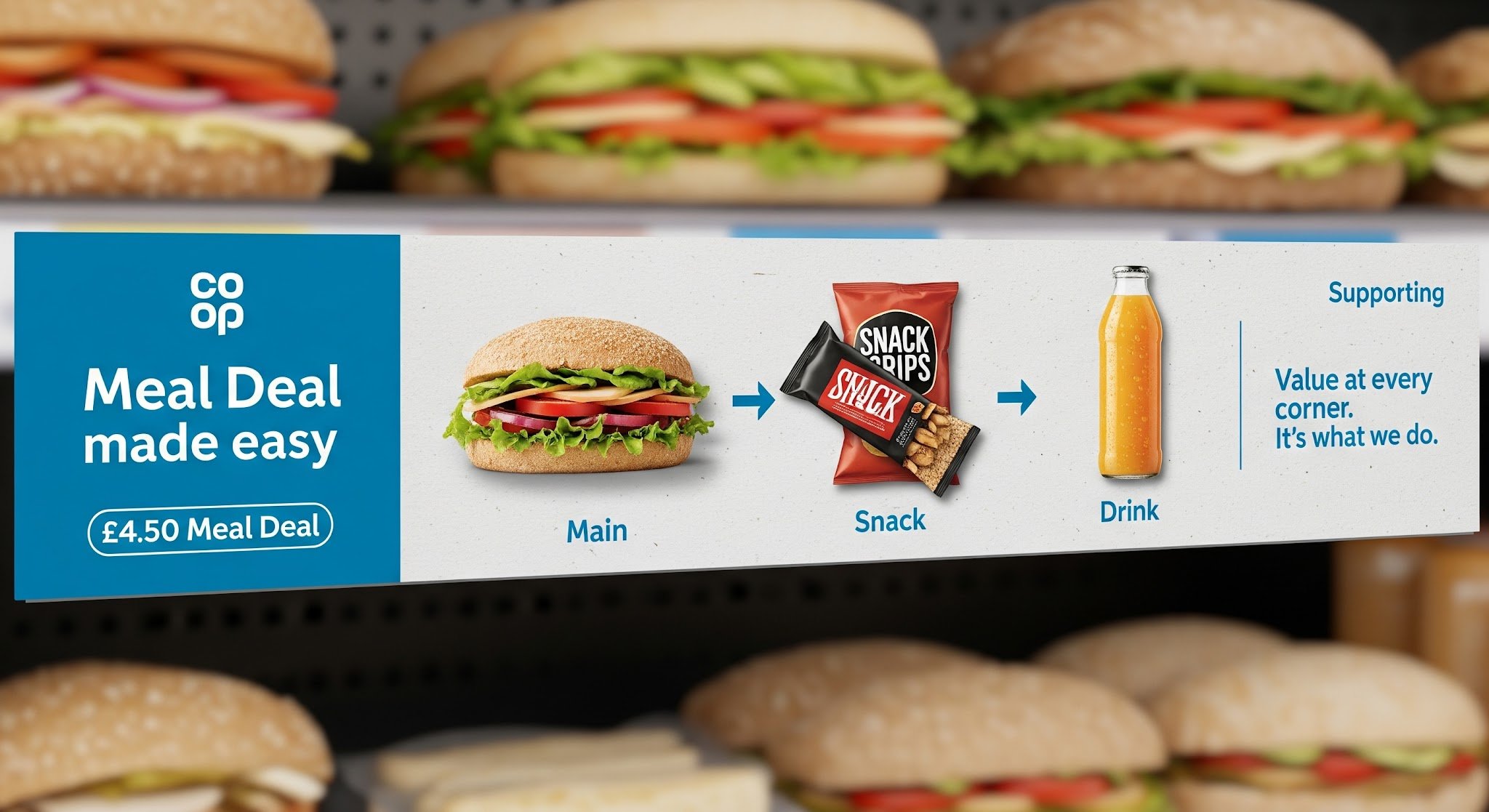
Images created in AI for visualisation purposes.
THE RESULTThe program provided Co-op with much more than a report; it delivered a strategic catalyst for change across the business. By grounding creative retail solutions in hard behavioural science, we delivered value in three key areas:
1. Strategic alignment and internal buy-in
The audit acted as a unified lens for the business. By demonstrating the why behind shopper behaviour across 12 distinct touchpoints, we helped bridge the gap between Marketing, Operations, and Category teams.
2. A data-backed business case for investment
We moved the conversation from subjective store improvements to objective behavioural interventions.
By identifying the specific leaky buckets in the shopper journey, we provided Co-op’s leadership with a clear, evidence-based business case for potential estate-wide changes.
This significantly de-risked future capital expenditure by ensuring every pound spent was targeted at a proven behavioural trigger.
3. Unlocking potential commercial returns
While Co-op moved into the implementation phase, our audit identified immediate low-hanging fruit opportunities for incremental growth.
Increased basket frequency: By identifying where mission-only shoppers were switching off, we mapped out the path to a high-probability incremental purchase in every visit.
Margin optimisation: The program focused on nudging shoppers toward discovery items - often higher-margin treats or local products that are frequently overlooked by mission-focused customers.
Scalable efficiency: The delivery of a repeatable framework meant Co-op didn't have to reinvent the wheel for every store format. Our behavioural audit toolkit is designed to deliver compounding return on investment as it is rolled out across the new and existing sites.

“Alongside a wealth of existing attitudinal and behavioural shopper insights, we wanted to understand the impact that subconscious nudges in our store environment were having on shoppers.
The Behaviours Agency's approach is unique, in that it uses behavioural science to audit and suggest improvements to the entire store. It’s a unique approach that we couldn’t get from anyone else.”
Matt Walker - Trading Insight Manager at Co-op
Is your retail environment working hard enough?
If you want to increase basket size by influencing the hidden decisions your customers make every day, let’s talk about how our Behavioural Retail Audit program can work for your brand.