

Beating the ‘Tedium Tax’: Why are Home & Garden brands top of System1’s Dullest Category list?
If you’ve recently found yourself scrolling past yet another glossy kitchen showroom or a perfectly staged patio without a second thought, you aren't just ‘not in the market.’ You are witnessing a phenomenon that System1 have recently highlighted in their tease for the upcoming follow-up to their 2023 whitepaper - The Extraordinary Cost of Dull.
System1 has identified the Home & Garden sector as one of the dullest categories in advertising today. In a nation obsessed with DIY and ‘property porn,’ how did the advertising become so bland?
The answer lies in a combination of what System1 calls the Tedium Tax and what we at The Behaviours Agency like to call The Motivation Gap.

The price of being boring
In their 2023 report, System1, alongside Peter Field and Adam Morgan, proved that ‘Dull’ isn't just a creative failure, it’s a financial one. When an ad is ‘neutral’ (meaning it triggers no emotional response whatsoever), it requires significantly more media spend to achieve the same market share growth as an emotionally resonant ad.
In the Home & Garden sector, neutrality is the default setting. Brands are currently paying a heavy ‘Tedium Tax’ by producing ads that function as mere category wallpaper. These ads are easily ignored, meaning the money spent to put them in front of you is essentially being subsidised by the brand’s own inefficiency.
So why is Home & Garden advertising so DULL?
According to the System1 research, the sector suffers from a penchant for the bland. Brands are leaning heavily into rational salesmanship focusing on price, product specs, and functional ‘how-to’ guides, while ignoring emotional showmanship.
But there is a deeper reason for this dullness, uncovered in our report - The Motivation Gap - Unlocking the £30bn Home Improvement Market. The sector is currently trapped in a ‘Sea of Sameness’ because it is solving the wrong problem.
The Motivation Gap: Selling the What instead of the Why
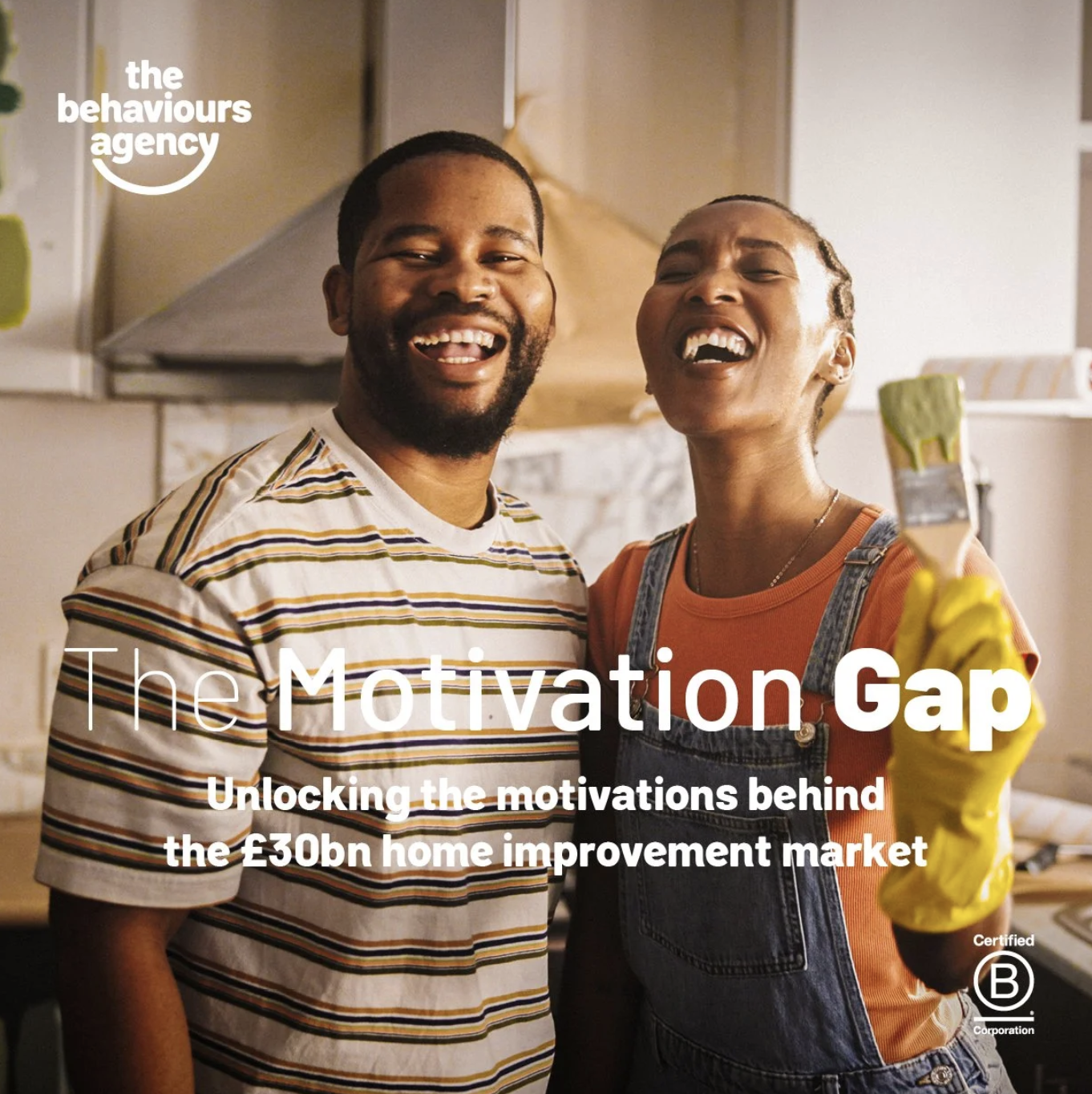
Our research into the £30bn home improvement market shows a massive disconnect between brand messaging and consumer reality. We call this The Motivation Gap.
For decades, the category has leaned into House Pride - rooted in the consumer motivation of pride, and reflected in representations of the ‘perfect home’. Advertising typically shows a pristine, untouched home designed to impress guests or add value to a property. However, our study of 1,000 UK consumers found that:
Only 10% of people improve their homes to impress others or be ‘the best on the street.’ Whereas;
54% of people improve their homes for House Pleasure—simply to make their space a more enjoyable place to live
When brands focus on House Pride (status), they lean into the ‘What’ - the product or offer and create rational, sterile ads that fall into the dull trap. When they ignore House Pleasure (the feeling), they lose the emotional hook required to build long-term brand fame.
Motivation is not a one size fits all solution
Avoiding being dull is not about being wacky for the sake of it, it’s about subverting the category’s obsession with the ‘after’ photo and leaning into the ‘during’. And that doesn’t mean the same for all audiences (and this is where we come in). It requires a nuanced understanding of specific market segments. A first-time buyer might be motivated by ‘Belonging’ and the desire to finally make a space feel like theirs, whereas an empty-nester might be driven by ‘Expression’ and the freedom to finally choose style over durability - with many differing motivations in-between, each requiring a completely different creative treatment.
By mapping System1’s drive for ‘showmanship, against the specific drivers in our Motivation Report, brands can create advertising that feels daring and distinctive because it is deeply, authentically relevant to the person watching it.
How to Beat the Tedium Tax
To stop being ticking the ‘dull’ box, and start being the most effective, Home & Garden brands need to pivot.
Shift from Status to Sanctuary: Move away from the ‘look at me’ showroom aesthetic. Show the home as a place for connection, comfort, and enjoyment
Trade on Emotion, not just Fluency: Don't just show the new floor, show the joy of the family dog running across it or the quiet morning coffee
Bridge the Gap: Stop shouting about ‘interest-free credit’, and start talking about the human drivers. Why does this person want to change their space? What emotional deficit are they trying to fix?
Only by reflecting your consumer’s motivations, genuinely and authentically, will you be able to swerve being dull.
The Bottom Line: Being ‘safe’ is the riskiest move a Home & Garden brand can make. As System1 proves, if your ad doesn't make them feel, it won't make them buy. It’s time to close the Motivation Gap and stop paying the Extraordinary Cost of Dull.
